

Trip Info
-
Bus, Airlines
-
3 Star Hotel
-
Kathmandu
-
Feb-May
-
Eco-tour
-
All meal during trek
-
English, Spanish, Chinese
-
Easy to moderate
-
2-15
-
15
-
65
The Rolwaling Valley Trek is one of Nepal’s most remote and underrated trekking experiences, offering a raw and immersive journey through a hidden Himalayan valley that lies between the Everest and Langtang regions. Known for its dramatic landscapes, rich Sherpa culture, and low trekking traffic, Rolwaling remains largely untouched by mass tourism. This trek is ideal for those seeking solitude, adventure, and a deeper connection with both nature and local traditions.
The journey begins with a long but scenic drive from Kathmandu to Chetchet or Simigaun, the starting point of the trek. As you leave the city behind, the road winds through terraced hills, river valleys, and small rural settlements, gradually revealing the rugged terrain that defines this region. Simigaun, perched on a hillside, serves as the gateway to Rolwaling Valley. From here, the trail drops down to the Rolwaling River before beginning a steady ascent into the valley.
The early days of the trek take you through dense forests of rhododendron, pine, and bamboo. The trail is narrow and at times challenging, with steep sections, stone steps, and suspension bridges crossing fast-flowing rivers. Unlike the more developed trekking routes of Nepal, the Rolwaling trail feels wild and less structured. Teahouses are fewer and more basic, and in some sections, camping may be required. This adds to the sense of adventure and remoteness that defines the trek.
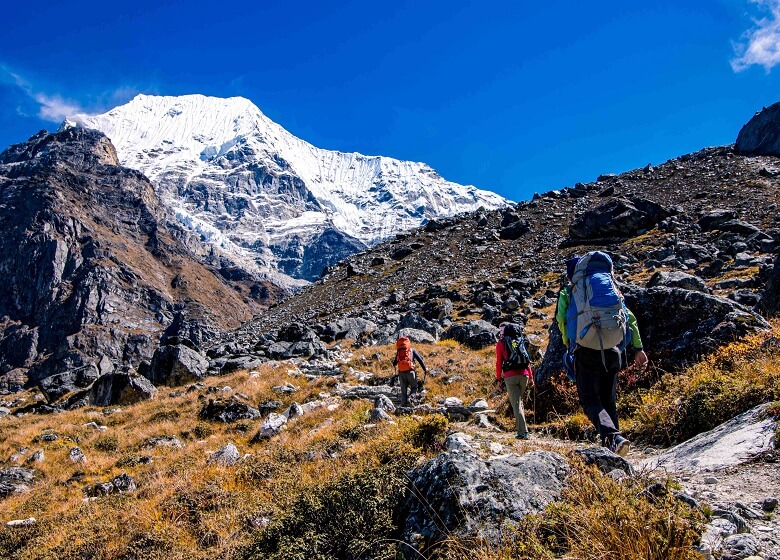
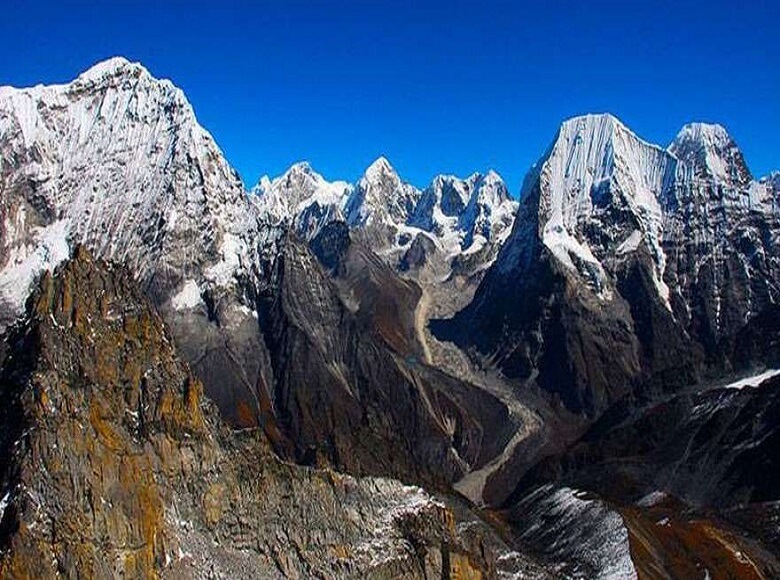
As you move deeper into the valley, the landscape begins to open up. The towering peaks of the Rolwaling range start to dominate the skyline, including the impressive Gaurishankar (7,134 m), a sacred mountain that holds religious significance for both Hindus and Buddhists. The valley itself feels secluded, enclosed by high ridges and snow-covered summits, creating a sense of isolation that is both peaceful and powerful.
Villages along the route, such as Dongang, Beding, and Na, offer a glimpse into the traditional lifestyle of the local Sherpa community. Beding, the main settlement in the valley, is a particularly important stop. Surrounded by dramatic peaks and glaciers, it is home to a monastery and a small but resilient community. Life here is shaped by the harsh mountain environment, and interactions with locals often feel genuine and unfiltered. Spending time in Beding allows trekkers to rest, acclimatize, and learn more about the culture and history of the region.
Beyond Beding, the trail becomes more alpine and rugged. The vegetation thins out, replaced by rocky terrain, glacial moraine, and high-altitude pastures. The air grows thinner, and the pace slows as you approach higher elevations. The trek to Na village is shorter but important for acclimatization. From here, side hikes to nearby viewpoints help prepare for the higher altitudes ahead.
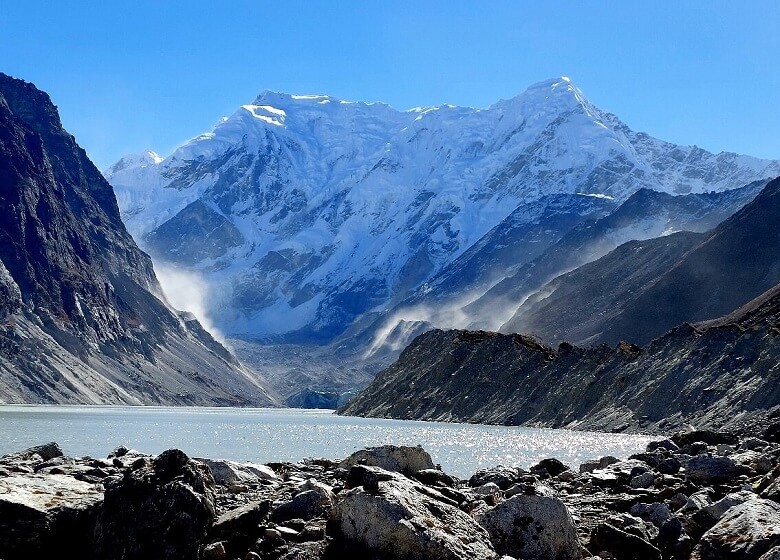
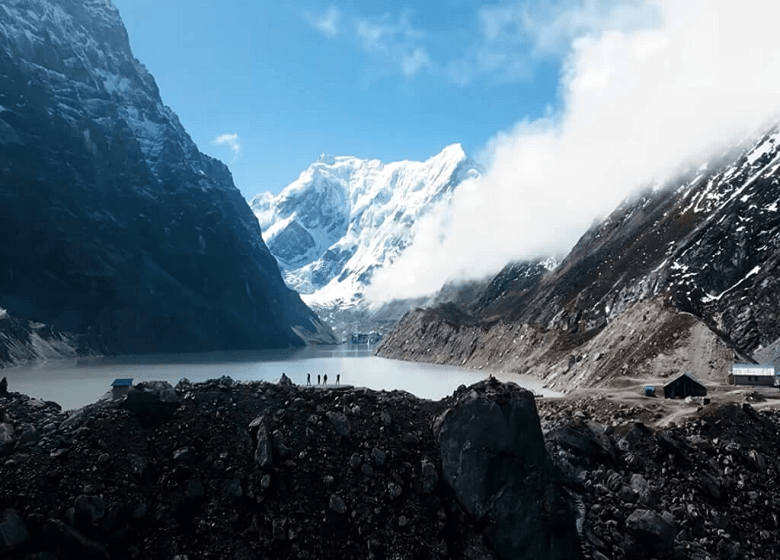
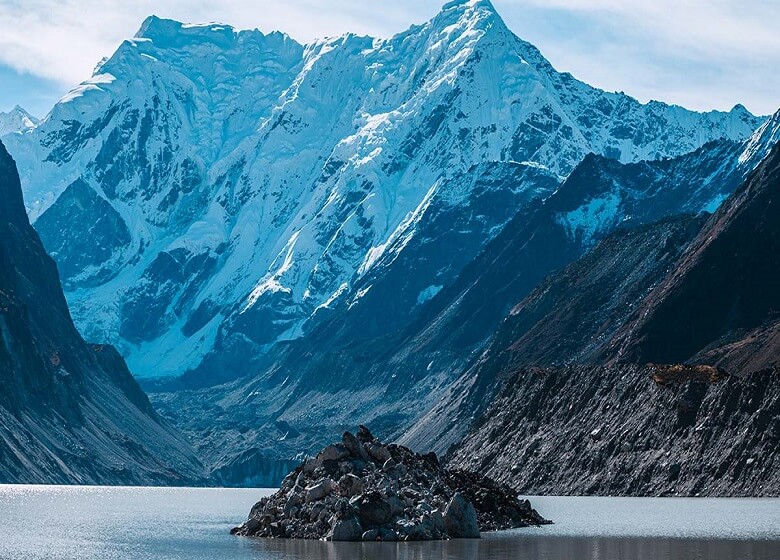
One of the major highlights of the Rolwaling Valley Trek is Tsho Rolpa Lake, one of Nepal’s largest glacial lakes, situated at around 4,580 meters. The lake’s turquoise waters, set against a backdrop of glaciers and snow-covered peaks, create a striking and somewhat surreal landscape. The scale of the surrounding terrain is immense, and the silence of the area adds to its impact. Tsho Rolpa is not only a visual highlight but also a reminder of the powerful natural forces that shape the Himalayas.
For those seeking a more challenging adventure, the trek can be extended to cross the Tashi Lapcha Pass (5,755 m), which connects Rolwaling Valley to the Everest region. This section is technically demanding and often requires mountaineering equipment and experience, including the use of ropes and crampons. Crossing the pass is a significant achievement, offering breathtaking views and a true sense of expedition-style trekking. However, even without crossing the pass, the Rolwaling Valley Trek stands on its own as a rewarding journey.
The natural beauty of the region is complemented by its biodiversity. The lower sections of the trek pass through forests that are home to wildlife such as red pandas, Himalayan black bears, and various bird species. As you ascend, the environment becomes more austere, but the stark beauty of the high-altitude landscape has its own appeal.
Culturally, the trek is deeply rooted in Tibetan Buddhist traditions. Prayer flags flutter along the trails, mani walls and chortens mark important points, and monasteries serve as spiritual centers for the community. The influence of Tibetan culture is strong, reflecting the valley’s proximity to the Tibetan border. Festivals, rituals, and daily practices all contribute to a rich cultural experience that feels authentic and preserved.
In terms of difficulty, the Rolwaling Valley Trek is considered challenging. The remoteness of the region, combined with limited infrastructure, means that trekkers need to be well-prepared and adaptable. The trails can be rough, and weather conditions can change quickly. A good level of fitness, previous trekking experience, and proper planning are essential. Hiring an experienced guide is highly recommended, not only for navigation but also for safety and cultural insight.
The best time to undertake the trek is during the spring and autumn seasons. These periods offer more stable weather and clearer views of the mountains. Spring brings blooming rhododendrons in the lower regions, while autumn provides crisp air and excellent visibility. Winter treks are possible but can be extremely cold, and heavy snowfall may block higher routes. The monsoon season is generally avoided due to rain, landslides, and poor trail conditions.
Accommodation along the route varies from basic teahouses to camping setups, depending on the section. Facilities are simple, and comforts are limited, but this is part of what makes the experience unique. The sense of remoteness and the opportunity to disconnect from modern life are central to the appeal of the Rolwaling Valley Trek.
Ultimately, this trek is about stepping off the beaten path and experiencing the Himalayas in a more raw and authentic way. It offers a rare combination of dramatic landscapes, cultural depth, and solitude that is increasingly hard to find in more popular trekking regions. Whether you are drawn by the challenge, the scenery, or the desire for a quieter adventure, the Rolwaling Valley Trek delivers an experience that is both demanding and deeply rewarding.
Trip Highlights
- Remote and off-the-beaten-path experience
- Stunning views of Mt. Gaurishankar (7,134 m)
- Tsho Rolpa Lake (4,580 m)
- Authentic Sherpa culture
- Beding village stay
- Optional Tashi Lapcha Pass (5,755 m)
- Raw and rugged landscapes
- Rich biodiversity
- Spiritual Himalayan atmosphere
- True adventure trekking experience


