
The Annapurna Circuit is not just a trek. It is a journey through changing landscapes, cultures, and altitudes that few other routes in the world can match. For decades, it has drawn trekkers from across the globe who want to experience the raw beauty of Nepal and challenge themselves on one of the most iconic trekking routes ever created.
UB Treks brings you this complete guide to help you prepare, plan, and make the most of your Annapurna Circuit adventure.
Why Choose the Annapurna Circuit?
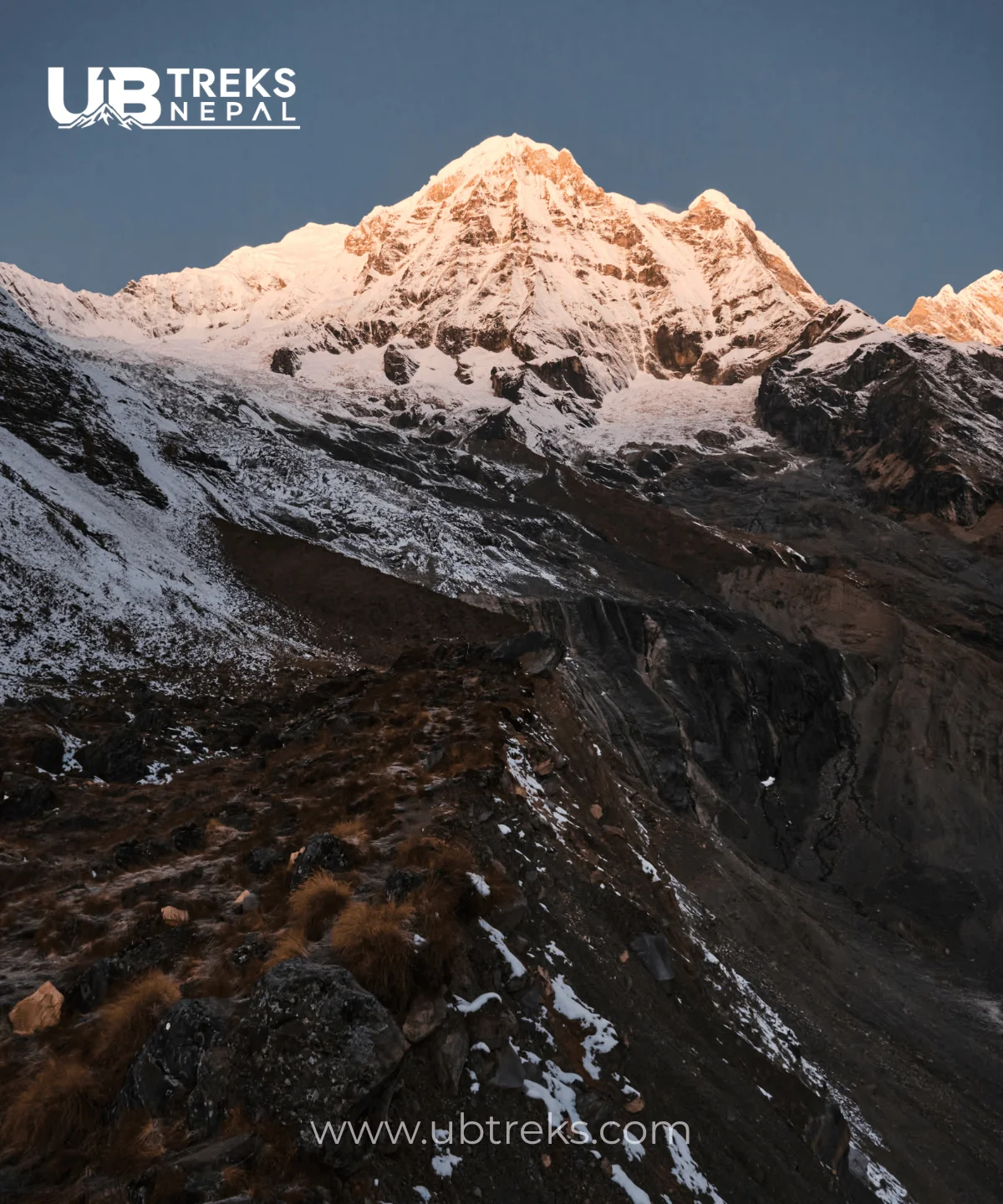
The Annapurna Circuit stands out because of its diversity. Within a span of two to three weeks, you move from lush subtropical forests to alpine meadows and finally into high-altitude desert terrain. The trek circles the Annapurna Massif and offers breathtaking views of peaks like Annapurna I, Dhaulagiri, Machapuchare, and Manaslu.
Another highlight is the Thorong La Pass, which sits at an altitude of 5,416 meters. Crossing this pass is a major achievement and often the most memorable part of the trek.
Annapurna Circuit Trek Overview
- Duration: 12 to 18 days
- Maximum Altitude: 5,416 meters (Thorong La Pass)
- Difficulty Level: Moderate to Challenging
- Best Seasons: Spring (March to May) and Autumn (September to November)
- Starting Point: Besisahar or Chame
- Ending Point: Jomsom or Pokhara
Best Time to Trek the Annapurna Circuit
Timing plays a huge role in your trekking experience. The two best seasons are spring and autumn.
Spring (March to May)
Spring brings blooming rhododendrons, clear skies, and moderate temperatures. It is ideal for photographers and nature lovers.
Autumn (September to November)
Autumn is considered the best season due to stable weather and excellent mountain visibility. The trails are lively with trekkers from all over the world.
Winter and Monsoon
Winter can be harsh with heavy snowfall, especially around Thorong La Pass. The monsoon season brings rain, landslides, and poor visibility, making it less ideal for trekking.
Detailed Itinerary for Annapurna Circuit Trek
Here is a standard 14-day itinerary followed by most trekkers:
Day 1: Drive from Kathmandu to Besisahar
Day 2: Trek to Chame
Day 3: Trek to Pisang
Day 4: Trek to Manang
Day 5: Acclimatization Day in Manang
Day 6: Trek to Yak Kharka
Day 7: Trek to Thorong Phedi
Day 8: Cross Thorong La Pass and descend to Muktinath
Day 9: Drive to Jomsom
Day 10: Fly or drive to Pokhara
This itinerary can be adjusted depending on your pace and acclimatization needs.
Difficulty Level and Fitness Requirements
The Annapurna Circuit is considered a moderate to challenging trek. While it does not require technical climbing skills, it demands good physical fitness and mental endurance.
Trekkers should be comfortable walking 6 to 8 hours a day on uneven terrain. Cardiovascular fitness, strength training, and some prior trekking experience are highly recommended.
Acclimatization and Altitude Sickness
Altitude sickness is one of the biggest concerns on this trek. Proper acclimatization is essential to ensure safety.
- Take rest days, especially in Manang
- Stay hydrated
- Avoid alcohol at higher altitudes
- Ascend gradually
If symptoms like headache, nausea, or dizziness appear, descend immediately.
Permits Required for Annapurna Circuit
To trek the Annapurna Circuit, you need:
- Annapurna Conservation Area Permit (ACAP)
- Trekkers’ Information Management System (TIMS) card
UB Treks can assist you in obtaining all necessary permits and documentation.
Accommodation and Food
The Annapurna Circuit is a tea house trek, meaning you will stay in local lodges along the route.
Accommodation
Rooms are basic but comfortable, usually with twin beds and shared bathrooms. As you go higher, facilities become simpler.
Food
You will find a wide variety of meals including:
- Dal Bhat (traditional Nepali meal)
- Noodles and soups
- Pasta and pancakes
Dal Bhat is highly recommended as it is nutritious and often comes with unlimited servings.
Packing List for Annapurna Circuit Trek
Packing the right gear is crucial for a successful trek.
Essential Items
- Trekking boots
- Warm clothing (layers)
- Down jacket
- Sleeping bag
- Trekking poles
- Water bottles and purification tablets
- First aid kit
Optional Items
- Camera
- Power bank
- Snacks and energy bars
UB Treks provides detailed packing guidance to ensure you are fully prepared.
Cultural Experience on the Annapurna Circuit
One of the most enriching aspects of the trek is the cultural diversity. You will pass through villages inhabited by Gurung, Thakali, and Manangi communities.
You can visit monasteries, prayer wheels, and ancient temples, especially in Manang and Muktinath. Respect local customs and traditions during your journey.
Cost of Annapurna Circuit Trek
The cost varies depending on the level of service and duration.
Budget Trek
$700 to $1,000 per person
Guided Trek with UB Treks
$1,200 to $2,000 per person
This usually includes permits, accommodation, meals, guide, porter, and transportation.
Why Trek with UB Treks?
UB Treks is committed to providing safe, enjoyable, and well-organized trekking experiences.
- Experienced local guides
- Personalized itineraries
- Strong focus on safety
- Excellent customer support
With UB Treks, you can focus on enjoying the journey while everything else is taken care of.
Tips for a Successful Annapurna Circuit Trek
- Start slow and maintain a steady pace
- Stay hydrated at all times
- Carry cash as ATMs are not available everywhere
- Respect local culture and environment
- Travel with a reliable trekking company like UB Treks
Conclusion
Trekking the Annapurna Circuit is a once-in-a-lifetime experience that combines adventure, natural beauty, and cultural immersion. From crossing the high Thorong La Pass to exploring traditional Himalayan villages, every step of the journey offers something unique.
With proper preparation and the right guidance from UB Treks, you can turn this challenging trek into an unforgettable achievement.
FAQs
1. How difficult is the Annapurna Circuit Trek?
It is considered moderate to challenging, suitable for trekkers with good fitness levels.
2. Do I need a guide for the Annapurna Circuit?
While it is possible to trek independently, hiring a guide from UB Treks is highly recommended for safety and convenience.
3. What is the highest point of the trek?
Thorong La Pass at 5,416 meters is the highest point.
4. Is altitude sickness common?
Yes, it can occur, but proper acclimatization and precautions can minimize the risk.
5. What kind of food is available during the trek?
You will find local and international dishes like Dal Bhat, noodles, soups, and pasta.
6. Can beginners do the Annapurna Circuit Trek?
Yes, with proper preparation, training, and support from experienced guides.
7. How long does the Annapurna Circuit Trek take?
It typically takes 12 to 18 days depending on the itinerary and pace.
