
The Annapurna Base Camp Trek is one of the most popular trekking experiences in Nepal, attracting adventure seekers from around the world. Known for its breathtaking mountain views, diverse landscapes, and rich cultural experiences, this trek offers an unforgettable journey into the heart of the Himalayas. Whether you’re a seasoned trekker or a beginner looking for your first big adventure, this guide by UB Treks covers everything you need to know before setting out.
Overview of the Annapurna Base Camp Trek
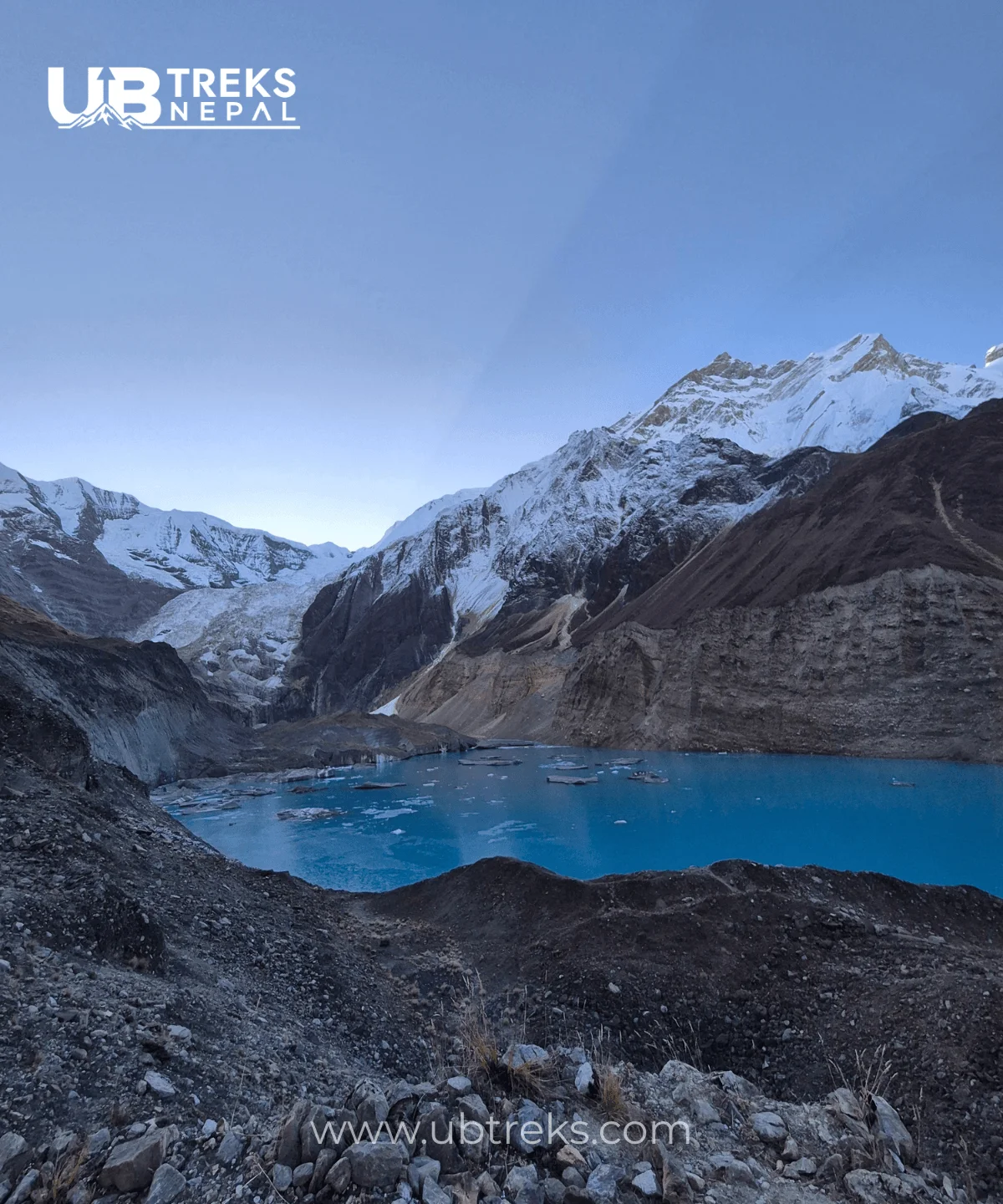
The Annapurna Base Camp (ABC) Trek takes you deep into the Annapurna Sanctuary, surrounded by some of the highest peaks in the world. The trek typically ranges from 7 to 12 days depending on your route and pace. The highlight of the journey is reaching Annapurna Base Camp at an altitude of 4,130 meters, where you are surrounded by towering peaks like Annapurna I, Machapuchare (Fishtail), and Hiunchuli.
This trek is considered moderately difficult, making it accessible to trekkers with a basic level of fitness. The well-established trails, teahouses, and friendly locals make it a comfortable yet adventurous experience.
Why Choose the Annapurna Base Camp Trek?
There are several reasons why the ABC Trek stands out among other Himalayan treks:
- Stunning panoramic views of snow-capped mountains
- Diverse landscapes including forests, rivers, and alpine terrain
- Rich cultural experience with Gurung and Magar communities
- Relatively shorter duration compared to other Himalayan treks
- Well-developed trekking infrastructure
With UB Treks, you also get expert guidance, safety assurance, and a personalized trekking experience.
Best Time to Visit Annapurna Base Camp
Choosing the right season is crucial for a successful trek. The best times to visit are:
Spring (March to May)
Spring offers clear skies, blooming rhododendron forests, and moderate temperatures. This is one of the most popular seasons for trekking.
Autumn (September to November)
Autumn is considered the best time due to stable weather, crystal-clear mountain views, and comfortable trekking conditions.
Winter (December to February)
Winter trekking is possible but can be challenging due to snow and cold temperatures.
Monsoon (June to August)
This season is less ideal due to heavy rainfall, slippery trails, and limited visibility.
Annapurna Base Camp Trek Route
The typical route for the ABC Trek includes:
- Pokhara to Nayapul
- Trek to Tikhedhunga or Ulleri
- Ghorepani and Poon Hill (optional sunrise viewpoint)
- Tadapani
- Chhomrong
- Bamboo and Deurali
- Machapuchare Base Camp (MBC)
- Annapurna Base Camp (ABC)
The return journey usually follows the same route or a slight variation.
Difficulty Level and Fitness Requirements
The Annapurna Base Camp Trek is categorized as a moderate trek. While it does not require technical climbing skills, it does involve long walking hours and steep ascents.
To prepare, you should:
- Engage in regular cardio exercises like walking, jogging, or cycling
- Build stamina through hiking or stair climbing
- Practice breathing exercises for better acclimatization
With proper preparation and support from UB Treks, even beginners can successfully complete the trek.
Accommodation and Food
The trek offers teahouse accommodation, which includes basic rooms and meals. You can expect:
- Simple twin-sharing rooms
- Common dining areas
- Meals like dal bhat, noodles, soups, and tea
UB Treks ensure hygienic and comfortable stays throughout your journey.
Permits Required
To trek to Annapurna Base Camp, you need the following permits:
- Annapurna Conservation Area Permit (ACAP)
- Trekkers’ Information Management System (TIMS) card
These permits are typically arranged by UB Treks as part of your package.
Packing List for the Trek
Packing smart is essential for a comfortable trek. Here are some must-have items:
- Trekking shoes and warm clothing
- Down jacket and thermal layers
- Rain gear
- Backpack and sleeping bag
- First aid kit and personal medications
- Water bottles and purification tablets
Safety Tips for the Trek
Safety should always be your top priority. Keep these tips in mind:
- Acclimatize properly to avoid altitude sickness
- Stay hydrated and maintain a steady pace
- Follow your guide’s instructions
- Carry necessary medications
With UB Treks, experienced guides ensure your safety throughout the journey.
Cost of the Annapurna Base Camp Trek
The cost of the trek varies depending on the duration, services, and season. On average, the trek can cost between $500 to $1,200 per person.
UB Treks offers competitive pricing with comprehensive packages that include permits, accommodation, meals, guides, and transportation.
Conclusion
The Annapurna Base Camp Trek is a perfect blend of adventure, natural beauty, and cultural immersion. From lush forests to towering हिमालयन peaks, every step of the journey offers something unique. With proper planning and the support of UB Treks, this trek can become one of the most memorable experiences of your life.
If you’re looking to explore the Himalayas without committing to an extremely long or technical trek, the Annapurna Base Camp Trek is an excellent choice.
FAQs
1. How long does the Annapurna Base Camp Trek take?
The trek usually takes 7 to 12 days depending on the chosen route and pace.
2. Is the Annapurna Base Camp Trek suitable for beginners?
Yes, with proper preparation and guidance, beginners can complete the trek.
3. What is the maximum altitude of the trek?
The highest point is Annapurna Base Camp at 4,130 meters.
4. Do I need a guide for the trek?
While it is possible to trek independently, hiring a guide from UB Treks is highly recommended for safety and convenience.
5. What kind of food is available during the trek?
Teahouses provide meals like dal bhat, noodles, soups, and tea.
6. Is altitude sickness a concern?
Yes, proper acclimatization is important to avoid altitude sickness.
7. How much does the trek cost?
The cost ranges from $500 to $1,200 depending on services and duration.
