

Trip Info
-
Bus, Airlines
-
3 Star Hotel
-
Kathmandu
-
Feb-May
-
Eco-tour
-
All meal during trek
-
English, Spanish, Chinese
-
Easy to moderate
-
2-15
-
15
-
65
The Jomsom Muktinath Trek is one of the most accessible and culturally rich trekking experiences in Nepal’s Annapurna region. Unlike some of the longer and more physically demanding Himalayan treks, this route offers a relatively shorter and moderate journey while still delivering stunning mountain views, diverse landscapes, and a deep connection to local traditions. It is especially popular among trekkers who want a balanced mix of natural beauty and spiritual significance without committing to a long expedition.
The trek typically begins from Pokhara, a beautiful lakeside city that serves as the gateway to the Annapurna region. From here, trekkers either take a short scenic flight to Jomsom or drive along winding mountain roads. The flight itself is an unforgettable experience, offering aerial views of the Annapurna and Dhaulagiri ranges, with the Kali Gandaki Gorge stretching below. For those traveling by road, the journey provides a closer look at rural Nepal and its changing landscapes.
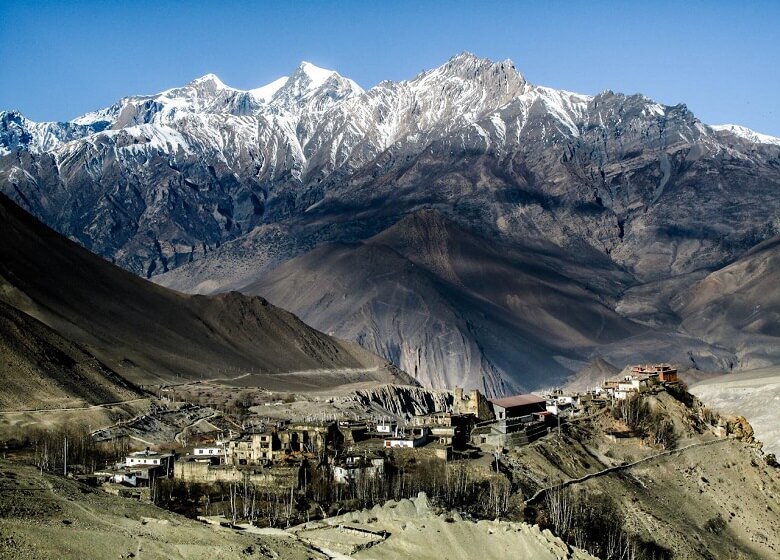
Jomsom, located at around 2,700 meters, is a windy town set in a broad valley surrounded by barren hills and snow-capped peaks. It marks the beginning of the trekking portion for many travelers. The environment here is noticeably different from the lush greenery of lower regions. The terrain is dry and rugged, influenced by the rain shadow of the Himalayas, giving it a distinct, almost desert-like appearance. Strong afternoon winds are common, so trekking early in the day is usually preferred.
From Jomsom, the trail follows the Kali Gandaki River, one of the deepest gorges in the world, flanked by the towering Annapurna and Dhaulagiri ranges. The route passes through traditional Thakali villages such as Kagbeni, which serves as a gateway to the restricted Upper Mustang region. Kagbeni is known for its narrow alleyways, ancient monasteries, and unique mud-brick houses that reflect Tibetan architectural influence. Walking through this village feels like stepping back in time, with its quiet charm and preserved culture.
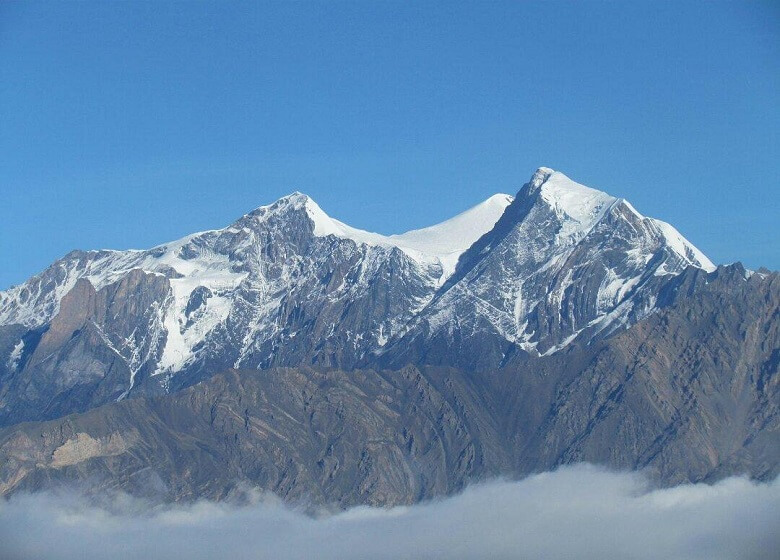
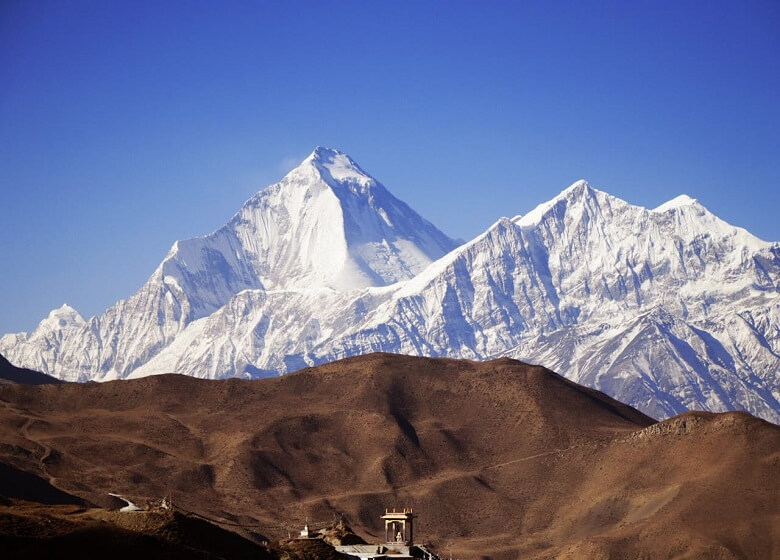
As the trek continues toward Muktinath, the landscape becomes even more dramatic. The trail gradually ascends through dry hills and open terrain, offering wide views of Nilgiri, Dhaulagiri, and other surrounding peaks. The sense of space and openness is striking, quite different from forested trekking routes elsewhere in Nepal. Along the way, trekkers encounter prayer flags, chortens, and mani walls, all of which highlight the strong spiritual presence in the region.
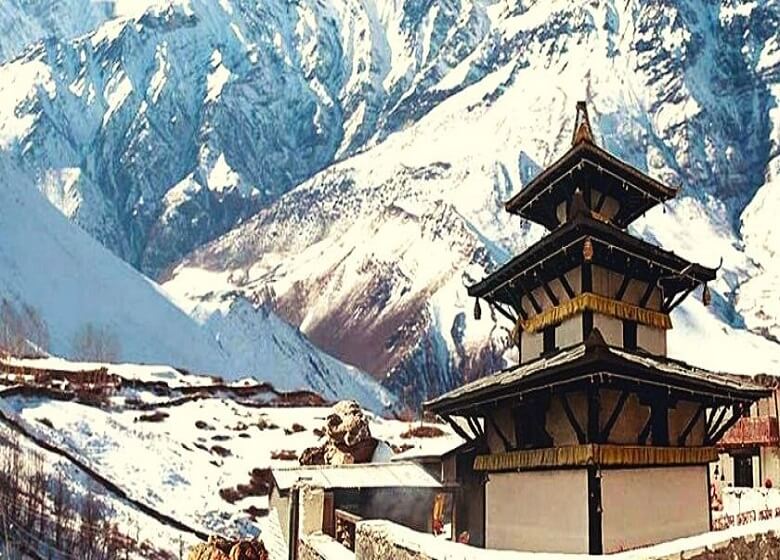
Muktinath, situated at about 3,800 meters, is the main destination of the trek and holds great religious significance for both Hindus and Buddhists. For Hindus, it is one of the most sacred pilgrimage sites, believed to offer liberation or “moksha.” The temple complex features 108 water spouts where pilgrims perform ritual bathing, even in freezing temperatures. Nearby, an eternal flame fueled by natural gas burns continuously, symbolizing a unique blend of earth, water, and fire elements. For Buddhists, Muktinath is also an important place of worship, known as Chumig Gyatsa, meaning “Hundred Waters.”
The spiritual atmosphere in Muktinath is one of the highlights of the trek. Pilgrims, monks, and trekkers all converge here, creating a unique blend of devotion and exploration. The surrounding views of the Himalayas add to the sense of awe, making it not just a physical destination but also a meaningful experience.
After visiting Muktinath, trekkers usually descend back toward Jomsom or continue further down to villages like Marpha. Marpha is particularly famous for its apple orchards and locally produced apple products, including cider and brandy. The village itself is beautifully maintained, with clean stone pathways and whitewashed houses, offering a pleasant contrast to the rugged terrain seen earlier in the trek.
One of the defining features of the Jomsom Muktinath Trek is its cultural richness. The region is home to the Thakali people, known for their hospitality and distinct cuisine. Trekkers often enjoy traditional meals such as dal bhat, buckwheat pancakes, and apple-based dishes. The blend of Hindu and Buddhist traditions is evident throughout the journey, from temples and monasteries to daily rituals and festivals.
Accommodation along the route is in teahouses, which are generally comfortable and well-established due to the popularity of the trek. Compared to more remote routes, facilities here are relatively better, with options for hot meals, basic private rooms, and sometimes even Wi-Fi. This makes the trek suitable for a wider range of travelers, including beginners and those looking for a less rugged experience.
The best time to undertake the Jomsom Muktinath Trek is during spring (March to May) and autumn (September to November), when the weather is stable and the mountain views are clear. However, due to its location in a rain shadow area, the trek is also possible during the monsoon season, which is a major advantage compared to other trekking routes in Nepal that experience heavy rainfall.
Another advantage of this trek is its flexibility. It can be completed in a shorter duration, typically 5 to 7 days, and can be customized based on time, fitness level, and preferences. Some trekkers choose to include additional side trips or extend their journey along the Annapurna Circuit, while others keep it short and focused on the main highlights.
In terms of difficulty, the trek is considered moderate. The trails are generally well-marked and not technically challenging, but the altitude and dry, windy conditions can still be demanding. Proper acclimatization, hydration, and pacing are important to ensure a safe and enjoyable experience.
Overall, the Jomsom Muktinath Trek is an excellent choice for those seeking a Himalayan adventure that combines scenic beauty, cultural depth, and spiritual significance without the intensity of longer high-altitude treks. It offers a unique glimpse into the lives of people living in the trans-Himalayan region, along with unforgettable views of some of the world’s highest peaks. Whether you are drawn by the mountains, the culture, or the spiritual journey, this trek leaves a lasting impression and a deeper appreciation for the diversity of Nepal.
Trip Highlights
- Scenic flight or drive between Pokhara and Jomsom with stunning aerial views of Annapurna and Dhaulagiri
- Trek through the dramatic Kali Gandaki Gorge, one of the deepest gorges in the world
- Visit the sacred Muktinath Temple, a major pilgrimage site for both Hindus and Buddhists
- Experience the unique desert-like landscapes of the Mustang region in the rain shadow of the Himalayas
- Explore traditional Thakali villages like Kagbeni with Tibetan-influenced culture and architecture
- Enjoy panoramic mountain views of Nilgiri, Dhaulagiri, and Annapurna ranges throughout the trek
- Walk along windswept trails following the Kali Gandaki River valley
- Discover Marpha village, famous for its apple orchards and local apple products
- Experience a blend of Hindu and Buddhist traditions through monasteries, prayer flags, and rituals
- Enjoy a relatively short and moderate trek suitable for beginners and time-limited travelers


