

Trip Info
-
Bur, airline
-
3 Star hotel
-
Kathmandu
-
Feb-May
-
Eco-tour
-
All meal during trek
-
English, Spanish, Chinese
-
Easy to moderate
-
2-15
-
15
-
69
The Manaslu with Tsum Valley Trek is one of Nepal’s most immersive and rewarding Himalayan journeys, combining the remote beauty of the Manaslu Circuit with the deep spiritual and cultural richness of the hidden Tsum Valley. This extended trek offers a rare opportunity to explore two of Nepal’s most pristine and less-traveled regions in a single adventure. It is ideal for trekkers who want more than just mountain views, those who are drawn to authentic cultural experiences, remote landscapes, and a true sense of exploration far from crowded trekking routes.
The journey begins with a scenic drive from Kathmandu to Soti Khola or Machha Khola, the gateway to the Manaslu region. The drive itself is an introduction to rural Nepal, passing through terraced hills, rivers, and small villages. From the starting point, the trail follows the Budhi Gandaki River, winding through lush subtropical forests, narrow gorges, and suspension bridges. The early days of the trek are relatively moderate, allowing trekkers to gradually adjust to the rhythm of trekking while enjoying the changing landscapes.
As the trail progresses, trekkers reach Jagat, where the route diverges toward Tsum Valley. This marks the beginning of a unique cultural and spiritual experience. Tsum Valley, often referred to as the “Hidden Valley of Happiness,” remained isolated from the outside world until 2008. This isolation has helped preserve its ancient traditions, language, and way of life. The valley is home to the Tsumba people, whose culture is deeply rooted in Tibetan Buddhism.
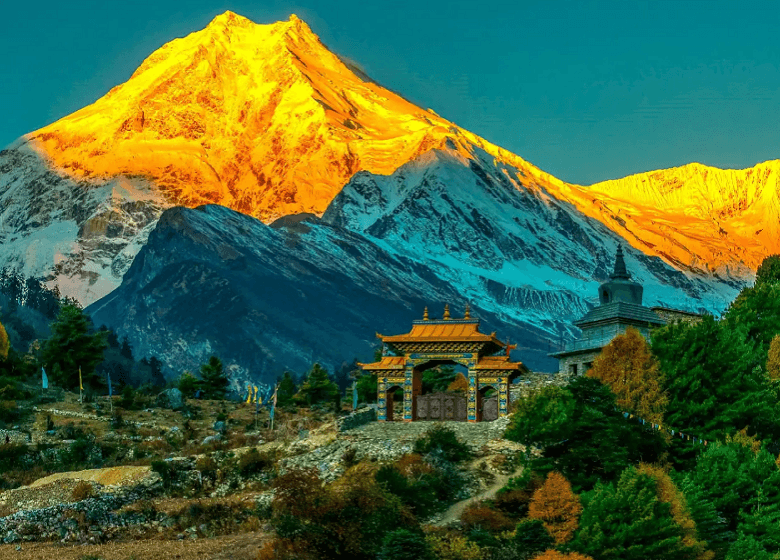
Entering Tsum Valley feels like stepping into another world. The trail passes through villages such as Lokpa, Chumling, and Chhokang Paro, where traditional stone houses, prayer flags, and mani walls reflect a strong spiritual presence. The pace of life here is slow and deeply connected to nature and religion. Trekkers have the opportunity to interact with locals, observe daily routines, and experience genuine hospitality that is both warm and humbling.
One of the most significant highlights of the Tsum Valley section is the visit to Mu Gompa, the highest monastery in the valley, located at around 3,700 meters. This ancient monastery is not only a place of worship but also a center of learning and spiritual practice. Nearby Rachen Gompa, home to a community of nuns, adds further depth to the cultural experience. The journey to these monasteries offers breathtaking views of Ganesh Himal, Sringi Himal, and surrounding peaks, making it both spiritually and visually rewarding.
After exploring Tsum Valley, the trek retraces its path back to the main Manaslu Circuit trail. From here, the journey continues northward, with the landscape gradually becoming more rugged and alpine. Villages such as Deng, Namrung, Lho, and Samagaun showcase a transition in culture, with stronger Tibetan influences evident in architecture, language, and religious practices. Monasteries, chortens, and prayer wheels are common sights, adding a spiritual dimension to the trek.
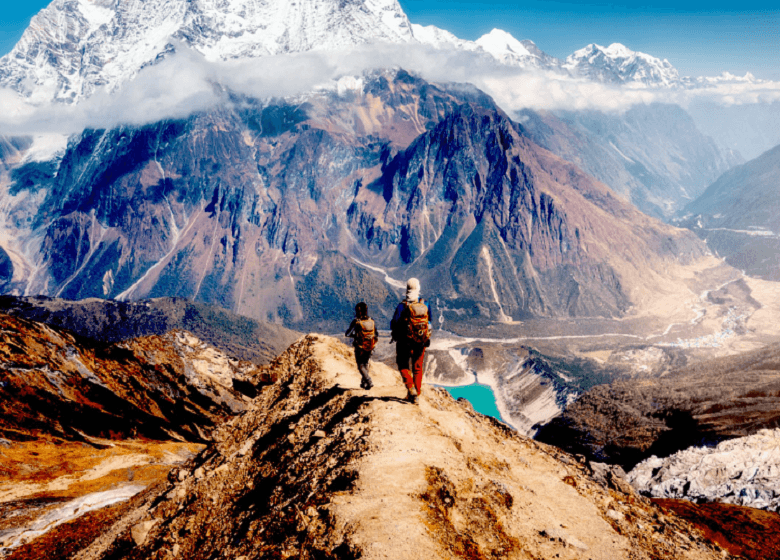
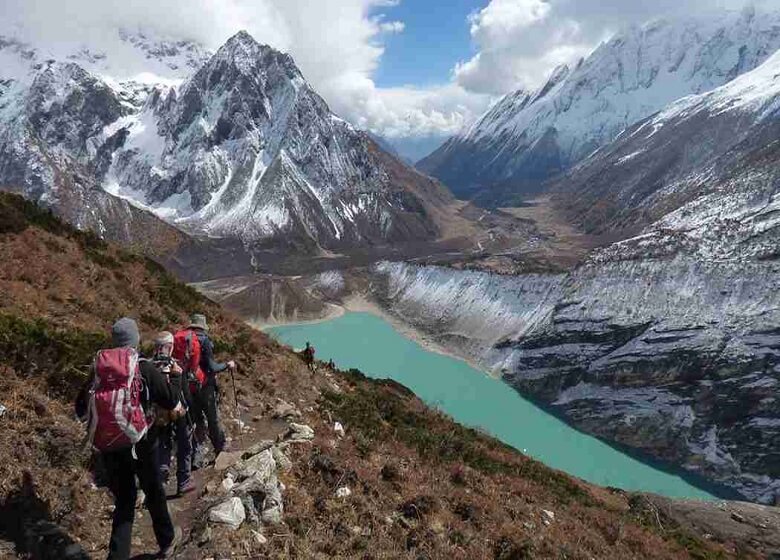
Samagaun is a key acclimatization stop and one of the most picturesque villages along the route. Surrounded by towering peaks, including Mount Manaslu itself, the village offers several exploration options. Trekkers can hike to Manaslu Base Camp, visit Birendra Lake, or explore nearby monasteries. This rest day is crucial for acclimatization before heading toward higher altitudes.
The trek continues to Samdo, a remote village near the Tibetan border, and then to Dharamsala, also known as Larkya Phedi, the base camp for crossing the Larkya La Pass. This section of the trek becomes more challenging, with thinner air and colder temperatures. Proper acclimatization and preparation are essential as trekkers approach the highest point of the journey.
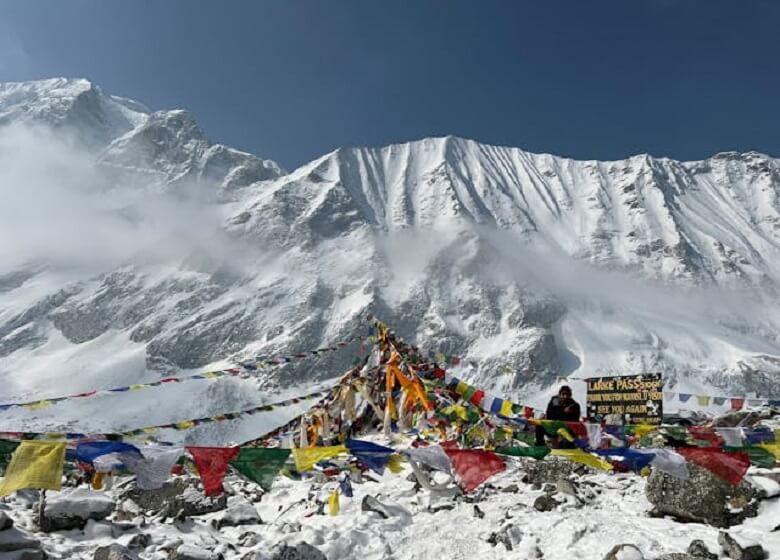
Crossing the Larkya La Pass at 5,160 meters is the ultimate highlight of the Manaslu Circuit portion of the trek. The ascent begins early in the morning, often under cold and windy conditions. The trail traverses glacial terrain and snow-covered sections, requiring endurance and careful footing. Reaching the top of the pass is a moment of triumph, rewarded with panoramic views of Himlung Himal, Cheo Himal, Kang Guru, and Annapurna II. The descent leads into the Manang region, where the landscape begins to change once again.
The natural diversity of the Manaslu with Tsum Valley Trek is extraordinary. Trekkers experience a wide range of ecosystems, from subtropical forests and river valleys to alpine meadows and high mountain passes. The region is home to a variety of wildlife, including Himalayan blue sheep, marmots, and numerous bird species. The changing scenery ensures that each day of the trek feels unique and engaging.
Accommodation throughout the trek is primarily in tea houses, which provide basic but comfortable lodging. In the Tsum Valley, some homestay experiences are also available, offering a deeper cultural connection. Meals are typically simple but nourishing, with options like dal bhat, noodles, soups, and Tibetan bread. The hospitality of local hosts is a defining feature, making trekkers feel welcome even in the most remote villages.
The trek usually takes around 18 to 22 days, depending on the itinerary and pace. It is considered moderately to highly challenging due to its duration, altitude, and remote terrain. Trekkers should be physically fit and prepared for long walking days, often ranging from 5 to 8 hours. Proper gear, including warm clothing and sturdy footwear, is essential for comfort and safety.
Permits are required for both the Manaslu Circuit and Tsum Valley, as these are restricted areas. Trekkers must travel with a licensed guide and obtain permits such as the Manaslu Restricted Area Permit, Tsum Valley Permit, Manaslu Conservation Area Permit (MCAP), and Annapurna Conservation Area Permit (ACAP). These regulations help protect the region’s environment and cultural heritage.
The best time to undertake this trek is during spring (March to May) and autumn (September to November). These seasons offer stable weather, clear skies, and excellent mountain views. Spring adds vibrant colors with blooming rhododendrons, while autumn provides crisp air and ideal trekking conditions.
Trip Highlights
- Combination of Manaslu Circuit and the hidden Tsum Valley in one epic trek
- Explore the sacred Tsum Valley, known as the “Hidden Valley of Happiness”
- Visit ancient monasteries including Mu Gompa and Rachen Gompa
- Cross the challenging Larkya La Pass (5,160m) with breathtaking mountain views
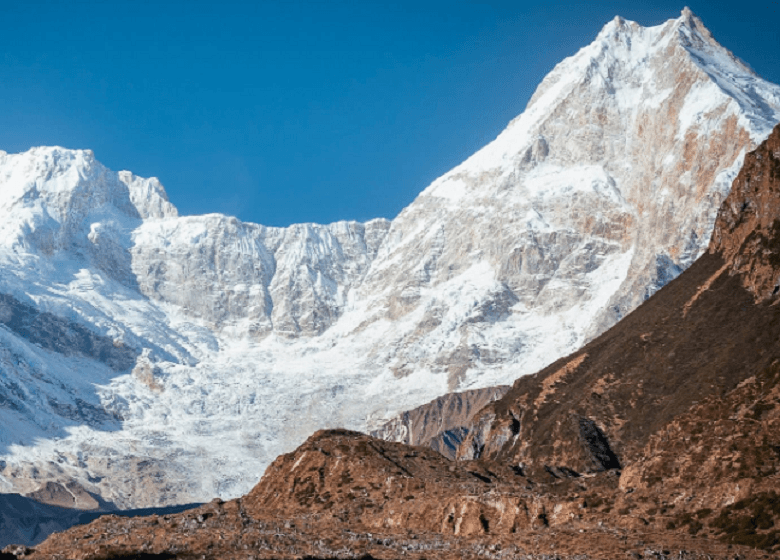
- Stunning views of Mount Manaslu (8,163m), the world’s eighth-highest peak
- Rich Tibetan-influenced culture and traditional Himalayan villages
- Diverse landscapes from lush forests to high alpine terrain and glaciers
- Authentic and less crowded trekking experience compared to Everest and Annapurna
- Scenic trail along Budhi Gandaki River with waterfalls and suspension bridges
- Unique blend of spiritual, cultural, and high-altitude adventure


