

Trip Info
-
Bus, Airlines
-
3 Star hotel
-
Kathmandu
-
Feb-May
-
Eco-tour
-
All meal during trek
-
English, Spanish, Chinese
-
Easy to moderate
-
2-15
-
15
-
65
The Annapurna Community Trek is one of Nepal’s most rewarding journeys for travelers seeking an immersive experience that blends natural beauty, cultural insight, and responsible tourism. Unlike the more popular Annapurna Circuit or Base Camp treks, this route takes you through lesser-traveled paths, connecting villages and homestays that are part of community-based tourism initiatives. The trek offers not just breathtaking Himalayan vistas but also a chance to engage directly with local people, learn about their lifestyle, and contribute meaningfully to the sustainability of the region.
The journey typically begins in the city of Pokhara, a vibrant town set against the backdrop of the Annapurna massif. Pokhara serves as a convenient starting point due to its accessibility, accommodation options, and the calm of Phewa Lake, which is perfect for relaxing before heading into the mountains. The city itself is a hub for trekkers and offers a last glimpse of urban comforts—cafes, gear shops, and local markets—before stepping into the serene landscapes of rural Nepal. From here, a short drive or local bus ride brings you to the trailhead, often near the village of Dhampus or Ghandruk, depending on the chosen route.
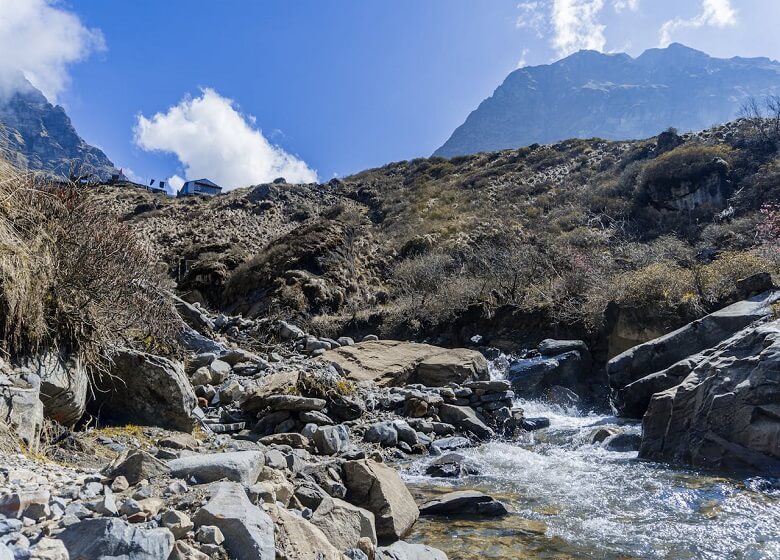
The trek is structured to progress gradually, allowing the body to acclimatize to higher altitudes while keeping each day scenic and manageable. Early sections of the trek pass through subtropical forests and terraced farmland, where rice paddies and cornfields extend alongside winding paths. The air is filled with the scent of pine and the faint aroma of cooking fires from nearby villages. These initial days give a gentle introduction to the rhythm of life in the mountains: the sound of bells from grazing livestock, the chatter of children, and the occasional laughter from women working in the fields.
One of the highlights of the Annapurna Community Trek is the homestay experience. Local families open their homes to trekkers, offering a unique opportunity to witness everyday life in these communities. Guests can participate in cooking traditional meals, learning how to prepare dishes like dal bhat (lentil soup with rice) or gundruk (fermented leafy greens). Evenings often involve gathering around a fire with family members and fellow trekkers, sharing stories, and sometimes participating in local music or dance. This direct interaction fosters a genuine cultural exchange and allows visitors to leave a positive economic impact on these communities, which is the core principle behind community-based trekking.
As the trek gains elevation, the landscape changes dramatically. Terraces give way to forests of rhododendron and oak, and paths wind along steep ridges with panoramic views of terraced valleys below. Small, traditional villages dot these higher trails, many of which are known for their distinctive stone architecture and intricate woodwork. Villagers tend to livestock such as yaks, goats, and cows, and the daily routines here are closely tied to the natural environment, reflecting centuries of sustainable living.
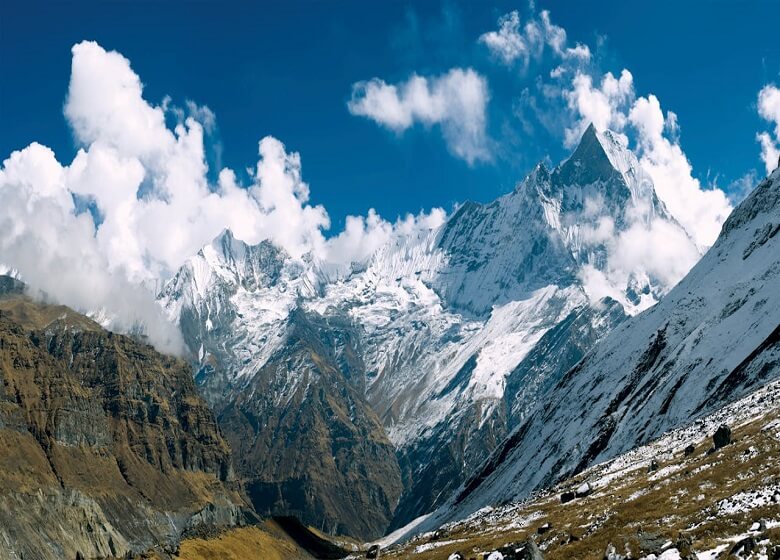
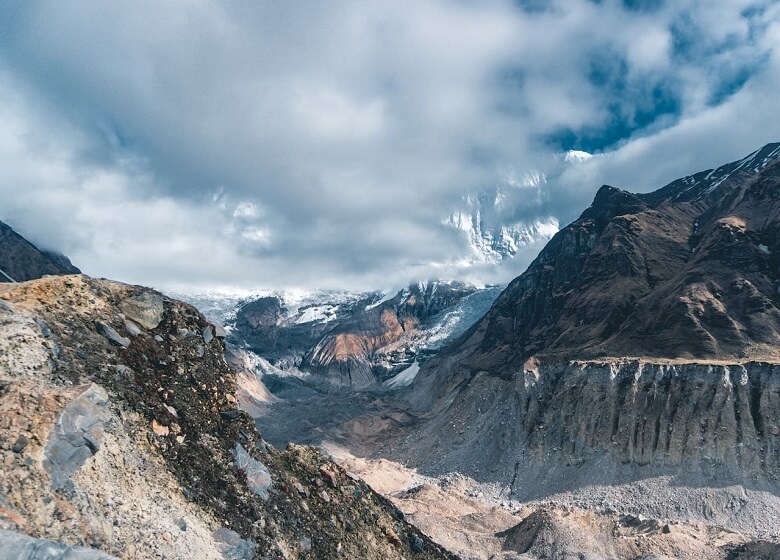
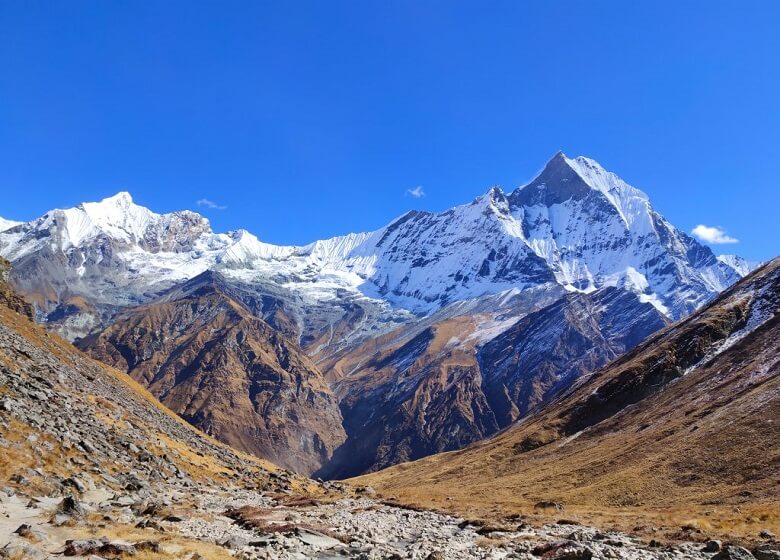
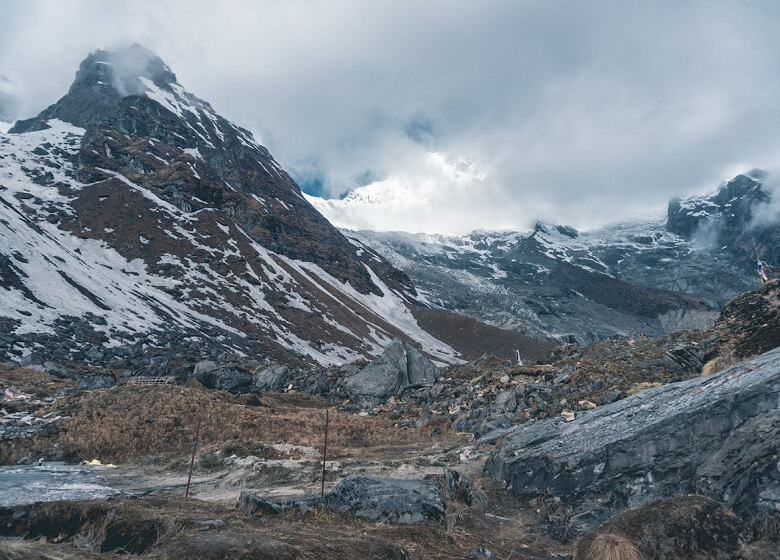
The trail eventually opens up to more expansive Himalayan views, with snow-capped peaks dominating the skyline. The Annapurna range, including Annapurna South, Hiunchuli, and Machapuchare—also known as Fishtail Mountain—is visible from various points, providing stunning photographic opportunities. Sunrise and sunset from viewpoints along the trek are especially memorable, with the first light illuminating jagged peaks and casting long shadows across terraced valleys. For many trekkers, these moments are the pinnacle of the journey, offering both awe-inspiring natural beauty and a sense of accomplishment.
Beyond scenery, the trek is also an exploration of local culture and religion. Many villages are home to Buddhist and Hindu communities, and small temples, stupas, and prayer flags are a common sight. Trekkers often have the chance to observe or participate in local festivals, which may include traditional music, dances, and rituals. These cultural interactions provide a deeper understanding of how religion, agriculture, and community governance shape daily life in the Annapurna region.
The physical demands of the trek vary depending on the specific route, but it generally requires moderate fitness. Trails involve ascending and descending hilly terrain, crossing suspension bridges, and navigating stone-paved paths. Altitudes usually range between 1,200 and 2,700 meters, which keeps the trek comfortable while still offering highland scenery. Unlike some high-altitude treks, the risk of severe altitude sickness is low, though trekkers are advised to monitor their bodies and stay hydrated. The gradual pace and multiple rest stops at villages make this trek suitable for a wide range of travelers, including those who are new to trekking.
Meals and accommodations are simple but sufficient. Homestays provide clean rooms, often with shared bathrooms, and basic bedding. Meals are hearty, using locally sourced ingredients to create nutritious dishes that fuel trekking activities. The emphasis is on home-cooked food, which not only ensures authenticity but also supports local farmers and households. In remote sections, tea houses may be available, offering warm beverages, snacks, and a place to rest. This blend of homestays and basic lodges maintains the community-focused ethos while providing the necessary comfort for trekkers.
One of the most rewarding aspects of the Annapurna Community Trek is the personal connection trekkers develop with the environment and the people. Walking through villages where electricity is limited and modern conveniences are minimal, travelers gain a perspective on resilience and simplicity. Conversations with elders reveal stories about the land, farming practices, and changing times, while younger generations often share their aspirations and challenges. These encounters create lasting memories and a deeper appreciation for the human aspect of trekking, making it far more than just a physical journey.
Environmental stewardship is another core component of the trek. Community-based tourism programs in the Annapurna region emphasize eco-friendly practices such as waste management, responsible water use, and reforestation efforts. Trekking with local guides ensures that trails are respected, wildlife habitats are preserved, and litter is minimized. Many villages also participate in cultural preservation initiatives, maintaining traditional architecture and practices while welcoming visitors. For travelers, this approach provides the satisfaction of knowing their visit supports both people and nature.
The trek culminates in one of the region’s signature viewpoints, often providing panoramic vistas of the Annapurna and Machapuchare ranges. From here, the sense of accomplishment is tangible, as trekkers reflect on the path they have walked, the villages visited, and the landscapes experienced. The descent back toward Pokhara offers a final opportunity to enjoy terraced valleys, rivers, and forests while saying goodbye to the communities that made the trek so unique. Returning to Pokhara, travelers can relax by the lakeside, enjoy local cuisine, and reflect on the journey’s physical, emotional, and cultural rewards.
In summary, the Annapurna Community Trek offers a balanced combination of scenic beauty, cultural immersion, and responsible tourism. It is ideal for those who want to explore the Annapurna region beyond crowded trails, engage with local communities, and contribute positively to the places they visit. With moderate altitudes, accessible trails, and authentic village experiences, this trek is suitable for a broad spectrum of travelers, from adventure enthusiasts to those seeking a slower, more meaningful journey. Every step along the path brings not just the thrill of the mountains but also a deeper connection to the people, culture, and environment that define the Annapurna region. For anyone looking to experience Nepal in a way that combines exploration with purpose, the Annapurna Community Trek is an unforgettable choice.
Trip Highlights
- Walk through scenic, lesser-known trails in the Annapurna region, away from crowded routes.
- Experience authentic village life through homestays and community-based tourism initiatives.
- Enjoy panoramic Himalayan views, including Annapurna South, Hiunchuli, and Machapuchare (Fishtail).
- Explore terraced farmlands, rhododendron forests, and lush subtropical landscapes.
- Participate in local culture, including cooking traditional meals and learning village customs.
- Witness Buddhist and Hindu traditions, temples, stupas, and prayer flags along the trail.
- Moderate trekking altitudes (1,200–2,700 m) suitable for most travelers while offering highland scenery.
- Contribute to sustainable tourism and environmental preservation through community-focused programs.
- Cross suspension bridges, stone-paved paths, and scenic ridges offering unique trekking challenges.
- Capture unforgettable sunrise and sunset views over the Annapurna and Machapuchare ranges.


