

Trip Info
-
Bus, Airlines
-
3 Star hotel
-
Kathmandu
-
Feb-May
-
Eco-tour
-
All meal during trek
-
English, Spanish, Chinese
-
Easy to moderate
-
2-15
-
15
-
65
The Langtang Gosaikunda Helambu Trek is one of Nepal’s most captivating trekking routes, offering a unique blend of high-altitude landscapes, cultural immersion, and pristine natural beauty. Unlike the more crowded trails of the Annapurna or Everest regions, this trek provides a quieter, more intimate experience, ideal for hikers who enjoy solitude, breathtaking mountain vistas, and the charm of local villages. Stretching through the Langtang National Park and into the Helambu region, the trek is moderately challenging, weaving together dense forests, alpine meadows, glacial lakes, and traditional Tamang and Sherpa settlements.
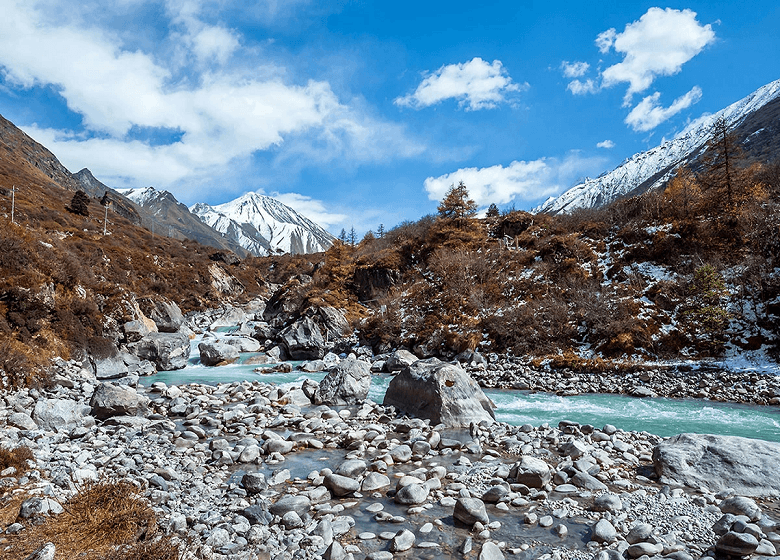
The journey typically begins with a drive from Kathmandu to Syabrubesi, a small town that serves as the gateway to Langtang National Park. The drive itself is an introduction to Nepal’s varied landscapes, with winding roads along terraced hills, glimpses of terracotta-roofed villages, and the occasional suspension bridge spanning glacial rivers. Upon arrival in Syabrubesi, trekkers can enjoy the serene atmosphere, do a final check of gear, and meet local guides who will accompany them throughout the trek. From here, the trail leads gradually into the park, where dense forests of rhododendron, oak, and pine dominate the scenery. During the spring months, these forests burst into color with rhododendron blooms, adding vibrancy to the deep greens of the canopy.
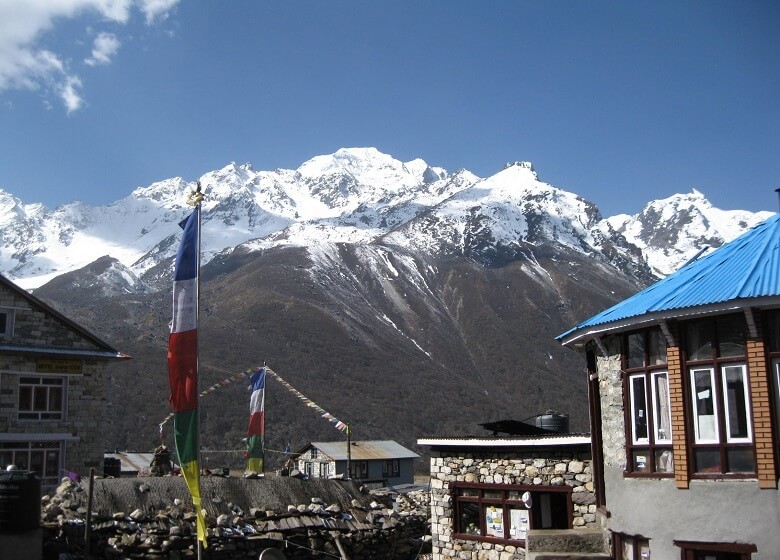
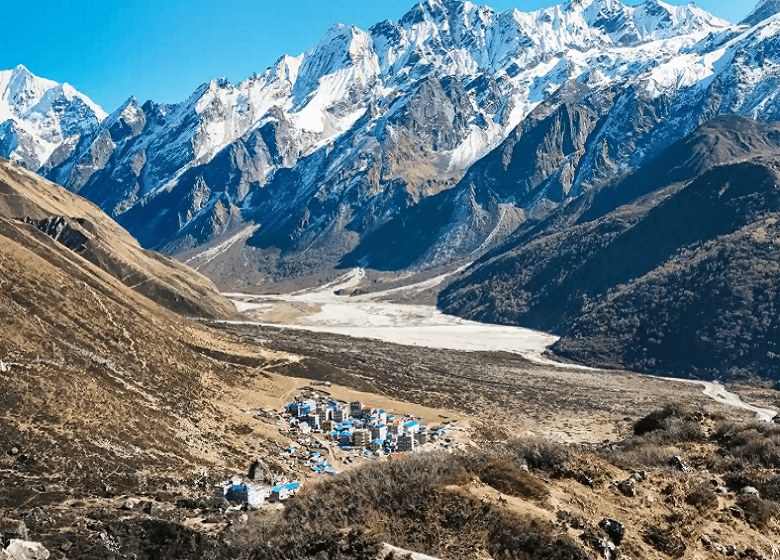
The trek progresses through charming villages such as Lama Hotel and Langtang Village. These settlements offer a glimpse into the lives of the Tamang people, who are the predominant ethnic group in the region. The Tamangs maintain a lifestyle deeply connected to Buddhism and the surrounding natural environment, and trekking through their villages offers opportunities to visit monasteries, interact with locals, and experience traditional hospitality. Tea houses and lodges along the trail provide cozy accommodations and simple, hearty meals, often including dal bhat, Nepal’s staple lentil and rice dish. The pace of the trek allows for acclimatization, with gradual gains in altitude that minimize the risk of altitude sickness while still offering panoramic views of the surrounding peaks.
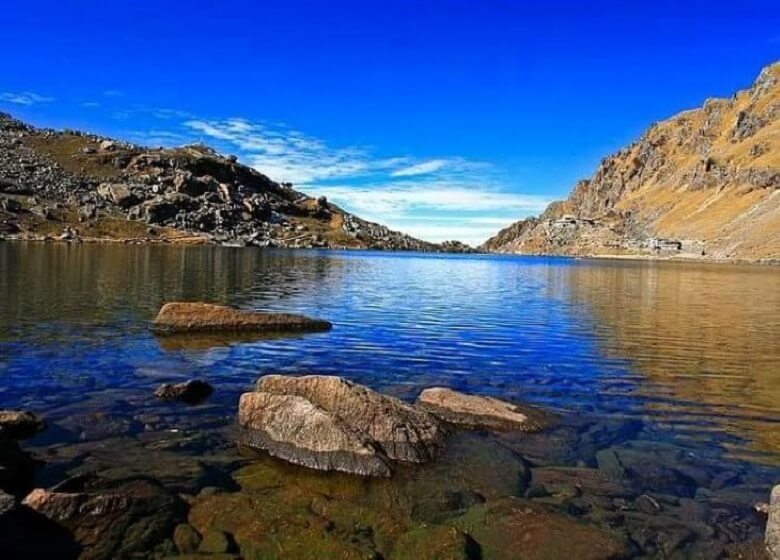
One of the highlights of the trek is reaching Gosaikunda, a high-altitude alpine lake sacred to both Hindus and Buddhists. Situated at over 4,300 meters, Gosaikunda is surrounded by snow-capped peaks and dotted with smaller lakes, creating a breathtaking tableau of clear blue water and rugged mountains. For trekkers, this is not only a visual treat but also a spiritual experience, especially during the full moon festival of Janai Purnima when pilgrims flock to the lake. The hike to Gosaikunda involves steeper ascents and occasional rocky paths, but the views of Langtang Lirung and the surrounding peaks reward the effort. The area around the lake is also home to hardy alpine vegetation and occasional sightings of wildlife such as Himalayan monal pheasants, musk deer, and even snow leopards in rare instances.
From Gosaikunda, the trail gradually descends into the Helambu region, an area renowned for its lush forests, terraced farmland, and welcoming villages. Helambu is also home to several small monasteries and traditional homes that offer a glimpse into rural Nepalese life. The descent from high alpine terrain into lower forested valleys provides a dramatic change in scenery, with subtropical flora replacing the sparse alpine vegetation. Trekkers have the chance to observe traditional farming practices, taste local honey, and sample seasonal fruits that grow abundantly in the valleys. The trail passes through villages such as Kutumsang, Sermathang, and Melamchi, each with its own character and offerings. Local guides often share stories of Helambu’s history and culture, making this portion of the trek as enriching culturally as it is visually.
The trek’s physical challenges are balanced by the mental rewards of solitude, natural beauty, and cultural immersion. Moderate to strong fitness levels are recommended, as daily walking distances can range from five to eight hours, often on uneven terrain. While the trek is suitable for beginners with proper preparation, more experienced hikers will appreciate the variety of landscapes, the relatively low number of trekkers, and the opportunity to explore areas that remain off the beaten path. Weather conditions vary with the season; spring and autumn offer clear skies and moderate temperatures, making them the most popular trekking periods. Winter treks are possible but require careful planning due to snow and colder temperatures, particularly around Gosaikunda.
Wildlife is an integral part of the Langtang Gosaikunda Helambu experience. The Langtang National Park is home to red pandas, Himalayan black bears, langurs, and an array of bird species. Trekkers often pass through areas where the sounds of nature—birdsong, rustling leaves, and distant waterfalls—create a sense of immersion in a pristine environment. Conservation efforts in the region are visible along the trail, with efforts to maintain clean trekking routes and protect endangered species. Observing these animals in their natural habitats enhances the overall experience and underscores the importance of sustainable tourism in these fragile ecosystems.
Accommodations along the route are predominantly traditional tea houses, providing basic facilities but warm hospitality. Staying in these lodges allows trekkers to connect with local communities, share meals, and hear stories of life in the Himalayas. Although facilities may be simple—shared bathrooms, limited hot water, and no internet in remote areas—the charm of the environment, coupled with spectacular views, more than compensates for the lack of modern comforts. Meals are simple but filling, often including soups, noodles, rice dishes, and local specialties such as buckwheat pancakes or fried potatoes with vegetables. The opportunity to eat with locals and learn about their customs adds an enriching layer to the trek.
One of the unique aspects of the Langtang Gosaikunda Helambu Trek is its combination of high-altitude adventure and cultural exploration. Trekkers move seamlessly from alpine lakes and rugged mountain passes to terraced farmlands and centuries-old monasteries. This variety provides a holistic experience, balancing physical exertion with moments of reflection and cultural engagement. The trek encourages a slower pace, allowing hikers to absorb the tranquility of the mountains, watch the sunrise over snow-capped peaks, and witness local festivals and rituals that remain largely unchanged by modern tourism.
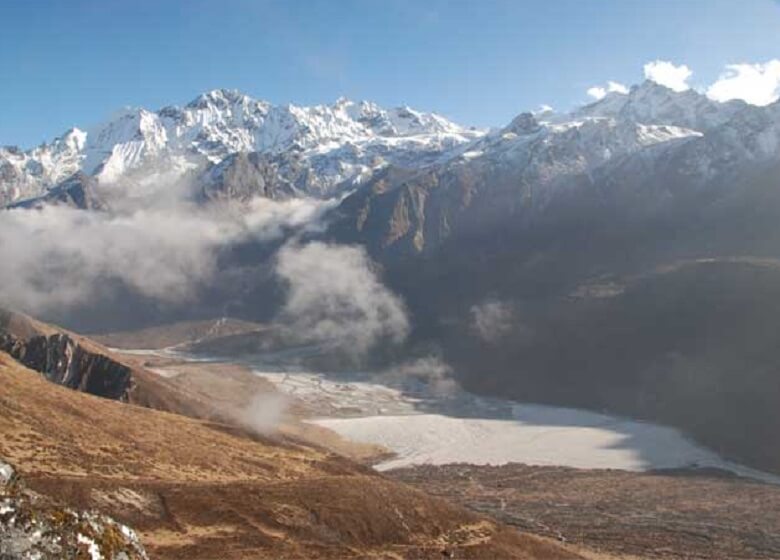
For those seeking a connection with nature, the trek offers numerous opportunities for photography, wildlife observation, and meditation. The landscapes are diverse, from dense pine forests and rhododendron-filled valleys to shimmering lakes and panoramic views of peaks like Langtang Lirung, Dorje Lakpa, and Ganesh Himal. Every turn presents a new vista, making the journey visually dynamic and rewarding. Trekking through Helambu also offers insight into traditional Nepalese agricultural practices, including the cultivation of potatoes, corn, and millet, as well as the maintenance of communal forests that provide resources and preserve biodiversity.
The trek concludes with a descent back toward Sundarijal or Kathmandu, depending on the chosen route. This final leg allows trekkers to reflect on the journey, enjoy the last glimpses of mountain scenery, and absorb the sense of accomplishment that comes from completing a challenging yet immensely rewarding trek. Returning to Kathmandu, hikers often carry with them not just memories of stunning landscapes, but also a deeper understanding of Nepal’s rich cultural tapestry and the resilience of the communities living in harmony with the mountains.
Overall, the Langtang Gosaikunda Helambu Trek is a journey that combines adventure, spirituality, and cultural immersion. It offers something for everyone: breathtaking mountain views for nature lovers, sacred lakes and monasteries for those seeking spiritual connection, and vibrant local communities for travelers interested in cultural experiences. The trek’s moderate difficulty, diverse landscapes, and relative seclusion make it an ideal choice for hikers looking to explore Nepal beyond the more frequented routes. With careful planning, proper acclimatization, and an open mind, this trek provides a lifetime of memories, offering a deep sense of connection to both the natural world and the rich traditions of the Himalayan people.
Whether it’s the quiet reflection by the blue waters of Gosaikunda, the colorful blooms in the forests, or the welcoming smiles of Helambu villagers, this trek leaves a lasting impression. It is not just a physical journey, but an opportunity to step into a different rhythm of life, to witness landscapes largely untouched by modern development, and to engage meaningfully with communities whose traditions have been preserved for generations. For those who embark on the Langtang Gosaikunda Helambu Trek, the experience is as much about inner discovery as it is about external exploration, making it one of Nepal’s most rewarding trekking adventures.
This trek is best approached with preparation and respect for the environment and local culture. Choosing responsible trekking practices, such as minimizing waste, supporting local businesses, and respecting wildlife, enhances both the trekker’s experience and the sustainability of the region. By following these principles, trekkers can ensure that the Langtang Gosaikunda Helambu Trek remains a pristine and enriching adventure for generations to come.
Trip Highlights
- Explore the serene landscapes of Langtang National Park, featuring dense rhododendron and pine forests.
- Visit Langtang Village, experiencing traditional Tamang culture and Buddhist monasteries.
- Trek to the sacred alpine lakes of Gosaikunda, set at over 4,300 meters with stunning panoramic views.
- Witness snow-capped Himalayan peaks such as Langtang Lirung, Dorje Lakpa, and Ganesh Himal.
- Descend into the lush Helambu region, known for terraced farms, local honey, and subtropical flora.
- Stay in traditional tea houses, enjoying authentic Nepalese meals and warm hospitality.
- Encounter diverse wildlife, including Himalayan monals, langurs, musk deer, and occasionally red pandas.
- Experience cultural immersion by visiting monasteries, interacting with locals, and observing rural farming practices.
- Enjoy seasonal natural beauty, from rhododendron blooms in spring to snow-dusted alpine trails in winter.
- Benefit from a moderate yet rewarding trek, offering both physical adventure and spiritual reflection.


