

Trip Info
-
Bus, Airline
-
3 Star hotel
-
Kathmandu
-
Feb-May
-
Eco-tour
-
All meal during trek
-
English, Spanish, Chinese
-
Easy to moderate
-
2-15
-
15
-
65
The Lower Mustang Trek is one of Nepal’s most accessible and diverse trekking experiences, offering a rich blend of natural beauty, cultural heritage, and Himalayan adventure without the extreme remoteness of Upper Mustang. Situated in the Annapurna region, Lower Mustang stretches along the Kali Gandaki Valley and serves as a transition zone between the lush mid-hills of Nepal and the arid landscapes of the Trans-Himalayan region. This unique positioning gives trekkers the opportunity to experience a wide range of scenery, climates, and cultures within a relatively short period.
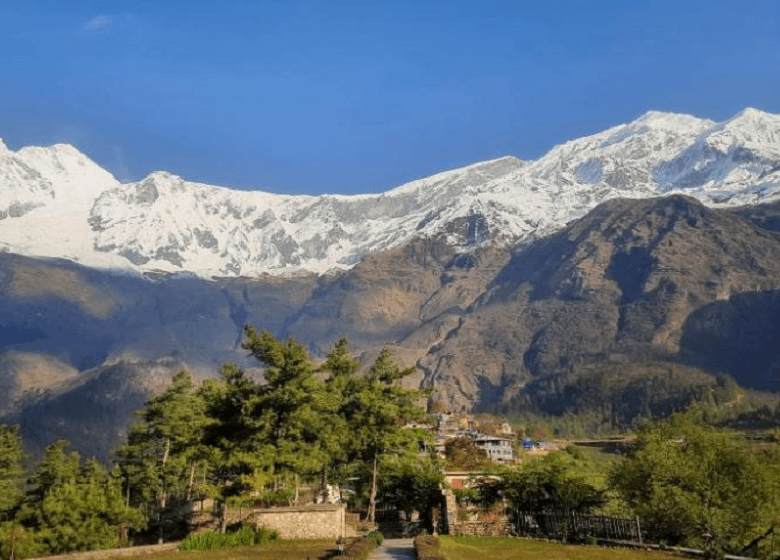
The journey typically begins in Pokhara, a vibrant lakeside city known for its relaxed atmosphere and stunning views of the Annapurna range. From Pokhara, trekkers either take a scenic flight or a long but adventurous drive to Jomsom, the administrative center of Mustang district. The flight, though short, is one of the most spectacular in Nepal, offering panoramic views of towering peaks such as Annapurna I, Dhaulagiri, and Nilgiri. Jomsom sits at an altitude of around 2,700 meters and marks the starting point for most Lower Mustang treks.
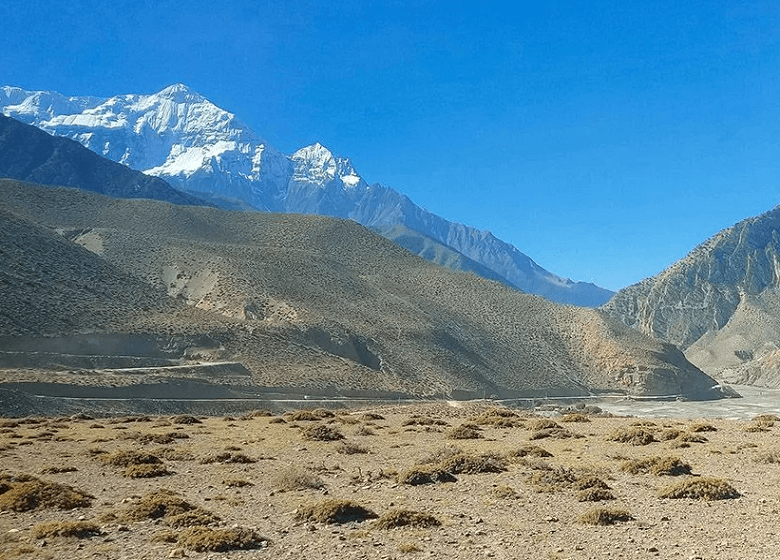
From Jomsom, the trail follows the Kali Gandaki River, one of the deepest river gorges in the world, flanked by the massive Annapurna and Dhaulagiri mountain ranges. The terrain here is noticeably different from other popular trekking regions in Nepal. Instead of dense forests and terraced fields, trekkers encounter wide riverbeds, windswept valleys, and barren hills that hint at the desert landscapes further north. The strong afternoon winds in this region are a defining feature, often shaping the trekking schedule, with most walking done in the early morning hours.
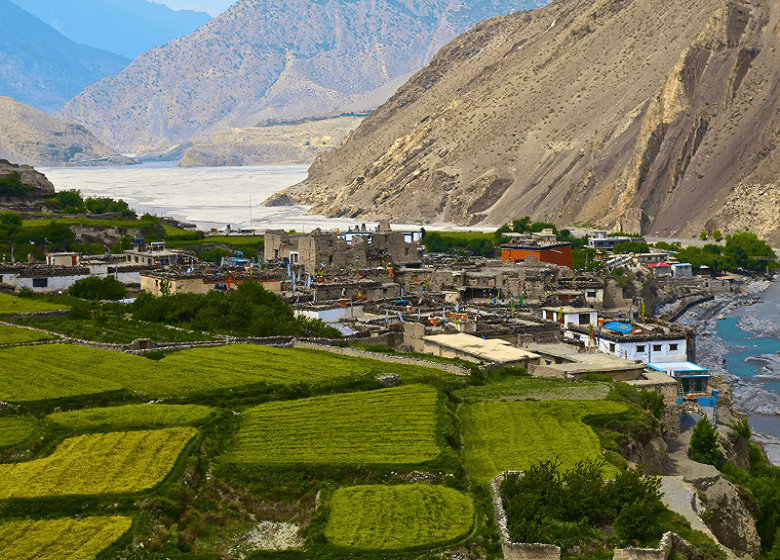
One of the first major stops along the route is Kagbeni, a picturesque village that serves as the gateway to Upper Mustang. With its narrow alleyways, ancient mud-brick houses, and medieval atmosphere, Kagbeni feels like a step back in time. The village is also home to an old monastery and offers stunning views of the surrounding mountains and river valleys. For many trekkers, Kagbeni is a highlight of the Lower Mustang Trek, combining cultural richness with dramatic scenery.
Continuing north or branching off toward Muktinath, trekkers gradually gain altitude while witnessing a shift in both landscape and culture. Muktinath, located at an altitude of 3,710 meters, is one of the most important pilgrimage sites in Nepal, revered by both Hindus and Buddhists. The temple complex is known for its eternal flame and 108 water spouts, where pilgrims perform ritual baths. Visiting Muktinath adds a spiritual dimension to the trek, as the site attracts devotees from across Nepal and India throughout the year.
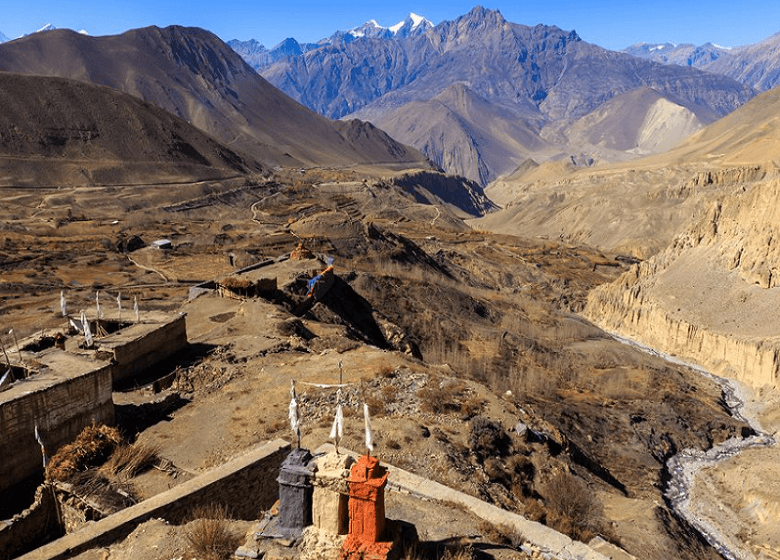
The cultural experience in Lower Mustang is deeply influenced by Tibetan traditions. The region is home to the Thakali people, known for their hospitality, culinary traditions, and unique way of life adapted to the harsh environment. As trekkers pass through villages such as Marpha, Tukuche, and Jharkot, they encounter whitewashed houses, prayer wheels, mani walls, and colorful prayer flags fluttering in the wind. Marpha, in particular, is famous for its apple orchards and locally produced apple products, including cider, brandy, and dried apples. The village’s clean streets and organized layout reflect the strong community values of the Thakali people.
Lower Mustang is also renowned for its natural diversity. The trek passes through a variety of landscapes, from subtropical forests and terraced farmlands in the lower elevations to alpine terrain and arid valleys at higher altitudes. Along the way, trekkers may encounter diverse flora and fauna, including pine forests, rhododendron blooms in spring, and occasional sightings of Himalayan wildlife. The constantly changing scenery keeps the trek engaging and visually rewarding.
Another appealing aspect of the Lower Mustang Trek is its flexibility. The route can be customized in several ways depending on time, fitness level, and interests. Some trekkers choose to combine it with sections of the Annapurna Circuit, while others focus on a shorter itinerary centered around Jomsom, Kagbeni, and Muktinath. The availability of roads in certain sections also allows for a mix of trekking and jeep travel, making the region more accessible to a wider range of travelers, including those who may not want to commit to a long and strenuous trek.
Accommodation along the Lower Mustang route is relatively comfortable compared to more remote trekking regions. Tea houses and lodges are well-established, offering basic but clean rooms and a variety of भोजन options, including traditional Nepali dal bhat, Tibetan bread, noodles, soups, and even some international dishes. The hospitality of the local people adds warmth to the journey, with many lodge owners eager to share stories and insights about the region.
Despite its accessibility, the Lower Mustang Trek still requires proper preparation. The altitude, though moderate compared to high-altitude treks, can still pose challenges, particularly for those ascending too quickly. Adequate acclimatization, hydration, and pacing are essential for a safe and enjoyable experience. The dry and windy conditions also mean that trekkers should be prepared with appropriate clothing, including layers, windproof jackets, and sun protection.
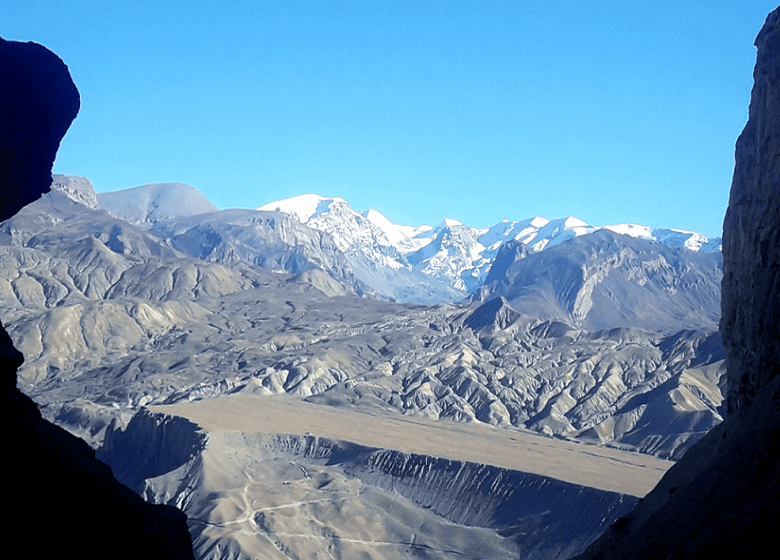
One of the defining features of the Lower Mustang Trek is the sense of contrast it offers. Within a span of just a few days, trekkers move from green hills and flowing rivers to stark, wind-carved landscapes that resemble the Tibetan plateau. This transition is not only visual but also cultural, as the influence of Tibetan Buddhism becomes more pronounced in architecture, language, and daily life. The region acts as a bridge between two distinct worlds, making it one of the most intriguing trekking destinations in Nepal.
The best time to undertake the Lower Mustang Trek is during the spring (March to May) and autumn (September to November) seasons, when the weather is stable and the views are clear. Interestingly, due to its location in the rain shadow of the Himalayas, Lower Mustang is also a viable option during the monsoon months, when many other trekking routes in Nepal are affected by heavy rainfall. This makes it a popular choice for trekkers looking to travel during off-peak seasons.
Trip Highlights
- Trek through the Kali Gandaki Valley, one of the world’s deepest river gorges
- Enjoy stunning views of Annapurna, Dhaulagiri, and Nilgiri mountain ranges
- Visit the sacred pilgrimage site of Muktinath, important for both Hindus and Buddhists
- Explore the ancient village of Kagbeni with its medieval alleys and monasteries
- Experience the unique culture and hospitality of the Thakali community
- Walk through diverse landscapes, from green hills to arid, desert-like terrain
- Discover Marpha village, famous for its apple orchards and local products
- Witness Tibetan-influenced traditions, monasteries, prayer wheels, and mani walls
- Enjoy a relatively short and accessible trek suitable for beginners and moderate trekkers
- Experience trekking in a rain-shadow region, making it ideal even during monsoon season


