

Trip Info
-
Bus, Airline
-
3 Star hotel
-
Kathmandu
-
Feb-May
-
Eco-tour
-
All meal during trek
-
English, Spanish, Chinese
-
Easy to moderate
-
2-15
-
15
-
65
The Panch Pokhari Trek is a beautiful and relatively less-explored journey in the Sindhupalchok district of Nepal, offering a perfect combination of natural beauty, cultural richness, and spiritual significance. Located northeast of Kathmandu, this trek leads to a group of five sacred alpine lakes, known as “Panch Pokhari,” situated at an altitude of around 4,100 meters. The trek is ideal for those seeking a quieter alternative to the more crowded trekking routes while still enjoying stunning Himalayan landscapes and authentic local experiences.
The journey typically begins with a drive from Kathmandu to Chautara or Bhotang, depending on the chosen route. The drive itself is scenic, passing through rolling hills, terraced farmland, and traditional villages that provide a glimpse into rural Nepalese life. As the trek starts, the trail gradually ascends through lush forests and agricultural fields, offering a gentle introduction to the terrain. The early days of the trek are relatively moderate, allowing trekkers to acclimatize while enjoying the serene surroundings.
One of the most appealing aspects of the Panch Pokhari Trek is its unspoiled natural environment. The trail winds through dense forests of rhododendron, pine, and oak, which come alive with color during the spring season. The forests are home to a variety of wildlife, including monkeys, deer, and numerous bird species. As you ascend, the vegetation gradually changes, giving way to alpine meadows and rocky landscapes. The diversity of ecosystems encountered along the trail adds depth and variety to the trekking experience.
Culturally, the trek offers an opportunity to interact with local communities, including Tamang, Sherpa, and other ethnic groups. Villages along the route maintain traditional lifestyles, with stone houses, terraced farming, and strong community ties. Trekkers often experience warm hospitality, with locals welcoming visitors into their homes or tea houses. Religious elements are also prominent, with prayer flags, small shrines, and monasteries scattered along the trail, reflecting the deep spiritual connection of the people to the land.
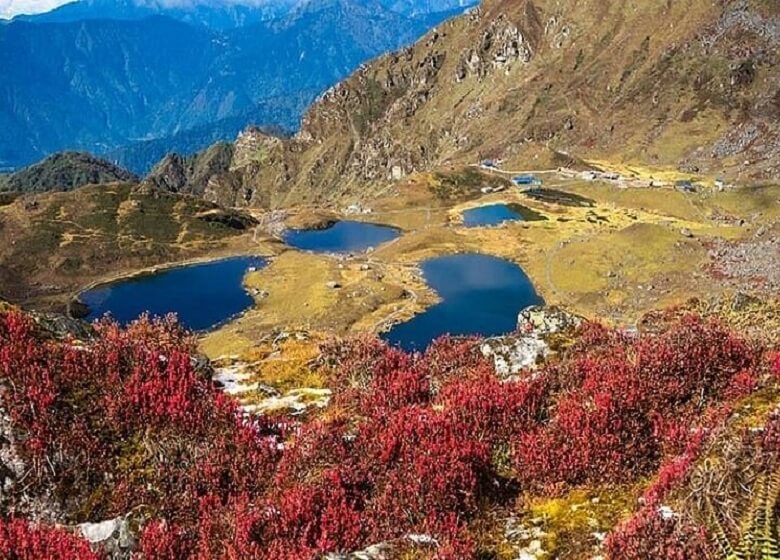
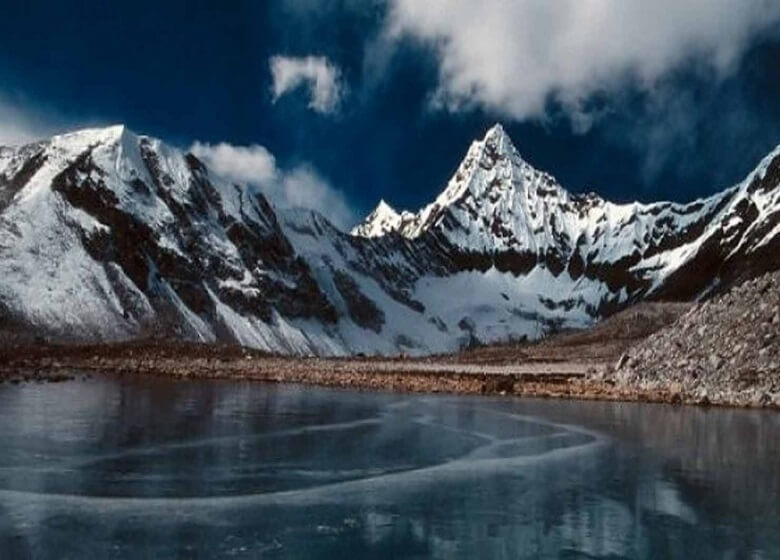
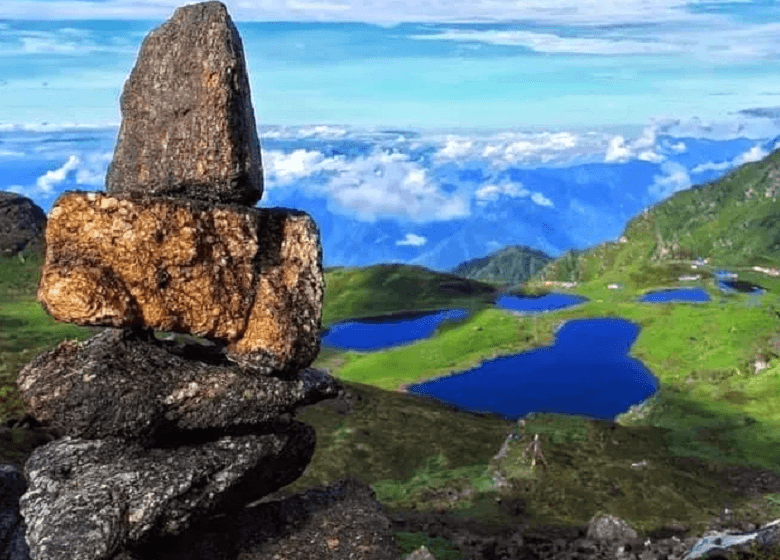
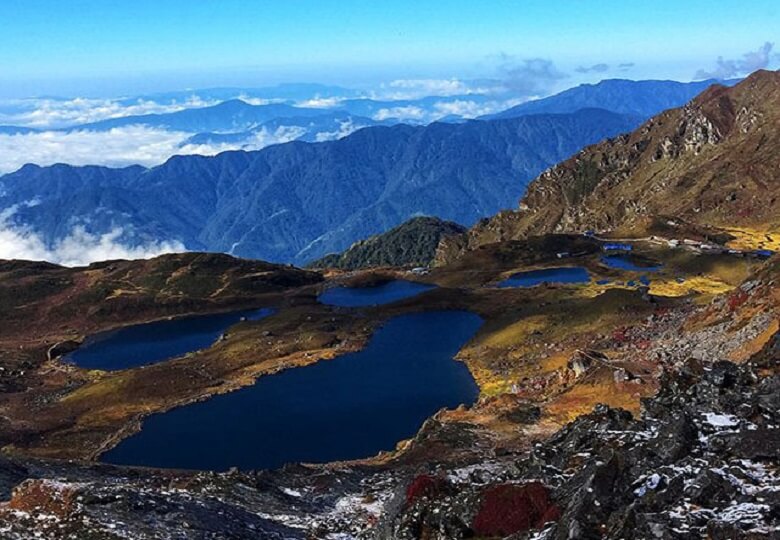
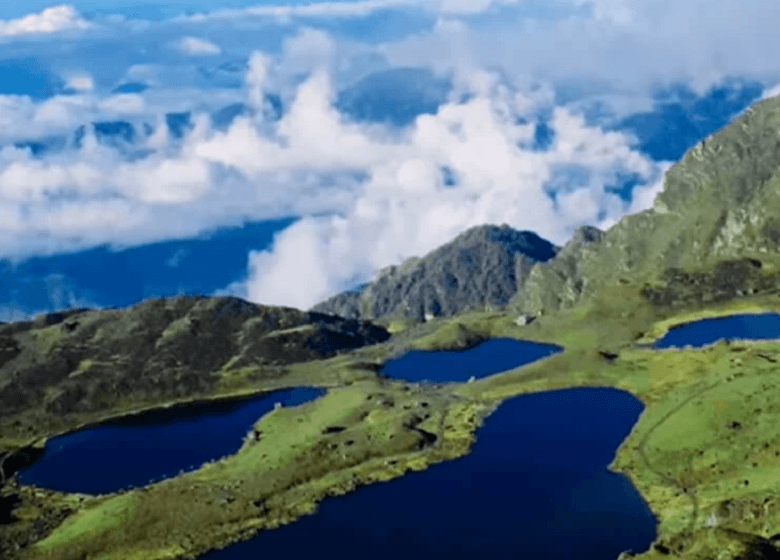
The highlight of the trek is reaching Panch Pokhari itself. These five glacial lakes are considered sacred by both Hindus and Buddhists, attracting pilgrims during festivals such as Janai Purnima. The setting is breathtaking, with crystal-clear lakes surrounded by rugged mountains and open skies. The peaceful atmosphere and spiritual significance of the site create a unique and memorable experience. Many trekkers choose to spend extra time here, exploring the surrounding area and taking in the panoramic views of peaks such as Jugal Himal and Rolwaling range.
In addition to its spiritual importance, Panch Pokhari offers incredible scenic beauty. The high-altitude landscape is characterized by vast open spaces, alpine grasslands, and dramatic mountain backdrops. The sense of isolation and tranquility is one of the trek’s defining features, as the area sees far fewer visitors compared to other popular trekking destinations. This makes it an excellent choice for those looking to escape crowds and connect more deeply with nature.
The trek usually takes about 7 to 10 days, depending on the route and pace. The maximum altitude of around 4,100 meters makes it moderately challenging, requiring a good level of fitness and proper acclimatization. While the trail does not involve technical climbing, trekkers should be prepared for long walking days, steep ascents, and changing weather conditions. Proper preparation, including suitable gear and physical conditioning, is essential for a comfortable and safe journey.
Accommodation on the Panch Pokhari Trek is relatively basic compared to more developed routes. Tea houses are available in some villages, but in more remote sections, camping may be required. This adds an element of adventure, as trekkers rely on their own supplies and support staff. Meals typically consist of traditional Nepalese dishes such as dal bhat, along with simple soups, noodles, and locally sourced ingredients. The simplicity of the accommodations is balanced by the authenticity of the experience and the beauty of the surroundings.
Weather conditions play an important role in planning the trek. Spring (March to May) and autumn (September to November) are the best seasons, offering clear skies, stable weather, and excellent visibility. During spring, the blooming rhododendrons add vibrant colors to the landscape, while autumn provides crisp air and stunning mountain views. Winter can be cold, with snow at higher elevations, while the monsoon season brings heavy rainfall and leeches, making the trail more challenging.
Accessibility is another advantage of the Panch Pokhari Trek. Being relatively close to Kathmandu, it does not require domestic flights, making it a cost-effective option for trekkers. However, its remote nature means that infrastructure is less developed, and trekkers should be prepared for basic facilities and limited services. Hiring a guide and porter is highly recommended, as they provide valuable assistance with navigation, logistics, and cultural insights.
Safety is an important consideration, particularly due to the altitude and remoteness of the region. Trekkers should be aware of the symptoms of altitude sickness and take necessary precautions, such as gradual ascent and proper hydration. Carrying a first aid kit, warm clothing, and reliable equipment is essential. Since communication and medical facilities are limited, it is advisable to inform someone of your itinerary and travel with a group or experienced guide.
The Panch Pokhari Trek is not just a physical journey but also a spiritual and cultural experience. The sacred lakes, combined with the peaceful environment and traditional way of life, create a sense of connection that goes beyond typical trekking experiences. Whether it is the sound of prayer flags fluttering in the wind, the reflection of mountains in the clear waters, or the warmth of local hospitality, every moment of the trek leaves a lasting impression.
Trip Highlights
- Visit to the sacred Panch Pokhari (Five Alpine Lakes) at around 4,100m
- Stunning panoramic views of Jugal Himal and Rolwaling mountain ranges
- Peaceful and less-crowded trail offering a true off-the-beaten-path experience
- Trek through lush rhododendron, pine, and oak forests
- Rich cultural encounters with Tamang, Sherpa, and local communities
- Spiritual significance with pilgrimage site during Janai Purnima festival
- Diverse landscapes from terraced fields to alpine meadows and rugged terrain
- Opportunities to spot wildlife and a variety of Himalayan bird species
- Authentic trekking experience with basic tea houses and possible camping
- Serene high-altitude environment with crystal-clear lakes and mountain reflections


