

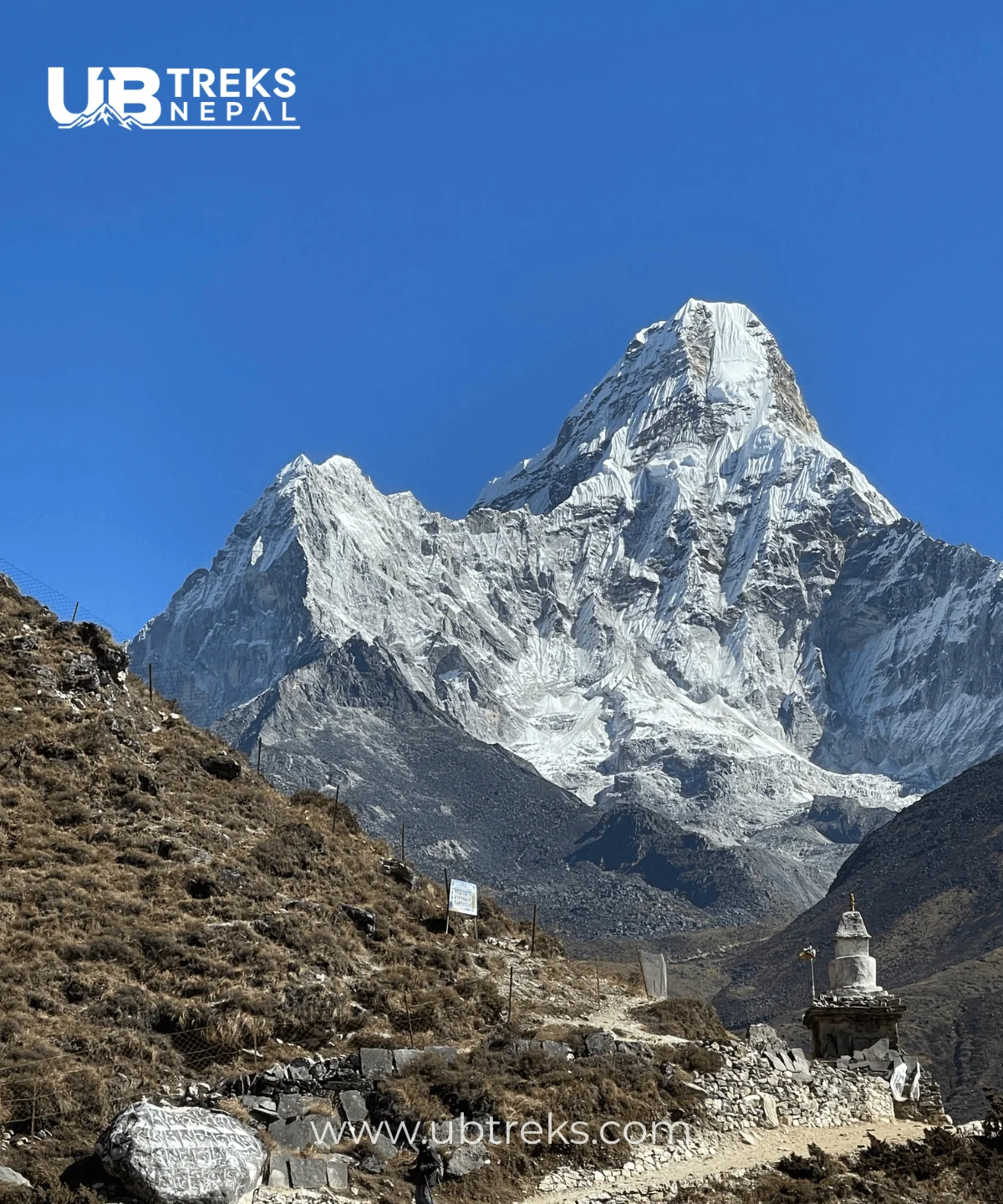
The Everest Base Camp (EBC) trek is one of the most iconic adventures in the world. Every year, thousands of travelers from across the globe embark on this journey to experience the majesty of the Himalayas, the rich Sherpa culture, and the thrill of standing at the gateway to the world’s highest peak, Mount Everest. This guide will take you through everything you need to know about the Everest Base Camp trek, from preparation to the best time to visit, packing tips, and what to expect on the trail.
Why Choose the Everest Base Camp Trek?
Everest Base Camp is more than just a trek; it’s an adventure of a lifetime. The trail offers breathtaking views of towering peaks, glaciers, and deep valleys. Trekking to EBC allows travelers to immerse themselves in the culture of the Sherpa people, explore ancient monasteries, and witness some of the world’s most famous mountains up close, including Ama Dablam, Lhotse, and Nuptse.
This trek is suitable for those with a moderate level of fitness and a love for nature. While challenging, the route is well-established with lodges and teahouses along the way, making it accessible for many hikers.
Best Time to Trek to Everest Base Camp
Timing is crucial for a successful EBC trek. The two most popular seasons are:
- Spring (March to May): Spring offers clear skies, moderate temperatures, and rhododendron blooms. It’s an excellent time for photography and wildlife spotting.
- Autumn (September to November): Autumn provides the clearest views, stable weather, and vibrant landscapes after the monsoon season.
Winter (December to February) is cold, with limited services along the trail, while summer (June to August) coincides with the monsoon, making trails slippery and views obscured by clouds.
Preparation and Fitness
Physical preparation is key to enjoying the trek. Though you don’t need to be a professional athlete, good cardiovascular fitness, leg strength, and stamina will make the journey much easier. Some recommended exercises include:
- Cardio workouts: Running, cycling, or swimming to build endurance.
- Strength training: Focus on legs and core with squats, lunges, and planks.
- Hiking practice: Take weekend hikes with a loaded backpack to simulate trek conditions.
Mental preparation is equally important. The trek involves long days of walking, high-altitude challenges, and variable weather conditions. Preparing mentally helps you stay positive and adapt to unexpected situations.
Trek Itinerary and Highlights
The typical Everest Base Camp trek lasts around 12 to 14 days, though it can be extended for acclimatization or side trips. Here’s a sample itinerary:
Day 1: Arrival in Kathmandu
Most treks begin in Kathmandu, the capital of Nepal. Take time to explore the city, visit Durbar Square, Boudhanath Stupa, and Pashupatinath Temple. Check your gear, meet your guides, and get a briefing for the trek ahead.
Day 2: Fly to Lukla and Trek to Phakding
A short but exhilarating flight from Kathmandu to Lukla introduces you to Himalayan vistas. The trek begins gently as you follow the Dudh Koshi River to Phakding, passing suspension bridges and pine forests.
Day 3: Phakding to Namche Bazaar
The trail becomes steeper as you approach Namche Bazaar, the bustling hub of the Khumbu region. Acclimatization is essential here, so explore the village, visit local markets, and enjoy the view of Everest and Ama Dablam.
Day 4: Acclimatization Day in Namche Bazaar
Take this day to hike to Everest View Hotel or the nearby villages to help your body adjust to altitude. Short hikes and resting are crucial to prevent altitude sickness.
Day 5: Namche Bazaar to Tengboche
The trek continues through forests and past monasteries. Tengboche is famous for its monastery, offering panoramic views of Everest, Lhotse, and Ama Dablam.
Day 6: Tengboche to Dingboche
The trail climbs higher, passing fields, rivers, and small villages. Dingboche sits at a higher altitude, providing spectacular views of peaks like Island Peak and Lhotse.
Day 7: Acclimatization in Dingboche
Another acclimatization day helps prevent altitude sickness. Hike to Nagarjun Hill or nearby viewpoints for breathtaking vistas.
Day 8: Dingboche to Lobuche
Trekking past memorials of climbers, the path gradually becomes rocky and rugged. Lobuche serves as a base for the final push to EBC.
Day 9: Lobuche to Everest Base Camp
The most anticipated day arrives. Trek over the Khumbu Glacier, with panoramic views of Everest, Nuptse, and Pumori. Reaching Base Camp is a momentous achievement. Spend time taking photos and soaking in the atmosphere before returning to Gorak Shep.
Day 10: Gorak Shep to Kala Patthar and Descend to Pheriche
Early morning hike to Kala Patthar offers the best sunrise view of Everest. Afterward, descend to Pheriche, reflecting on the unforgettable scenery.
Days 11-12: Trek Back to Lukla
Retrace your steps back to Lukla, enjoying the trail with a sense of accomplishment.
Day 13: Fly to Kathmandu
Fly back to Kathmandu, celebrating the successful completion of the trek with your team.
Day 14: Departure
Use the final day for rest, shopping, or sightseeing before departing Nepal.
Essential Gear and Packing Tips
Packing light yet adequately prepared is crucial. Essentials include:
- Clothing: Thermal base layers, fleece jackets, down jackets, waterproof pants, and gloves.
- Footwear: Sturdy, broken-in trekking boots and good socks.
- Accessories: Sunglasses, hat, trekking poles, and a headlamp.
- Health: Sunscreen, water purification tablets, altitude sickness medication, first aid kit.
- Backpack: A daypack for essentials, and a larger bag for gear transported by porters.
Layering is key to staying comfortable, as temperatures can vary from below freezing to mild warmth during the day.
Altitude and Safety Considerations
The Everest Base Camp trek reaches altitudes of over 5,300 meters (17,600 feet). Acute Mountain Sickness (AMS) is a concern, and it’s important to recognize the symptoms: headaches, nausea, dizziness, and shortness of breath. Prevention tips include:
- Gradual ascent with acclimatization days.
- Staying hydrated and avoiding alcohol.
- Listening to your body and descending if symptoms worsen.
Hiring an experienced guide or joining a reputable trekking company like UB Treks Nepal ensures safety and support throughout the trek.
Accommodation and Food
Along the trail, teahouses provide basic accommodation, warm meals, and a place to rest. Rooms are usually shared, with simple bedding. Popular meals include dal bhat (lentil soup with rice), noodles, and soups. Carry snacks like energy bars and nuts for long trekking days.
Cultural Experiences
The Khumbu region is home to the Sherpa people, renowned for their mountaineering heritage. Visit monasteries, participate in local festivals, and interact with villagers to gain insight into their traditions. Photography is welcomed, but always ask permission before taking pictures of people.
Cost of the Trek
The cost of the Everest Base Camp trek varies depending on the level of service, group size, and travel style. Typical expenses include:
- Flights (Kathmandu to Lukla round trip).
- Trekking permits (TIMS card and Sagarmatha National Park entry).
- Accommodation and meals along the trail.
- Guide and porter services.
- Gear and personal expenses.
Using a reliable operator like UB Treks Nepal ensures fair pricing, safety, and a well-organized itinerary.
Tips for a Memorable Trek
- Take it slow: Don’t rush, especially at higher altitudes.
- Stay hydrated: Drink at least 3 liters of water daily.
- Pack smart: Bring layers, snacks, and essentials for changing conditions.
- Respect the culture: Learn a few basic Nepali phrases and follow local customs.
- Photography: Capture the landscapes but also enjoy the moment without your camera.
Conclusion
The Everest Base Camp trek is an adventure that challenges the body, inspires the soul, and offers memories that last a lifetime. From trekking through lush forests and vibrant Sherpa villages to standing at the foot of the world’s highest peak, the journey is unforgettable. With proper preparation, the right guide, and a spirit of adventure, anyone with moderate fitness can experience this iconic trek.
Embarking on the Everest Base Camp trek with UB Treks Nepal ensures expert guidance, well-planned logistics, and support every step of the way. Whether it’s your first high-altitude trek or a repeat adventure in the Himalayas, EBC is a bucket-list experience that deserves careful planning and wholehearted participation.
Everest Base Camp Trek FAQs
1. How difficult is the Everest Base Camp trek?
The trek is considered moderate to challenging. It requires good fitness, stamina, and the ability to handle long days of walking at high altitude. Proper acclimatization and pacing are essential to prevent altitude sickness.
2. How long does it take to complete the trek?
Most itineraries take 12 to 14 days, including flights to and from Lukla, acclimatization days, and the return journey. Some trekkers extend the trip to explore side valleys or take extra rest days.
3. What is the best time to trek to Everest Base Camp?
The ideal seasons are spring (March to May) and autumn (September to November). Spring offers rhododendron blooms and mild weather, while autumn provides clear skies and spectacular mountain views.
4. Do I need a guide or porter for the trek?
Hiring a guide or porter is recommended for safety, navigation, and support with luggage. Experienced guides also provide cultural insights and assist with acclimatization and medical emergencies.
5. What permits are required for Everest Base Camp?
Trekking to EBC requires two permits: the Sagarmatha National Park Entry Permit and the TIMS (Trekkers’ Information Management System) card. Your trekking company usually arranges these.
6. What kind of accommodation is available along the trail?
Teahouses and lodges are available at every stop along the route, offering shared rooms with basic bedding, meals, and hot drinks. Some higher-altitude stops have limited facilities, so comfort decreases as you go higher.7. Can anyone do the Everest Base Camp trek?
While the trek is achievable for those with moderate fitness, it is not suitable for individuals with severe medical conditions or those unable to walk long distances at high altitude. Age is less of a factor than physical preparedness and altitude adaptability.