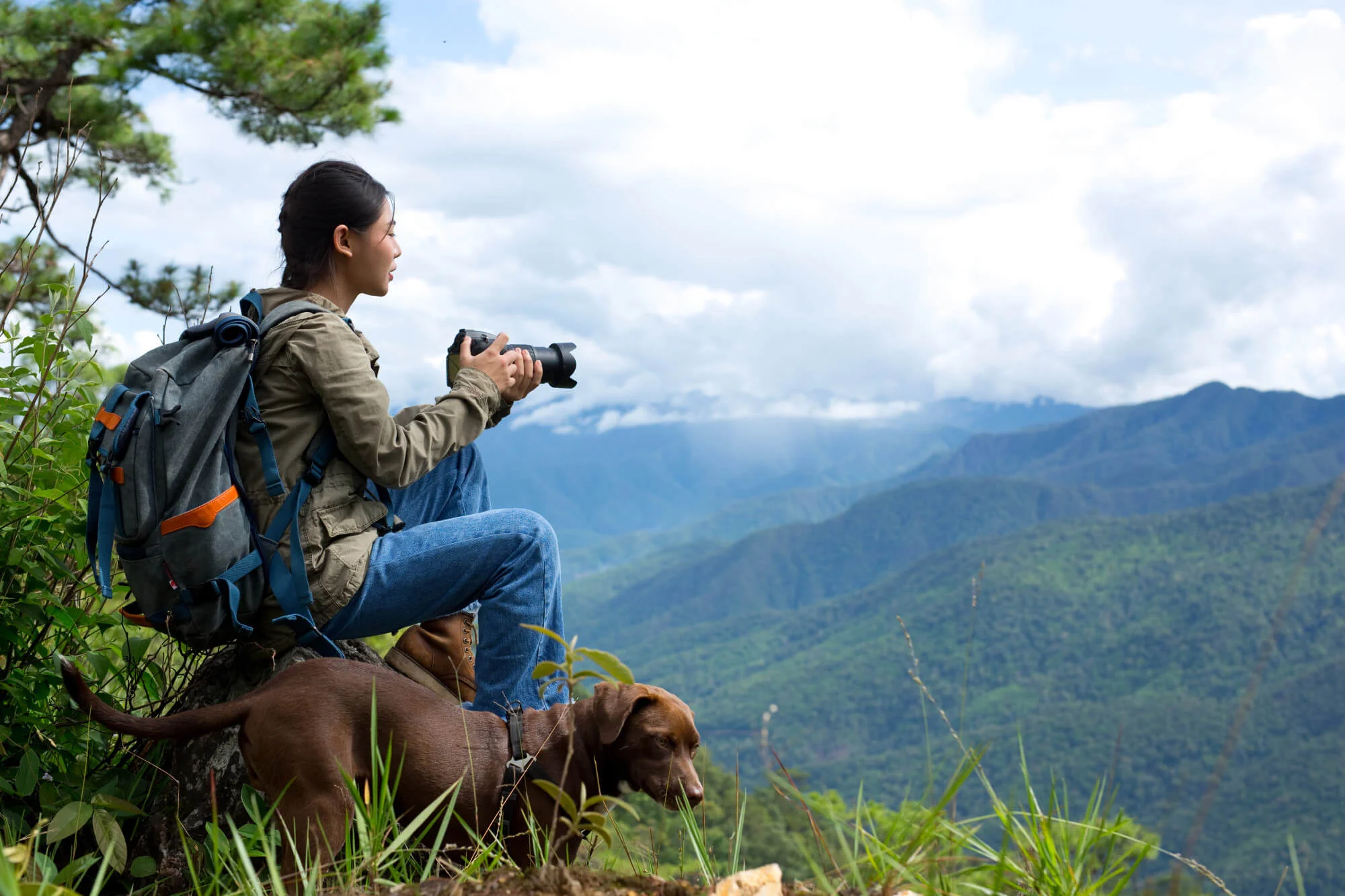

Nepal is one of the world’s most iconic trekking destinations, drawing adventurers from every corner of the globe. While there are many ways to explore the Himalayas, tea house trekking stands out as the most popular and accessible option. If you’re planning your first Himalayan journey or considering Nepal for your next adventure, understanding how tea house trekking works will help you prepare better and enjoy the experience fully.
This guide covers everything you need to know about tea house trekking in Nepal, from accommodation and food to cultural experiences and practical tips.
What is Tea House Trekking?
Tea house trekking refers to a style of trekking where hikers stay in small lodges or guesthouses along the trail instead of camping. These tea houses are run by local families and provide basic accommodation, meals, and a place to rest.
Unlike fully supported camping treks, tea house trekking allows you to travel lighter and experience local hospitality more directly. Popular routes like the Everest Base Camp Trek, Annapurna Circuit, and Langtang Valley Trek are well-developed with tea houses at regular intervals.
Accommodation: Simple but Comfortable
Tea houses offer basic but cozy accommodation. Typically, you can expect:
- Twin-sharing rooms with wooden beds
- Thin mattresses, pillows, and blankets
- Shared bathrooms (sometimes outside the building)
- Limited or no heating in rooms
At lower altitudes, tea houses may feel quite comfortable, with better facilities and even attached bathrooms in some places. As you climb higher, the facilities become more basic.
It’s a good idea to carry a sleeping bag, especially in colder regions. Even though blankets are provided, temperatures can drop significantly at night.
Food and Drinks: Hearty and Filling
One of the highlights of tea house trekking is the food. While the menu may look similar across different regions, meals are designed to provide energy for long trekking days.
Common food options include:
- Dal Bhat (rice, lentils, vegetables, and pickles)
- Noodles and pasta
- Fried rice
- Soups
- Pancakes and porridge for breakfast
- Eggs and toast
Dal Bhat is the most popular meal because it is nutritious and often comes with free refills. It’s a staple for trekkers and locals alike.
Drinks available include:
- Tea (black, milk, ginger, lemon, etc.)
- Coffee
- Hot chocolate
- Bottled or boiled water
As you go higher, food prices increase due to transportation challenges.
The Daily Routine on a Tea House Trek
A typical day during a tea house trek follows a predictable rhythm:
Morning:
You wake up early, have breakfast, and begin trekking around 7–8 AM. Mornings offer the best weather and clear mountain views.
Midday:
After a few hours of walking, you stop for lunch at a tea house along the trail.
Afternoon:
You continue trekking for a few more hours until you reach your destination for the day.
Evening:
You relax, socialize with fellow trekkers, enjoy dinner, and go to bed early.
The pace is generally moderate, allowing you to enjoy the scenery and adjust to altitude.
Cultural Experience: More Than Just a Trek
Tea house trekking is not just about mountains. It’s also about connecting with the people and culture of Nepal.
As you move through villages, you’ll encounter diverse ethnic groups such as Sherpas, Gurungs, and Tamangs. Each community has its own traditions, architecture, and way of life.
You’ll also see:
- Buddhist monasteries and prayer flags
- Mani walls and chortens
- Local farming practices
- Traditional lifestyles
Staying in tea houses gives you a chance to interact with locals and learn about their daily lives.
Popular Tea House Trekking Routes
Nepal offers several well-established tea house trekking routes. Some of the most popular include:
1. Everest Base Camp Trek
A classic trek that takes you to the foot of the world’s highest mountain. Expect breathtaking views, Sherpa culture, and iconic landmarks like Namche Bazaar.
2. Annapurna Circuit Trek
A diverse trek featuring lush valleys, alpine landscapes, and the famous Thorong La Pass.
3. Annapurna Base Camp Trek
A shorter option with incredible mountain views and a direct approach to the Annapurna massif.
4. Langtang Valley Trek
Less crowded but equally beautiful, offering a mix of culture and nature.
Cost of Tea House Trekking
Tea house trekking is relatively affordable compared to other trekking styles. However, costs vary depending on the region and your preferences.
Typical expenses include:
- Accommodation: $5–$15 per night
- Meals: $15–$30 per day
- Permits: $20–$50 depending on the region
- Guide/porter (optional but recommended)
Higher altitudes mean higher prices due to transportation challenges.
Facilities and Connectivity
Tea houses provide essential facilities, but they are basic.
Electricity:
Available in most places, but you may need to pay to charge devices.
Wi-Fi:
Available in some tea houses, especially in popular routes, but it can be slow and unreliable.
Hot showers:
Usually available for an extra fee.
Toilets:
Mostly shared and can range from Western-style to squat toilets.
Altitude and Acclimatization
One of the most important aspects of trekking in Nepal is dealing with altitude.
As you ascend, the air becomes thinner, and your body needs time to adjust. To avoid altitude sickness:
- Ascend gradually
- Take rest days
- Stay hydrated
- Avoid alcohol
Most itineraries include acclimatization days, especially on routes like Everest Base Camp.
Best Time for Tea House Trekking
The best seasons for tea house trekking in Nepal are:
Spring (March to May):
- Blooming rhododendrons
- Clear skies
- Moderate temperatures
Autumn (September to November):
- Stable weather
- Excellent mountain views
- Peak trekking season
Winter and monsoon treks are possible but come with challenges like cold temperatures and heavy rainfall.
What to Pack
Packing smart is essential for a comfortable trek.
Key items include:
- Comfortable trekking boots
- Warm clothing (layers)
- Sleeping bag
- Water bottle and purification tablets
- Sunscreen and sunglasses
- Basic first aid kit
Travel light but ensure you’re prepared for changing weather conditions.
Do You Need a Guide?
While many tea house routes are well-marked, hiring a guide can enhance your experience.
Benefits of a guide:
- Navigation and safety
- Cultural insights
- Assistance in emergencies
- Help with accommodation arrangements
Porters can also carry your heavy bags, allowing you to trek comfortably.
Environmental Responsibility
With the growing popularity of trekking, it’s important to minimize your environmental impact.
Follow these practices:
- Avoid single-use plastics
- Carry reusable water bottles
- Dispose of waste properly
- Respect local culture and traditions
Sustainable trekking helps preserve Nepal’s natural beauty for future generations.
Conclusion
Tea house trekking in Nepal offers a perfect balance of adventure, comfort, and cultural immersion. It allows you to explore the majestic Himalayas without the complexity of camping logistics while enjoying the warmth of local hospitality.
Whether you’re trekking to Everest Base Camp or exploring quieter trails like Langtang, the tea house experience adds a unique charm to your journey. With proper preparation and the right mindset, it can become one of the most memorable adventures of your life.
FAQs
1. What is the difference between tea house trekking and camping trekking?
Tea house trekking involves staying in local lodges along the trail, while camping trekking requires carrying tents, food, and camping equipment with a support crew.
2. Is tea house trekking suitable for beginners?
Yes, many routes like Annapurna Base Camp and Langtang Valley are beginner-friendly with proper preparation and pacing.
3. Do I need to book tea houses in advance?
During peak seasons, it’s recommended to book in advance, especially on popular routes. Otherwise, you can usually find accommodation on arrival.
4. Is Wi-Fi available during tea house trekking?
Wi-Fi is available in many tea houses but can be slow and unreliable, especially at higher altitudes.
5. Can I trek solo in Nepal?
Solo trekking is possible on some routes, but recent regulations may require a guide in certain regions. It’s best to check current rules before planning.
6. How safe is tea house trekking in Nepal?
Tea house trekking is generally safe, but risks like altitude sickness and weather changes exist. Proper planning and awareness are important.
7. What is the best route for first-time trekkers?
Annapurna Base Camp and Langtang Valley are excellent choices for beginners due to their moderate difficulty and well-established tea house networks.
