

Trip Info
-
Bus, Airlines
-
3 Star Hotel
-
Kathmandu
-
Feb-May
-
Eco-Tour
-
All meals during trek
-
English, Chinese, Spanish
-
Easy to Moderate
-
2-15
-
15
-
65
The Renjo La Pass Trek is one of the most scenic and rewarding routes in the Everest region, offering a perfect blend of high mountain adventure, cultural immersion, and relative solitude. Often considered a quieter alternative to the classic Everest Base Camp trek, this route takes you through the stunning Gokyo Valley and across the dramatic Renjo La Pass, one of the three major high passes in the Khumbu region. With sweeping views of Everest, pristine alpine lakes, and less crowded trails, it delivers a more balanced and immersive Himalayan experience.
The journey typically begins with a flight from Kathmandu to Lukla, a small mountain airstrip perched high in the hills. From Lukla, the trail follows the Dudh Koshi River through villages like Phakding, gradually introducing trekkers to the terrain and culture of the Khumbu region. Suspension bridges draped with prayer flags, spinning prayer wheels, and mani stones etched with Buddhist mantras line the route, setting a spiritual tone early in the trek.
The first major milestone is Namche Bazaar, the bustling heart of the Everest region. Built into a natural amphitheater, Namche is both a trading hub and a key acclimatization stop. Trekkers usually spend an extra day here to adjust to the altitude, with short hikes to nearby viewpoints offering the first glimpses of Everest and other towering peaks. The town itself is lively, with cafes, bakeries, and gear shops, providing a comfortable pause before heading deeper into the mountains.
From Namche, the Renjo La route diverges from the busier Everest Base Camp trail. Instead of heading toward Tengboche, the path moves northwest toward the quieter Thame Valley. This section is noticeably less crowded and feels more traditional, with fewer trekkers and a stronger sense of local life. Villages like Thame are rich in Sherpa culture and history, and the landscape becomes more open as you move higher.
As the trek progresses, the environment transitions from forested trails to rugged alpine terrain. The air becomes thinner, and the pace naturally slows. Careful acclimatization is essential, and the itinerary typically includes rest or short hiking days to help the body adjust. The trail gradually leads toward the Gokyo Valley, one of the most beautiful areas in the Everest region.
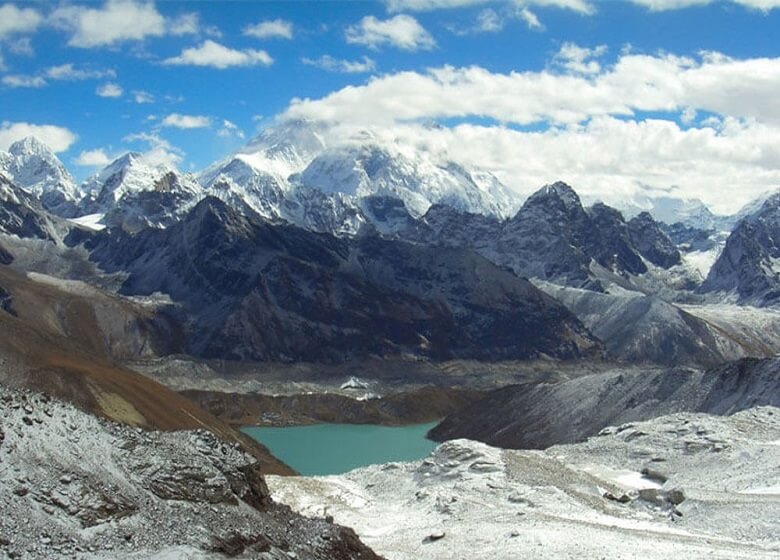
The Gokyo Lakes are a highlight in themselves. These turquoise glacial lakes, set against a backdrop of snow-covered peaks, create a striking and almost surreal landscape. The main settlement, Gokyo village, sits beside one of the largest lakes and serves as a base for exploration. A hike up Gokyo Ri, a nearby viewpoint, is often considered one of the best vantage points in the entire Everest region. From the top, you can see Everest, Lhotse, Makalu, and Cho Oyu, along with the vast Ngozumpa Glacier, the longest glacier in Nepal.
The crossing of Renjo La Pass is the defining moment of the trek. At an altitude of around 5,360 meters, it is a challenging but achievable ascent for well-acclimatized trekkers. The climb is steep and often starts early in the morning to take advantage of stable weather conditions. Reaching the top is a powerful experience. Colorful prayer flags mark the summit, and the panoramic views stretch across the Himalayan range, including Everest and the Gokyo Lakes below. The descent on the other side is equally dramatic, leading into a remote and less-traveled valley.
One of the unique aspects of the Renjo La Pass Trek is the sense of variety it offers. Unlike routes that follow a single out-and-back path, this trek forms a loop, allowing you to experience different landscapes and villages throughout the journey. The trail after the pass leads toward villages like Lungden and back toward Namche, reconnecting with familiar paths while still offering fresh perspectives.
Culturally, the trek provides rich insights into Sherpa life and Tibetan Buddhist traditions. Monasteries, chortens, and prayer flags are present throughout the journey, reflecting the deep spiritual connection between the people and the mountains. The quieter villages along the Renjo La route offer more authentic interactions, as they see fewer trekkers compared to the main Everest trail.
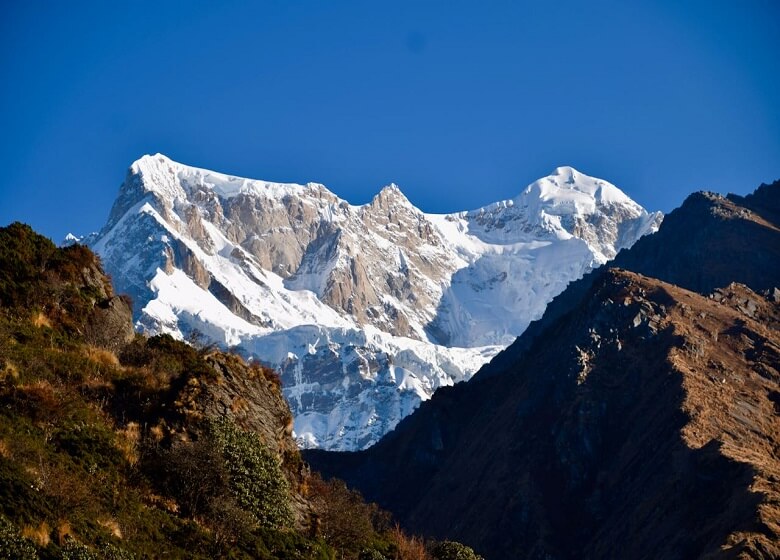
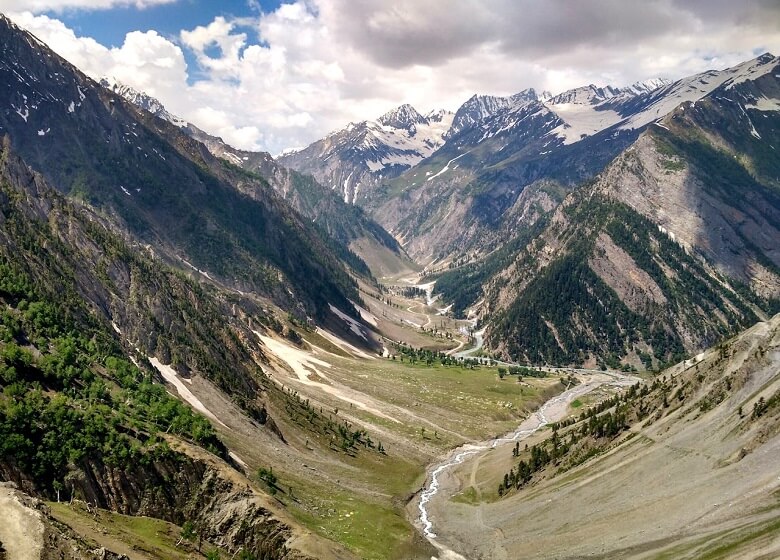
The natural beauty of the trek is constantly changing. Lower sections are filled with forests of pine and rhododendron, while higher elevations reveal barren landscapes shaped by wind and ice. Wildlife such as Himalayan tahr and various bird species can sometimes be spotted, particularly in less crowded areas. The combination of lakes, glaciers, and towering peaks creates a diverse and visually rich experience.
In terms of difficulty, the Renjo La Pass Trek is considered moderate to challenging. The high altitude, especially at the pass, requires good physical fitness and proper acclimatization. However, the trek does not involve technical climbing, making it accessible to trekkers with some experience and preparation. The rewards are well worth the effort, particularly for those seeking a less crowded yet equally spectacular alternative to the Everest Base Camp route.
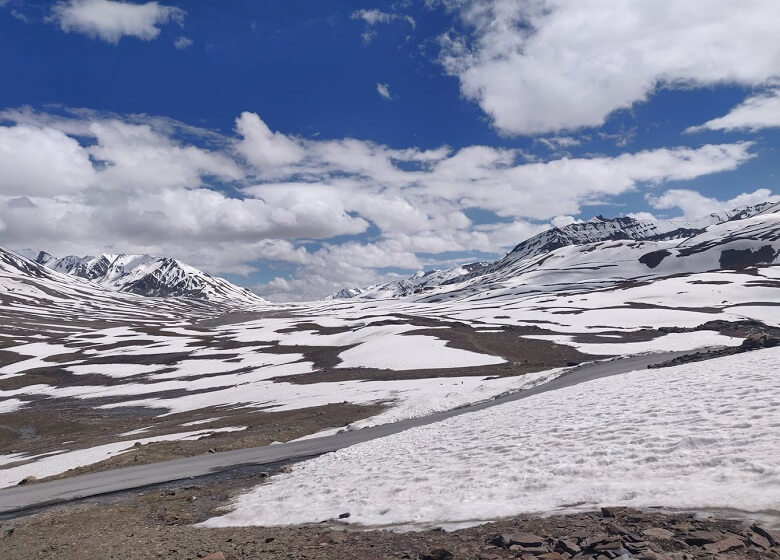
The best times to undertake the trek are during spring and autumn, when the weather is generally stable and visibility is at its best. Clear skies enhance the mountain views, and the conditions are more favorable for crossing high passes. Winter treks are possible but can be more demanding due to snow and cold temperatures, while the monsoon season brings rain and limited visibility.
Accommodation along the route is typically in teahouses, which provide basic but comfortable lodging and meals. The hospitality of the local people adds warmth to the journey, and the simplicity of life in the mountains often becomes part of the trek’s appeal.
The Renjo La Pass Trek is not just about reaching a high point or checking off a destination. It is about the journey through varied landscapes, the gradual connection with altitude, and the quiet moments in places that feel far removed from everyday life. Standing at the top of the pass, looking out over a vast expanse of mountains and lakes, you gain a sense of perspective that is difficult to find elsewhere.
For those who want to experience the Everest region beyond the usual routes, the Renjo La Pass Trek offers something special. It combines the grandeur of the Himalayas with a sense of solitude and discovery, making it one of the most fulfilling trekking experiences in Nepal.
Trip Highlights
- Crossing Renjo La Pass (5,360 m)
- Stunning Gokyo Lakes
- Gokyo Ri viewpoint
- Less crowded trails
- Traditional Sherpa villages
- Namche Bazaar stopover
- Diverse landscapes
- Ngozumpa Glacier views
- Rich Buddhist culture
- Loop-style trekking experience


