

Trip Info
-
Bus, Airline
-
3 Star hotel
-
Kathmandu
-
Feb-May
-
Eco-tour
-
All meal during trek
-
English, Spanish, Chinese
-
Easy to moderate
-
2-15
-
15
-
65
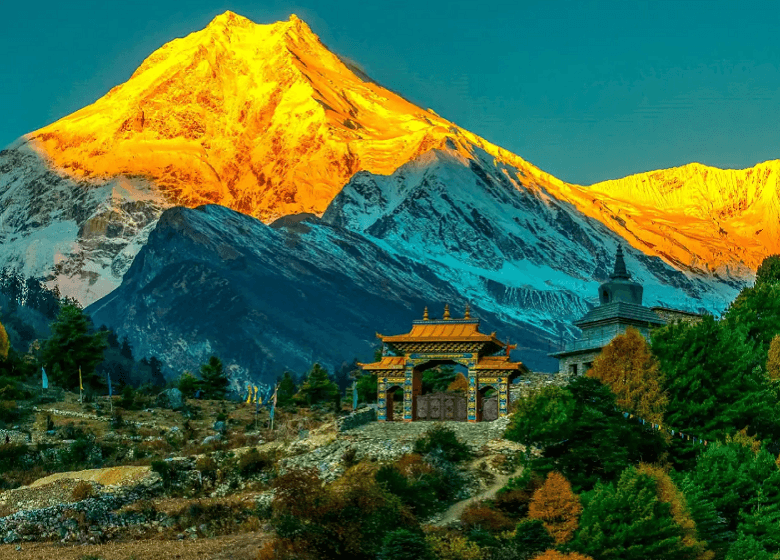
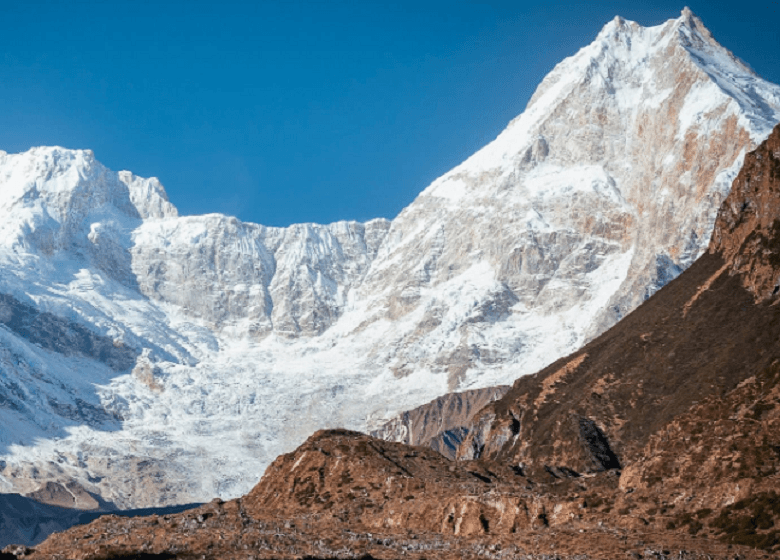
The Manaslu Circuit Trek is one of Nepal’s most spectacular and rewarding trekking experiences, offering a perfect blend of remote wilderness, cultural richness, and dramatic Himalayan scenery. Circling Mount Manaslu, the world’s eighth-highest peak at 8,163 meters, this trek provides an alternative to the more crowded Annapurna and Everest regions while delivering equally breathtaking views and a deeper sense of isolation. Located in the Gorkha district of Nepal, near the border with Tibet, the Manaslu region remains relatively untouched, preserving its natural beauty and traditional way of life.
The journey typically begins with a drive from Kathmandu to Soti Khola or Machha Khola, marking the starting point of the trek. The drive itself is an adventure, winding through hills, rivers, and rural landscapes that gradually transition from urban bustle to remote countryside. From the trailhead, trekkers follow the Budhi Gandaki River, crossing suspension bridges and navigating narrow paths carved into cliffs. The early part of the trek passes through subtropical forests, terraced farmland, and small villages inhabited by Gurung communities, offering a warm introduction to local culture.
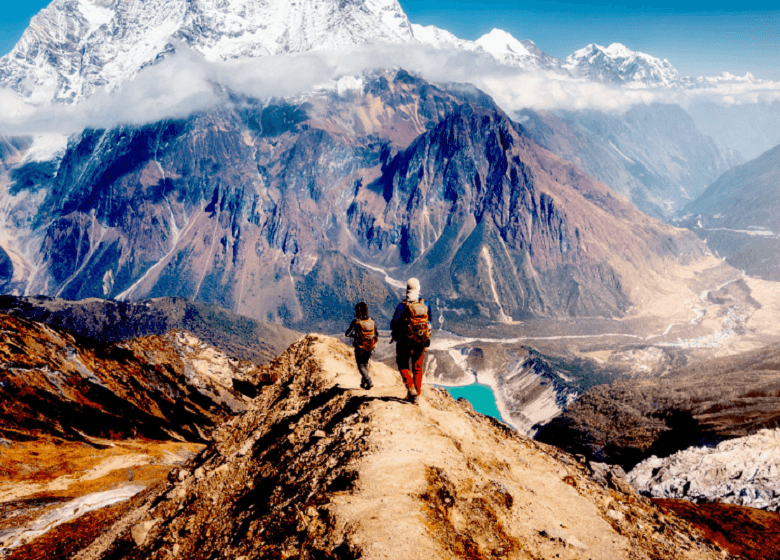
As the trek progresses, the landscape changes dramatically. The lower elevations are lush and green, filled with bamboo forests, waterfalls, and fertile fields. Villages such as Jagat, Deng, and Namrung provide opportunities to rest and interact with locals, many of whom maintain traditional lifestyles shaped by agriculture and trade. The trail gradually ascends, and with each day, the environment becomes more rugged and alpine. The shift in scenery is one of the defining features of the Manaslu Circuit, keeping the journey dynamic and visually engaging.
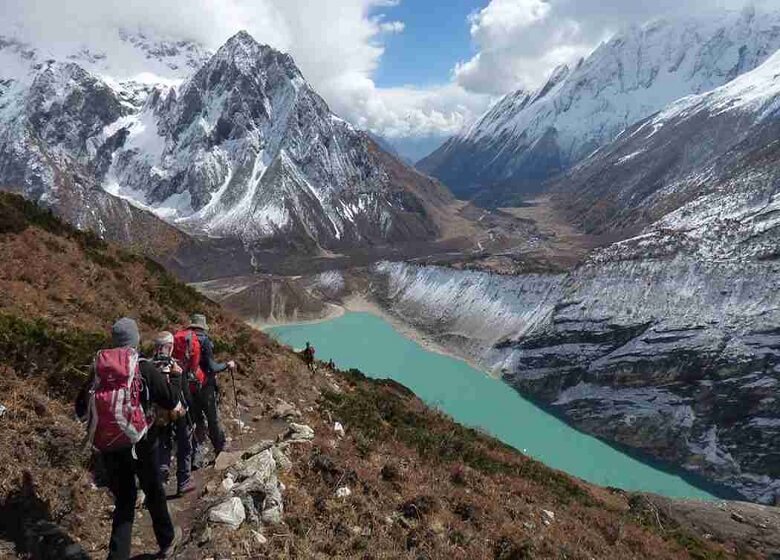
Culturally, the Manaslu region is deeply influenced by Tibetan Buddhism. As trekkers move higher into villages like Lho, Samagaun, and Samdo, the architecture, language, and customs reflect strong Tibetan heritage. Monasteries, mani walls, prayer flags, and chortens are common along the trail, creating a spiritual atmosphere that enriches the trekking experience. Samagaun, one of the largest villages on the route, is a highlight where trekkers often spend an extra day acclimatizing. This village offers opportunities to visit nearby monasteries, explore Birendra Lake, or hike toward Manaslu Base Camp for closer views of the mountain.
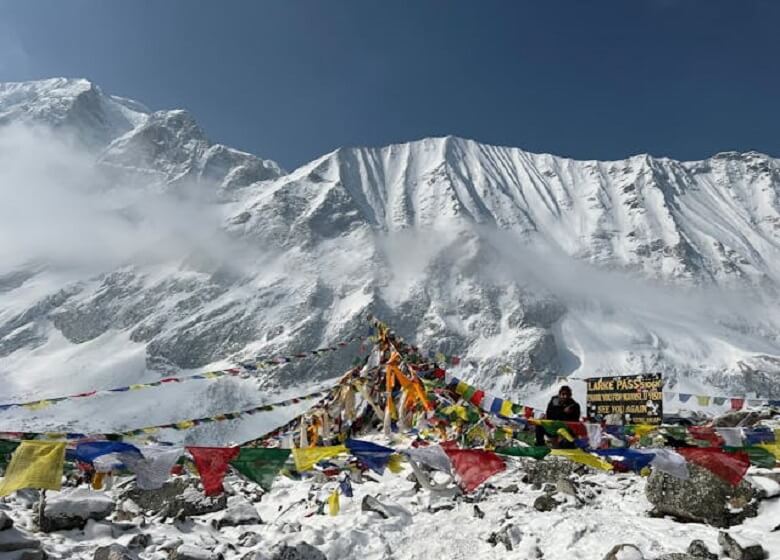
One of the most challenging and rewarding aspects of the trek is crossing the Larkya La Pass, which stands at an elevation of 5,160 meters. This high mountain pass is the highest point of the trek and requires careful acclimatization and preparation. The ascent to the pass begins early in the morning, often under cold and windy conditions. The trail winds through glacial terrain, rocky paths, and sometimes snow-covered sections, depending on the season. Reaching the top of Larkya La is a moment of triumph, offering panoramic views of Himlung Himal, Cheo Himal, Kang Guru, and Annapurna II. The descent from the pass is equally dramatic, leading into the Manang district and connecting with the Annapurna region.
The natural beauty along the Manaslu Circuit is diverse and awe-inspiring. From subtropical forests and cascading waterfalls to high-altitude deserts and glacial valleys, the trek showcases a wide range of ecosystems. Wildlife enthusiasts may encounter Himalayan animals such as blue sheep, marmots, and even the elusive snow leopard, although sightings are rare. The region is also home to numerous bird species, making it appealing for nature lovers.
Accommodation along the Manaslu Circuit has improved significantly in recent years, with tea houses available in most villages. These lodges provide basic but comfortable rooms, along with meals that typically include Nepali staples like dal bhat, as well as Tibetan-inspired dishes such as noodles and soups. While facilities are simpler compared to more developed trekking routes, the hospitality of local hosts adds warmth and authenticity to the experience.
The trek usually takes around 14 to 18 days to complete, depending on the itinerary and pace. Due to its remote location and the requirement for special permits, the Manaslu Circuit is considered a restricted area. Trekkers must travel with a registered guide and obtain permits such as the Manaslu Restricted Area Permit, Manaslu Conservation Area Permit (MCAP), and Annapurna Conservation Area Permit (ACAP). These regulations help preserve the region’s environment and cultural heritage while ensuring safety for visitors.
Weather conditions play an important role in planning the trek. The best seasons are spring (March to May) and autumn (September to November), when the weather is stable, skies are clear, and mountain views are at their best. Spring brings blooming rhododendrons and warmer temperatures, while autumn offers crisp air and excellent visibility. Winter can be extremely cold, with heavy snowfall making the Larkya La Pass difficult or impassable, while the monsoon season brings rain, landslides, and limited visibility.
The Manaslu Circuit Trek is considered moderately to highly challenging, requiring good physical fitness and mental endurance. Daily trekking involves 5 to 8 hours of walking, often on uneven terrain with significant elevation gain. Proper acclimatization is essential to minimize the risk of altitude sickness, especially before crossing Larkya La Pass. Preparation should include cardiovascular training, strength exercises, and experience with multi-day hikes if possible.
One of the standout features of the Manaslu Circuit is its sense of remoteness and tranquility. Compared to more popular trekking routes, the trails are less crowded, allowing trekkers to fully immerse themselves in the natural surroundings and local culture. The journey feels more like an expedition, with each day bringing new landscapes, challenges, and discoveries.
The trek also offers a meaningful cultural connection. Interactions with local communities provide insight into their traditions, beliefs, and daily lives. Festivals, if encountered during the trek, add a vibrant dimension to the experience, showcasing traditional music, dance, and rituals. The combination of cultural immersion and natural beauty creates a well-rounded adventure that appeals to both nature lovers and those interested in human heritage.
Safety is an important consideration on the Manaslu Circuit. Due to its remote nature, medical facilities are limited, and evacuation can be costly. Trekkers should carry travel insurance that covers high-altitude trekking and emergency evacuation. A well-equipped first aid kit, proper clothing for varying weather conditions, and reliable gear are essential. Traveling with an experienced guide not only ensures safety but also enhances the overall experience through local knowledge and support.
Trip Highlights
- Trek around Mount Manaslu (8,163m), the world’s eighth-highest peak
- Crossing the challenging Larkya La Pass (5,160m) with stunning Himalayan views
- Spectacular scenery ranging from lush forests to high-altitude alpine landscapes
- Rich cultural experience in Tibetan-influenced villages like Samagaun and Samdo
- Scenic trail along the Budhi Gandaki River with waterfalls and suspension bridges
- Visit to ancient monasteries, mani walls, and prayer-flag-filled mountain passes
- Optional hike to Manaslu Base Camp and Birendra Lake
- Less crowded and more remote compared to Everest and Annapurna treks
- Diverse wildlife including Himalayan blue sheep, marmots, and rare species
- Unique blend of Manaslu and Annapurna regions in a single trekking route


