

Trip Info
-
Bus, Airline
-
3 Star hotel
-
Kathmandu
-
Feb-May
-
Eco-tour
-
All meal during trek
-
English, Spanish, Chinese
-
Easy to moderate
-
2-15
-
15
-
65
The Lower Dolpo Trek is one of Nepal’s most captivating and culturally rich trekking experiences, offering an extraordinary combination of remote Himalayan landscapes, traditional Tibetan-influenced villages, and the chance to explore a less-traveled region of the Himalayas. Unlike the Upper Dolpo region, which is extremely high and rugged, the Lower Dolpo area is more accessible, yet it retains the same sense of remoteness and untouched natural beauty. Situated in the far-western part of Nepal, this region lies within the Shey Phoksundo National Park and is a gateway to the high Dolpo plateau, presenting trekkers with an extraordinary journey through valleys, rivers, cliffs, and sacred villages.
The trek usually begins with a flight from Kathmandu to Nepalgunj, followed by a short domestic flight to Juphal, the main gateway to Dolpo. The flight itself is a scenic adventure, offering stunning aerial views of the Himalayas, including glimpses of the Annapurna and Dhaulagiri ranges, and the deep valleys of western Nepal. Upon landing in Juphal, trekkers begin their journey into the Lower Dolpo region, often starting along the Thuli Bheri River valley. This approach provides a gentle acclimatization while allowing travelers to experience the lush landscapes and small villages of the lower altitudes before ascending into more rugged and high-altitude terrain.
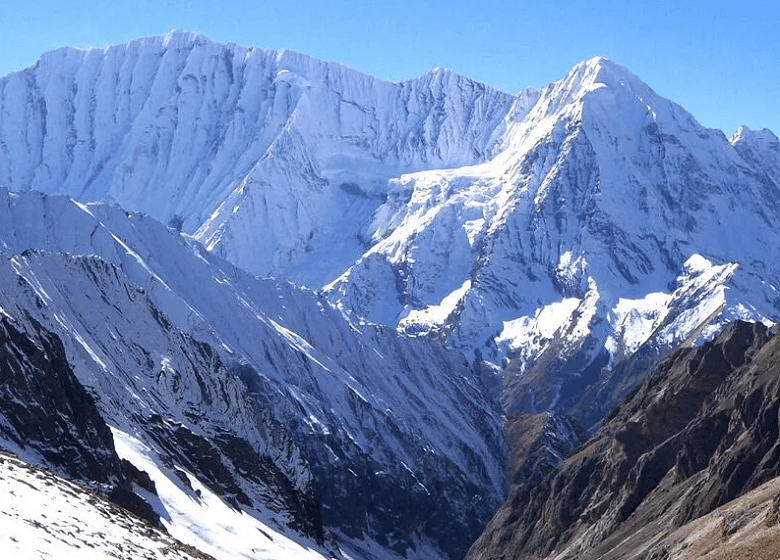
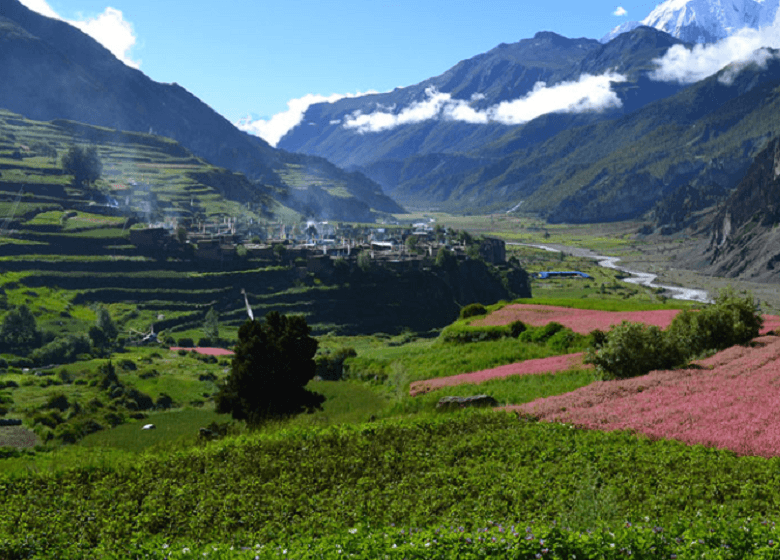
The Lower Dolpo Trek is unique for its dramatic and diverse landscapes. The initial days of the trek pass through forests of pine, rhododendron, and juniper, with occasional terraced fields and settlements scattered along the riverbanks. The area is known for its biodiversity, including langurs, Himalayan black bears, and a variety of bird species. As trekkers progress, the terrain gradually becomes more alpine and arid, with rolling highland plains, narrow gorges, and deep river valleys. The trails often traverse steep ridges and rocky cliffs, providing continuous scenic vistas of the surrounding Himalayas. The combination of green valleys, rugged cliffs, and open plateaus offers a visual diversity that few other trekking regions in Nepal can match.
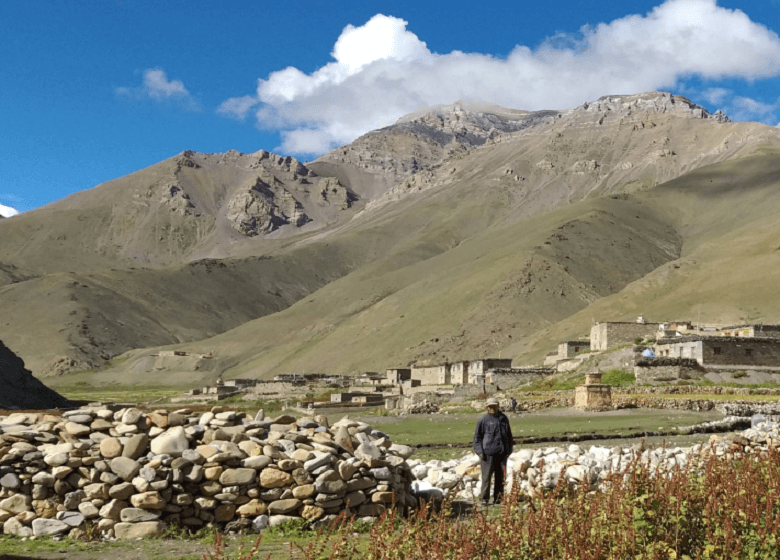
One of the defining features of the Lower Dolpo Trek is its cultural richness. The region is predominantly inhabited by the Dolpo-pa people, who have maintained their Tibetan-influenced culture, language, and religious practices for centuries. The villages along the trail, such as Mukot, Ringmo, and Dunai, are built in traditional stone and mud architecture, often adorned with prayer flags, chortens, and mani walls. These settlements serve as cultural hubs where trekkers can witness the daily life of the Dolpo-pa people, from yak herding and barley farming to local crafts and religious rituals. Interaction with the locals offers a rare glimpse into a lifestyle that has remained largely unchanged despite the pressures of modernization.
Religious and spiritual experiences are central to the Lower Dolpo Trek. Many villages are centered around monasteries or gompas, which serve as places of worship, learning, and community gathering. Shey Gompa, located in the higher Dolpo region but accessible from the lower valleys with a moderate trek, is a major spiritual site and one of the oldest monasteries in Dolpo. Trekkers often have the opportunity to observe monks in prayer, learn about Buddhist rituals, and explore sacred artifacts and manuscripts. Even in lower-altitude villages, small cliffside monasteries and local chortens are common, providing a deep sense of spirituality throughout the journey.
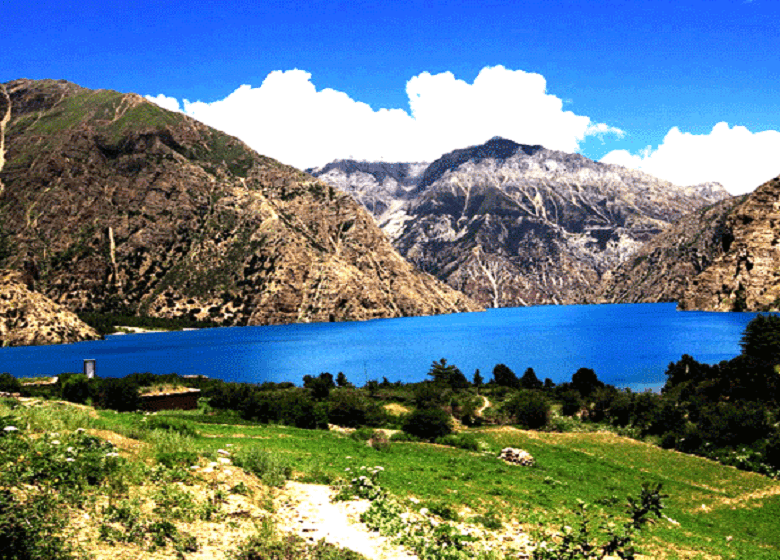
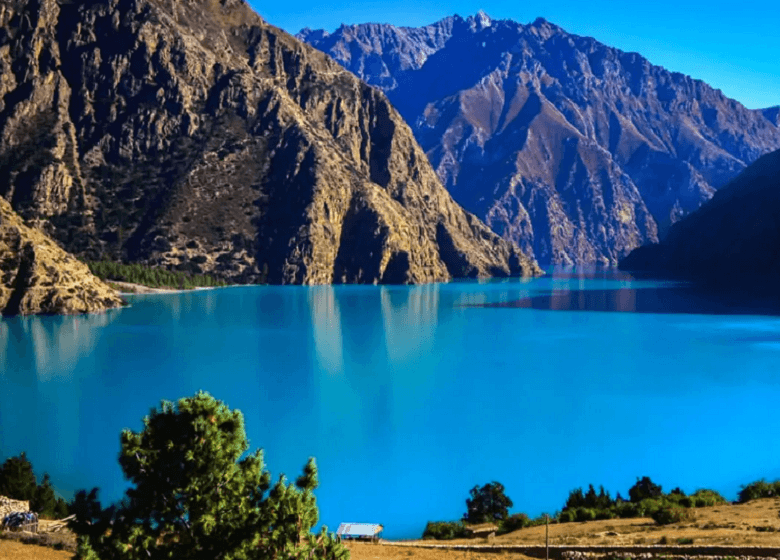
The trek also highlights some of Nepal’s most remarkable natural features. While Upper Dolpo is known for the high-altitude desert and the remote Phoksundo Lake, Lower Dolpo offers more accessible highland landscapes with lush valleys, crystal-clear rivers, waterfalls, and scenic meadows. The Thuli Bheri and Suli Gad rivers carve through the valleys, creating picturesque landscapes with natural bridges, cliffs, and waterfalls. Alpine pastures dotted with yaks provide both cultural and photographic interest. The trek’s moderate altitude—usually ranging from 2,000 to 4,000 meters—makes it more accessible to a broader range of trekkers while still offering the sense of remoteness and adventure associated with the Dolpo region.
Accommodation along the Lower Dolpo Trek is primarily in tea houses, lodges, and homestays. These establishments provide basic but comfortable amenities, including warm meals, shared bathrooms, and communal spaces for relaxation. Meals are typically local, with staples like dal bhat, noodles, bread, and local vegetables. In more remote areas, homestays offer a chance to experience authentic local life, sharing meals with host families and learning about their traditions. Although facilities are simple, the hospitality of the Dolpo-pa people adds significantly to the trekking experience, making the journey both comfortable and culturally enriching.
The trek usually takes around 12 to 15 days, depending on the chosen route and pace. It is considered a moderate trek, suitable for individuals with a reasonable level of fitness and some prior trekking experience. Daily walking hours range from 5 to 7 hours, often on uneven terrain and rocky trails. Although the trek does not reach the extreme altitudes of Upper Dolpo, proper acclimatization and preparation are still important, especially when crossing minor passes and higher valleys.
Permits are required for trekking in the Lower Dolpo region, including the Dolpo Restricted Area Permit and the Shey Phoksundo National Park Permit. Trekkers must also travel with a licensed guide, as solo trekking is not permitted in the restricted areas. These requirements are in place to preserve the environment, protect the local culture, and ensure the safety of travelers. Guides provide invaluable support in navigating trails, interpreting cultural and natural landmarks, and assisting with logistics in this remote region.
The best seasons to undertake the Lower Dolpo Trek are spring (March–May) and autumn (September–November). Spring offers mild temperatures, clear skies, and blooming alpine flowers, while autumn provides stable weather, crisp air, and excellent visibility of the surrounding mountains. Winter trekking is possible but can be very cold, and heavy snowfall can block passes and trails. The monsoon season (June–August) is generally avoided due to rain, landslides, and slippery trails.
One of the most compelling aspects of the Lower Dolpo Trek is its sense of solitude and adventure. Unlike more popular trekking regions such as Annapurna or Everest, Lower Dolpo remains largely untouched by mass tourism, offering an off-the-beaten-path experience. The remote villages, quiet valleys, and isolated trails create an immersive and reflective environment, allowing trekkers to connect with nature and culture in a deeply personal way. The journey is as much about spiritual and cultural discovery as it is about trekking through extraordinary landscapes.
Wildlife and nature enthusiasts will find the trek particularly rewarding. Shey Phoksundo National Park is home to a variety of rare and endemic species, including snow leopards, Himalayan wolves, musk deer, and red pandas. Bird watchers can enjoy sightings of Himalayan monals, snowcocks, and other high-altitude birds. The combination of wildlife, alpine scenery, rivers, and cliffs ensures that every step of the journey is visually captivating.
In addition to natural and cultural highlights, the Lower Dolpo Trek provides excellent opportunities for photography. The dramatic landscapes, traditional villages, colorful prayer flags, and sparkling rivers offer countless photo opportunities. The mix of green valleys, alpine meadows, cliffs, and distant snow-capped peaks makes the trek visually diverse and highly rewarding for photographers of all levels.
In conclusion, the Lower Dolpo Trek is a unique Himalayan adventure that combines natural beauty, cultural richness, and moderate trekking challenge. From the remote Dolpo-pa villages and ancient monasteries to the high valleys, rivers, and scenic cliffs, every aspect of the trek provides a memorable experience. It is ideal for trekkers seeking an authentic, off-the-beaten-path journey through one of Nepal’s most fascinating regions, where they can experience Tibetan-influenced culture, interact with welcoming local communities, and explore pristine Himalayan landscapes.
The Lower Dolpo Trek is both accessible and immersive, offering a balance of adventure, culture, and natural beauty. For travelers looking to experience a lesser-known region of Nepal, this trek provides a perfect combination of physical challenge, spiritual insight, and scenic wonder, leaving an enduring impression of Nepal’s remote and timeless Himalayan wilderness.
Trip Highlights
- Explore the remote and culturally rich Lower Dolpo region
- Visit traditional Tibetan-influenced Dolpo-pa villages and homestays
- Experience local Buddhist culture and monasteries, including cliffside gompas
- Trek through diverse landscapes from river valleys and forests to alpine meadows
- Cross scenic high valleys and minor passes with panoramic Himalayan views
- Discover Shey Phoksundo National Park and its pristine natural environment
- Witness unique wildlife such as snow leopards, musk deer, and Himalayan birds
- Visit sacred sites and ancient chortens along the trail
- Enjoy off-the-beaten-path trekking with minimal tourist crowds
- Capture stunning photography opportunities of turquoise rivers, cliffs, and highland scenery


