

Trip Info
-
Bus, Airlines
-
3 Star Hotel
-
Kathmandu
-
Feb-May
-
Eco-tour
-
All meal during trek
-
English, Spanish, Chinese
-
Easy to moderate
-
2-15
-
15
-
65
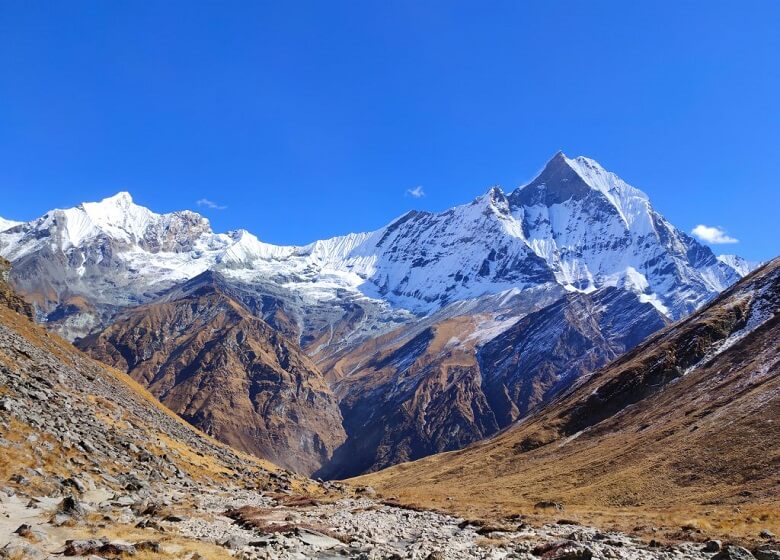
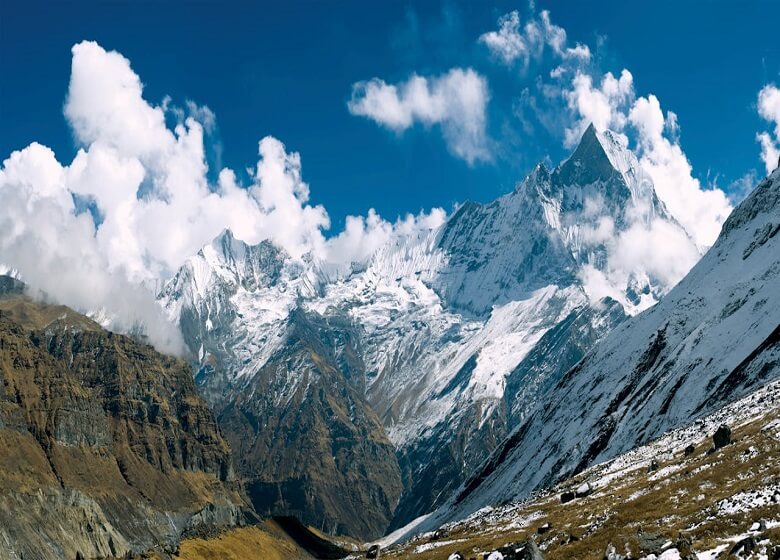
The Annapurna Base Camp Trek is one of the most iconic and rewarding trekking experiences in Nepal, offering a perfect blend of natural beauty, cultural richness, and achievable adventure. Nestled in the heart of the Annapurna Conservation Area, this trek leads you deep into a natural amphitheater surrounded by some of the highest peaks in the world, including Annapurna I, Machapuchare (Fishtail), Hiunchuli, and Annapurna South. Unlike many high-altitude treks, the Annapurna Base Camp (ABC) trek is relatively moderate in difficulty, making it accessible to a wide range of trekkers while still delivering an unforgettable Himalayan experience.
The journey typically begins from Pokhara, a serene lakeside city that serves as the gateway to the Annapurna region. From here, trekkers travel by road to trailheads such as Nayapul or Jhinu Danda, depending on the chosen route. The trek gradually ascends through diverse landscapes, starting with subtropical forests filled with bamboo, rhododendron, and terraced farmlands. As you gain altitude, the scenery transforms dramatically into alpine terrain and eventually into glacial surroundings near the base camp.
One of the most appealing aspects of the Annapurna Base Camp trek is its variety. In just a few days, you pass through traditional Gurung and Magar villages where life moves at a slower pace. These communities offer a glimpse into Nepalese culture, with warm hospitality, local cuisine, and opportunities to learn about mountain lifestyles. Villages like Ghandruk and Chhomrong are particularly memorable, with stone houses, prayer flags fluttering in the wind, and panoramic mountain views.
The trail itself is well-established and supported by a network of teahouses, making it a comfortable trek compared to more remote routes. Trekkers can expect basic but cozy accommodations, hot meals, and the chance to connect with fellow travelers from around the world. This teahouse culture adds a social dimension to the journey, where stories are shared over cups of tea and plates of dal bhat.
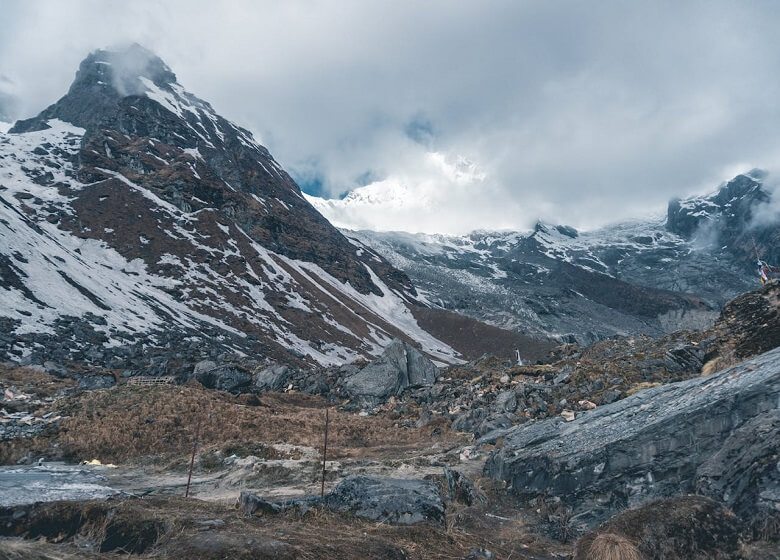
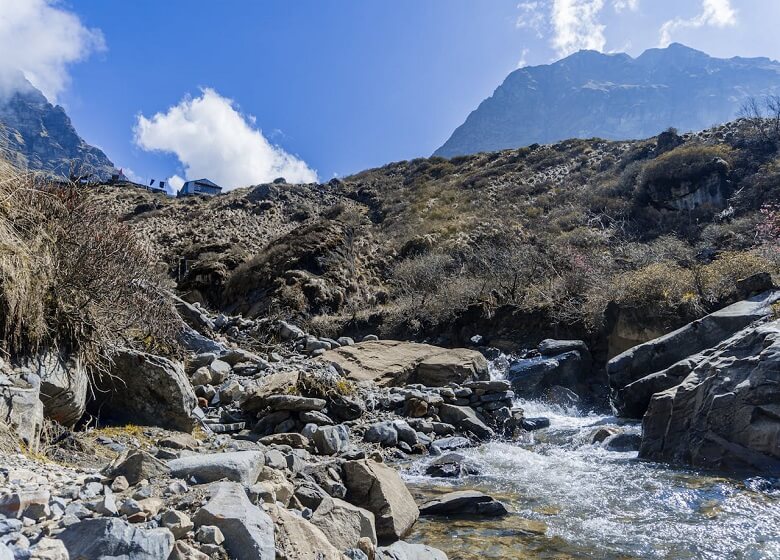
As the trek progresses, the terrain becomes more rugged and dramatic. Dense forests give way to steep stone staircases, cascading waterfalls, and narrow valleys carved by glacial rivers. The climb to Machapuchare Base Camp (MBC) marks a significant milestone, as the surrounding peaks begin to close in, creating a sense of entering a high-altitude sanctuary. From MBC, the final push to Annapurna Base Camp is both challenging and exhilarating.
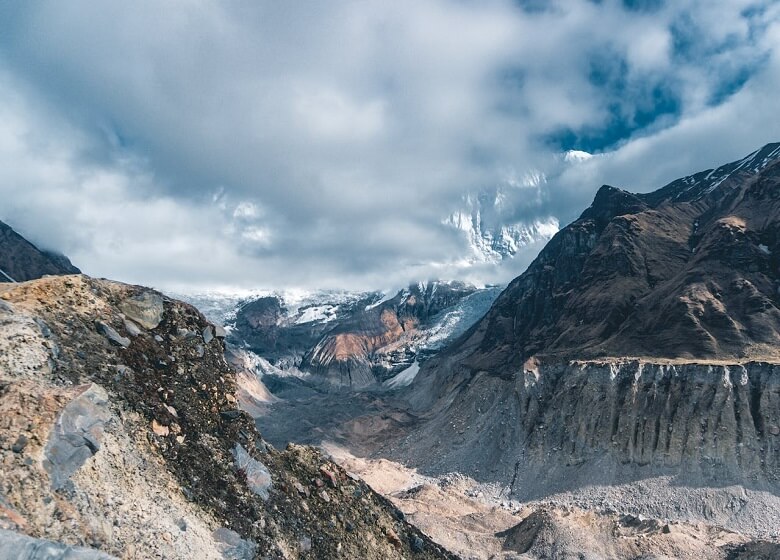
Reaching Annapurna Base Camp at an altitude of 4,130 meters is a moment of pure awe. You find yourself in a vast glacial basin, completely surrounded by towering snow-covered peaks that rise almost vertically around you. The sense of scale is overwhelming, and the silence of the mountains adds to the spiritual atmosphere. Sunrise at ABC is often the highlight of the trek, as the first rays of sunlight illuminate the peaks in shades of gold and pink, creating a breathtaking spectacle.
Despite its beauty, the trek is not without challenges. Altitude gain is gradual but significant, and proper acclimatization is essential to avoid altitude sickness. The trail includes long days of walking, often on uneven terrain with many ascents and descents. Weather conditions can change quickly, especially at higher elevations, so preparation and flexibility are key. However, with proper planning and a steady pace, the trek is achievable for individuals with a reasonable level of fitness.
The best time to undertake the Annapurna Base Camp trek is during the spring (March to May) and autumn (September to November) seasons. Spring brings blooming rhododendron forests and moderate temperatures, while autumn offers clear skies and excellent mountain visibility. Winter treks are possible but can be challenging due to snow and cold temperatures, while the monsoon season is generally avoided because of heavy rainfall and slippery trails.
Another unique feature of this trek is the opportunity to relax in natural hot springs at Jhinu Danda on the way back. After days of trekking, soaking in warm mineral-rich waters beside a river is both rejuvenating and rewarding. It serves as a perfect conclusion to the physical effort of the journey.
From an environmental perspective, the Annapurna region is protected under the Annapurna Conservation Area Project (ACAP), which promotes sustainable tourism and conservation efforts. Trekkers are encouraged to follow responsible practices, such as minimizing waste, respecting local customs, and preserving the natural environment. This ensures that the region remains pristine for future generations.
In terms of logistics, the trek typically takes 7 to 12 days depending on the route and pace. It can be done independently or with a guide and porter, both of which have their advantages. Hiring a guide enhances safety and provides cultural insights, while a porter helps ease the physical burden by carrying heavy loads.
Overall, the Annapurna Base Camp trek is more than just a physical journey; it is an immersive experience that connects you with nature, culture, and yourself. The ever-changing landscapes, the warmth of local communities, and the grandeur of the Himalayas create a powerful and lasting impression. Whether you are a seasoned trekker or a first-time adventurer, this trek offers a well-rounded Himalayan experience that is both accessible and deeply rewarding.
By the end of the journey, as you descend back into the lower valleys and eventually return to Pokhara, you carry with you not just photographs, but memories of towering peaks, quiet trails, and moments of reflection that stay long after the trek is over.
Trip Highlights
- Stunning Himalayan Panorama
- Annapurna Base Camp (4,130 m)
- Sunrise Over the Himalayas
- Diverse Landscapes
- Traditional Mountain Villages
- Rhododendron Forests (Spring Season)
- Machapuchare Base Camp (MBC)
- Natural Hot Springs at Jhinu Danda
- Teahouse Trekking Experience
- Moderate and Accessible Adventure


