

Trip Info
-
Bus, Airline
-
3 Star hotel
-
Kathmandu
-
Feb-May
-
Eco-tour
-
All meal during trek
-
English, Spanish, Chinese
-
Easy to moderate
-
2-15
-
15
-
65
The Kakani to Budanilkantha Trek is a scenic and refreshing journey along the northern rim of the Kathmandu Valley, offering a perfect blend of natural beauty, cultural encounters, and accessible adventure. This trek is ideal for those who want to experience Nepal’s countryside without committing to long or high-altitude expeditions. Stretching from the hill station of Kakani to the sacred site of Budanilkantha, the trail passes through forested ridges, Tamang villages, terraced farmlands, and panoramic viewpoints that reveal both the Himalayan range and the sprawling Kathmandu Valley below.
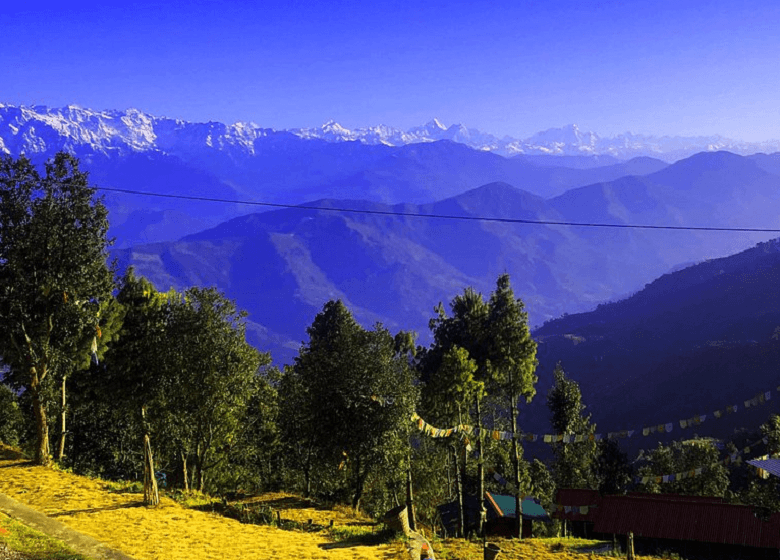
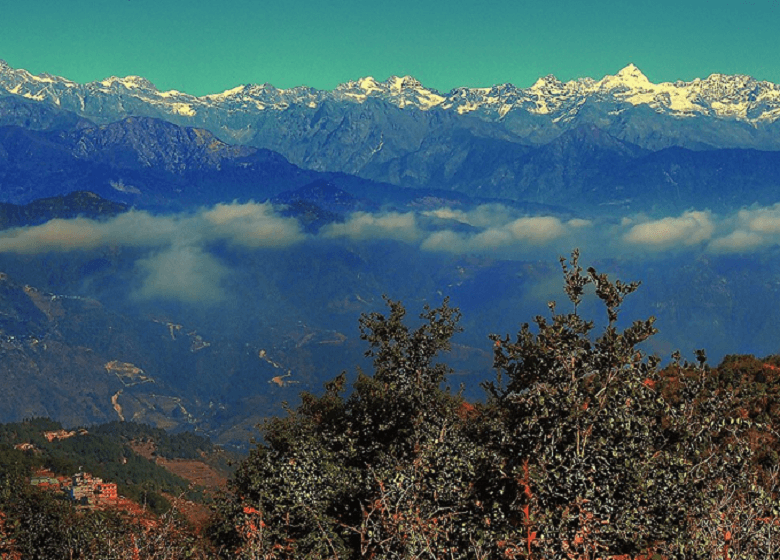
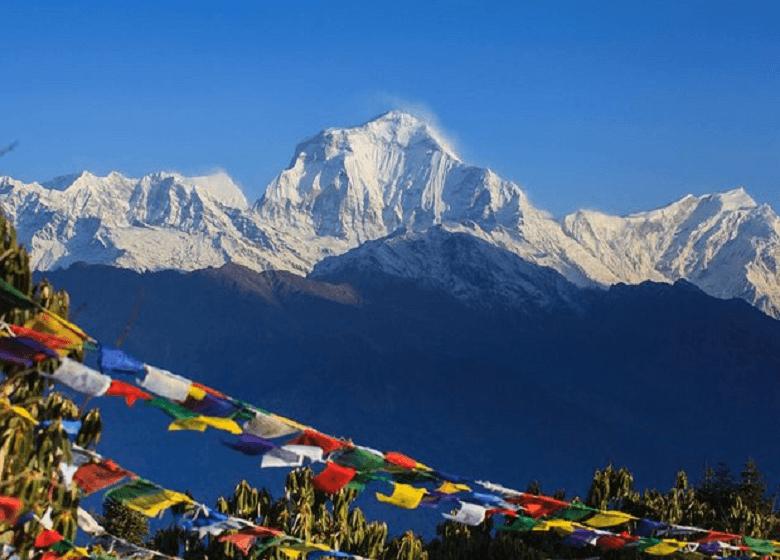
The journey begins with a drive from Kathmandu to Kakani, located about 25 kilometers northwest of the city. The drive itself is an experience, gradually ascending through winding mountain roads, small roadside settlements, and scenic hillsides. Kakani is known for its cool climate, strawberry farms, and stunning viewpoints. On a clear day, the Himalayan panorama from Kakani is breathtaking, with peaks like Ganesh Himal, Langtang, and even distant Annapurna ranges visible in the distance. Many trekkers take some time here to enjoy the fresh mountain air, take photographs, and prepare for the hike ahead.
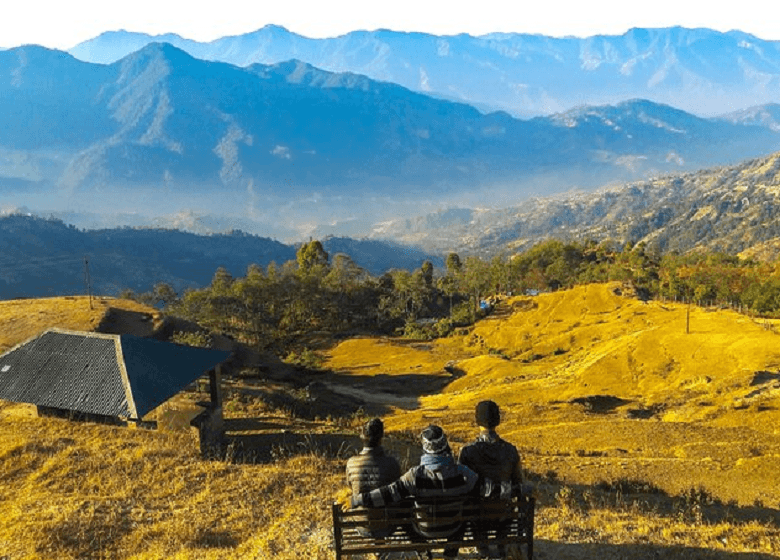
From Kakani, the trail begins with a gentle walk through pine forests and open ridgelines. The initial section is relatively easy, making it suitable for trekkers of varying fitness levels. The cool shade of pine and oak trees, combined with the occasional chirping of birds, creates a calm and inviting atmosphere. The trail follows the ridge for much of the journey, offering continuous views of rolling hills on one side and the Kathmandu Valley on the other. This unique vantage point allows trekkers to appreciate the contrast between the natural landscape and the urban expanse below.
As the trek progresses, the path winds through traditional Tamang villages. These villages provide a glimpse into the lives of local communities, where agriculture and livestock play a central role. Houses built from stone and wood, small courtyards, and prayer flags fluttering in the breeze create a distinct cultural setting. Interactions with locals often become memorable moments of the trek, whether it’s exchanging greetings, observing daily chores, or stopping at a small teahouse for refreshments. The hospitality of the people adds warmth to the journey, making it more than just a physical trek.
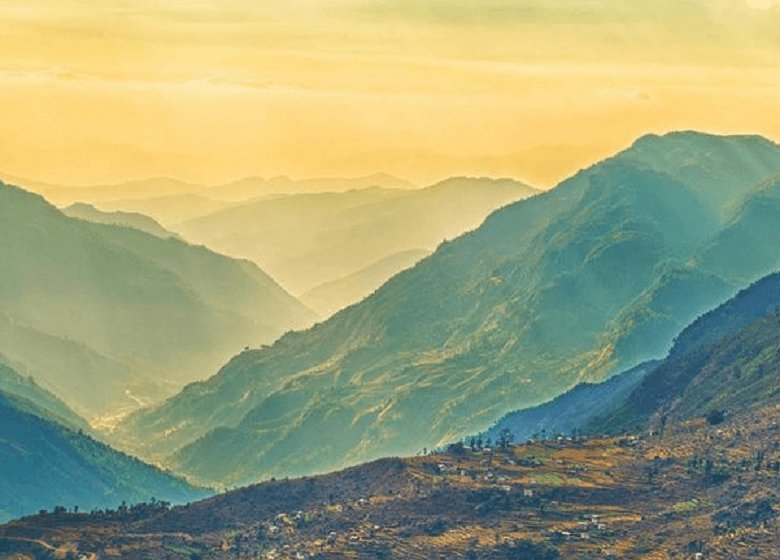
The trail also passes through a mix of landscapes, transitioning between dense forests, open meadows, and terraced farmland. During spring, rhododendron trees bloom in vibrant colors, adding a striking visual element to the hike. In autumn, the skies are usually clear, offering uninterrupted views of the distant mountains. The region is rich in biodiversity, and trekkers may encounter various bird species, butterflies, and small wildlife along the way. The forested sections provide a peaceful escape, while the open areas offer wide-angle views perfect for photography.
One of the defining features of the Kakani to Budanilkantha trek is the ridge walk. Unlike steep climbs or descents, much of the trail undulates gently along the ridge, making the hike comfortable and enjoyable. This also means that trekkers are consistently rewarded with scenic views without needing to exert excessive effort. Occasional viewpoints along the route provide ideal spots to rest, have snacks, and soak in the surroundings. The combination of ease and beauty makes this trek particularly appealing for beginners or those looking for a relaxed outdoor experience.
As the trek continues toward Budanilkantha, the trail gradually descends through forested paths and small settlements. The descent offers a different perspective of the landscape, with changing angles of the hills and glimpses of the valley becoming more prominent. The air becomes slightly warmer as you lose elevation, and the sounds of village life become more noticeable. Small streams, stone steps, and shaded pathways make the descent both engaging and manageable.
Budanilkantha, the endpoint of the trek, is a significant cultural and religious site. It is home to the famous Budanilkantha Temple, where a large reclining statue of Lord Vishnu lies in a pond, carved from a single block of stone. This sacred site attracts pilgrims and visitors from across Nepal and beyond. After the tranquility of the trek, arriving at Budanilkantha brings a sense of cultural richness and spiritual reflection. Many trekkers take time to explore the temple, observe rituals, and appreciate the artistry and history of the site.
The trek can typically be completed in one to two days, depending on the chosen pace and route variations. A one-day trek is possible for those who are fit and prefer a quicker experience, while a two-day trek allows for a more relaxed pace with an overnight stay in a local lodge or village along the way. Spending a night in the hills enhances the experience, offering opportunities to enjoy sunset and sunrise views, as well as to engage more deeply with local communities.
Accommodation along the route is simple but comfortable, usually in small lodges or teahouses. These provide basic amenities, warm meals, and a chance to interact with fellow trekkers and hosts. Food typically includes traditional Nepali dishes such as dal bhat, noodles, and seasonal vegetables. Sharing meals in these settings often becomes a highlight, as stories and experiences are exchanged in a relaxed environment.
The Kakani to Budanilkantha Trek is suitable for a wide range of travelers. Beginners will appreciate the manageable terrain and relatively short duration, while experienced hikers will enjoy the scenic ridge walk and cultural encounters. It is also a great option for families or small groups looking for a short getaway from Kathmandu. The accessibility of the starting and ending points makes logistics straightforward, adding to the trek’s appeal.
Weather plays an important role in the experience. The best seasons for the trek are spring and autumn, when the skies are clear and temperatures are moderate. Winter can also be pleasant, though mornings and evenings may be cold. During the monsoon season, the trail can become muddy and slippery, and views may be obscured by clouds. Proper preparation, including suitable footwear, layered clothing, and sufficient water, ensures a safe and enjoyable trek.
One of the most rewarding aspects of this trek is the sense of balance it offers. It combines physical activity with relaxation, natural beauty with cultural depth, and accessibility with authenticity. The trail does not demand extreme endurance, yet it delivers a rich and varied experience that leaves a lasting impression. From the cool pine forests of Kakani to the sacred ambiance of Budanilkantha, every segment of the journey contributes to a well-rounded adventure.
Trip Highlights
- Panoramic Himalayan Views from Kakani
- Scenic Ridge Walk
- Peaceful Pine Forests
- Tamang Village Experience
- Terraced Farmland Landscapes
- Birdwatching and Wildlife
- Less Crowded Trails
- Gradual and Beginner-Friendly Terrain
- Budanilkantha Temple Visit
- Sunrise and Sunset Views


