

Trip Info
-
Bus, Airlines
-
3 Star hotel
-
Kathmandu
-
Feb-May
-
Eco-tour
-
All meal during trik
-
English, Spanish, Chinese
-
Easy to moderate
-
2-15
-
15
-
65
The Royal Trek is one of Nepal’s lesser-known yet incredibly rewarding trekking routes, offering a peaceful alternative to the busier trails of the Annapurna region. Named after Prince Charles, who trekked this route in the early 1980s with a large entourage, the Royal Trek combines natural beauty, cultural richness, and relative solitude into a short but memorable Himalayan experience. It is especially appealing for those who want a moderate trek without the high altitude challenges of more demanding routes.
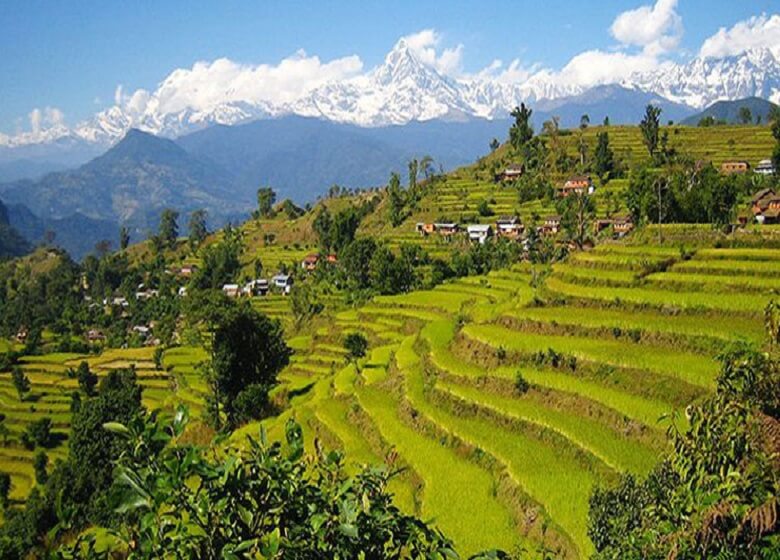
Starting near the scenic city of Pokhara, the Royal Trek takes you through a diverse landscape of terraced farmland, lush forests, and traditional villages. The journey typically begins with a drive to the starting point at Kalikasthan or Bijayapur, depending on the itinerary. From there, the trail gradually ascends through rural settlements where life moves at a slower, more traditional pace. Unlike the more commercial trekking routes, the Royal Trek remains relatively untouched by mass tourism, allowing trekkers to experience authentic village life.
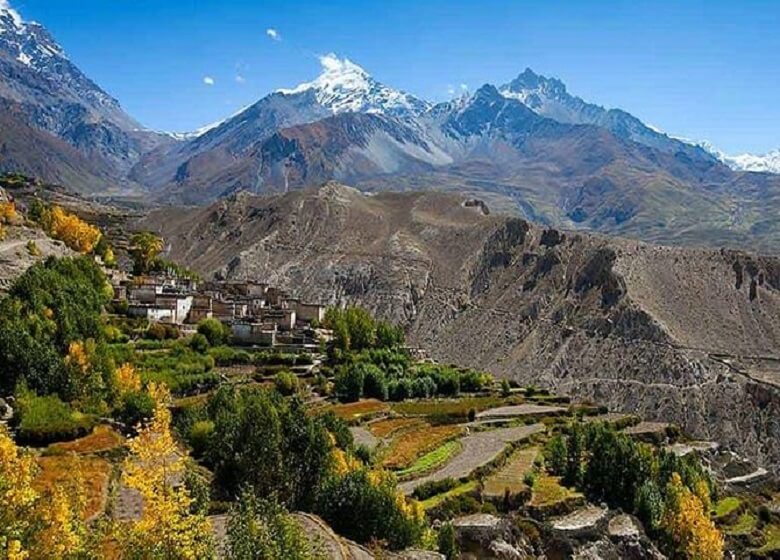
One of the most striking aspects of the Royal Trek is the close interaction with local communities. The trail passes through villages inhabited mainly by the Gurung and Magar ethnic groups, known for their rich cultural heritage and warm hospitality. Trekkers often have the opportunity to observe daily routines, visit local homes, and learn about traditional farming practices. The cultural immersion adds depth to the journey, making it more than just a physical trek.
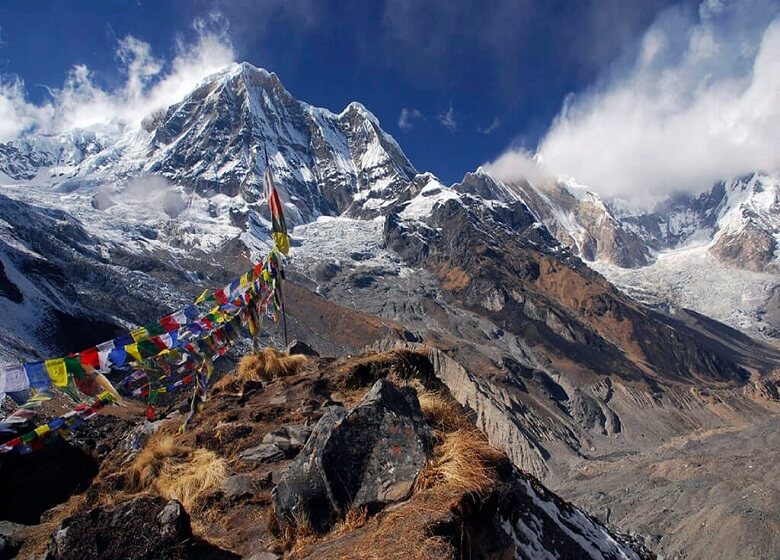
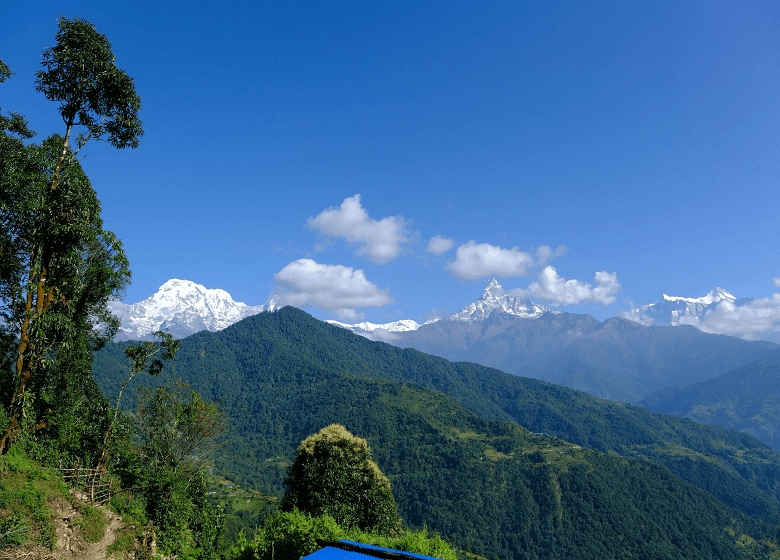
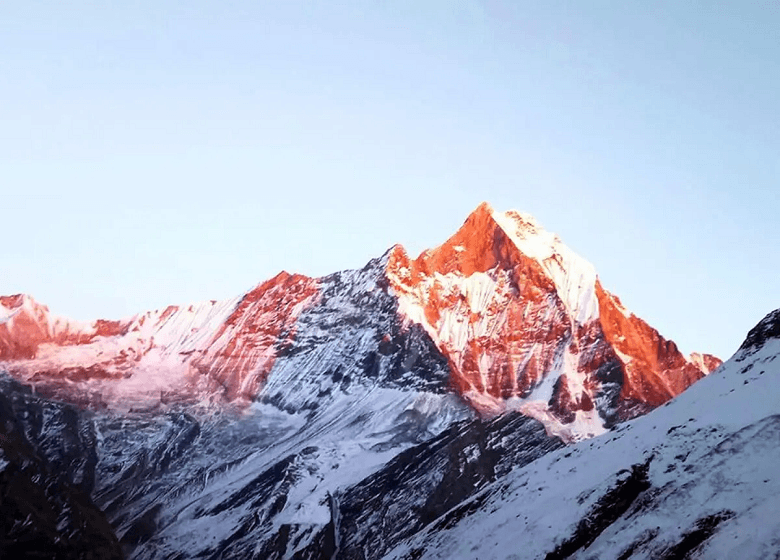
The natural beauty along the Royal Trek is equally captivating. The route offers stunning views of the Annapurna and Lamjung Himal ranges, as well as the iconic Machhapuchhre, also known as Fishtail Mountain. These panoramic vistas are especially breathtaking during sunrise and sunset, when the peaks glow with golden and pink hues. The lower altitude of the trek means that the landscape is lush and green, with forests of rhododendron, oak, and pine providing shade and variety along the trail. In spring, the blooming rhododendrons add vibrant splashes of color to the surroundings.
The Royal Trek is considered a relatively easy to moderate trek, making it suitable for beginners and families. It usually takes about 4 to 6 days to complete, depending on the pace and specific itinerary. Daily walking hours are manageable, typically ranging from 4 to 6 hours. The highest point of the trek is around 1,700 meters, which significantly reduces the risk of altitude sickness. This makes it an excellent option for those who want to experience the Himalayas without the physical strain associated with higher elevations.
Accommodation on the Royal Trek is simpler compared to more developed routes like the Annapurna Circuit or Everest Base Camp. Trekkers usually stay in basic teahouses or homestays, which offer a comfortable but rustic experience. Meals are often prepared using locally sourced ingredients, giving trekkers a taste of traditional Nepali cuisine. Dal bhat, a staple dish of rice, lentils, and vegetables, is commonly served and provides the energy needed for trekking.
Another advantage of the Royal Trek is its accessibility. Pokhara, the gateway to the trek, is well connected by road and air from Kathmandu. The proximity to Pokhara also means that trekkers can combine the trek with other activities such as boating on Phewa Lake, paragliding, or simply relaxing in the lakeside area. This flexibility makes the Royal Trek an attractive choice for travelers with limited time.
Despite its many advantages, the Royal Trek does have some limitations. The infrastructure is less developed, so facilities may be more basic, and options for food and lodging can be limited in some areas. Additionally, because it is not as popular, finding detailed information or experienced guides may require a bit more effort. However, these factors also contribute to the trek’s charm, as they help preserve its authenticity and tranquility.
The best time to undertake the Royal Trek is during the spring (March to May) and autumn (September to November) seasons. During these months, the weather is generally stable, skies are clear, and the mountain views are at their best. Spring offers the added beauty of blooming flowers, while autumn provides crisp air and excellent visibility. Winter is also possible but can be colder, while the monsoon season brings heavy rains and slippery trails.
In terms of preparation, the Royal Trek does not require extensive training, but a reasonable level of fitness is recommended. Basic trekking gear such as comfortable hiking boots, layered clothing, a rain jacket, and a daypack is sufficient. Hiring a local guide can enhance the experience by providing insights into the culture and ensuring navigation along the less-marked trails.
Overall, the Royal Trek stands out as a hidden gem in Nepal’s trekking landscape. It offers a perfect blend of natural beauty, cultural immersion, and manageable trekking conditions. Whether you are a first-time trekker or someone looking to escape the crowds, the Royal Trek provides a unique and enriching journey through the heart of the Himalayas.
Trip Highlights
- Short and scenic trek in Nepal’s Annapurna region, ideal for beginners
- Named after Prince Charles, who trekked the route in the 1980s
- Offers stunning views of Annapurna, Machhapuchhre (Fishtail), and Lamjung Himal
- Passes through traditional Gurung and Magar villages with rich cultural experiences
- Lower altitude (around 1,700 m max), so minimal risk of altitude sickness
- Trail features terraced fields, forests, and peaceful rural landscapes
- Less crowded compared to popular routes like Annapurna Circuit or Everest Base Camp
- Comfortable 4–6 day itinerary with moderate daily walking hours
- Accommodation mainly in basic teahouses and homestays with local cuisine
- Easy access from Pokhara, making it perfect for short Himalayan adventures


