

Trip Info
-
Bus, Airlines
-
3 Star hotel
-
Kathmandu
-
Feb-May
-
Eco-tour
-
All meal during trek
-
English, Chinese, Spanish
-
Easy to moderate
-
2-15
-
15
-
65
The Ghorepani Poon Hill Trek is one of Nepal’s most popular short treks, and for good reason. It offers a rich Himalayan experience without demanding extreme endurance or technical climbing skills. Nestled in the Annapurna region, this trek combines stunning mountain views, charming villages, rhododendron forests, and a glimpse into local culture, all within a relatively short timeframe. For many travelers, it serves as the perfect introduction to trekking in the Himalayas.
The journey typically begins from Pokhara, a peaceful lakeside city that acts as the gateway to the Annapurna region. From here, a short drive takes you to Nayapul or Ulleri, the starting point of the trek. As you leave behind the road and step onto the trail, the environment shifts quickly from urban comfort to rural simplicity. Stone-paved paths, suspension bridges, and terraced fields define the early part of the journey. Along the way, you pass through small settlements where daily life moves at a slower pace, offering a refreshing contrast to city living.
One of the defining features of the Ghorepani Poon Hill Trek is its accessibility. The trail is well-marked and supported by a network of teahouses, which provide food and accommodation. This makes it possible to trek without heavy gear or extensive planning. Most trekkers complete the journey in four to five days, though the pace can be adjusted depending on fitness level and time available. Despite its relatively short duration, the trek offers a surprisingly diverse experience.
As the trail ascends, the landscape changes noticeably. Lush green hills gradually give way to dense forests, particularly famous for their rhododendron blooms. If you visit during spring, typically between March and April, the forest transforms into a vibrant display of red, pink, and white flowers. Walking through these forests feels almost surreal, especially when the sunlight filters through the canopy and highlights the colors around you.
Ghorepani village, situated at around 2,850 meters, is a key stop along the trek. It is a bustling hub for trekkers, offering panoramic views of the surrounding mountains. The name “Ghorepani” translates roughly to “horse water,” reflecting its historical role as a resting point for traders and their animals. Today, it serves as the base for the early morning hike to Poon Hill, the highlight of the trek.
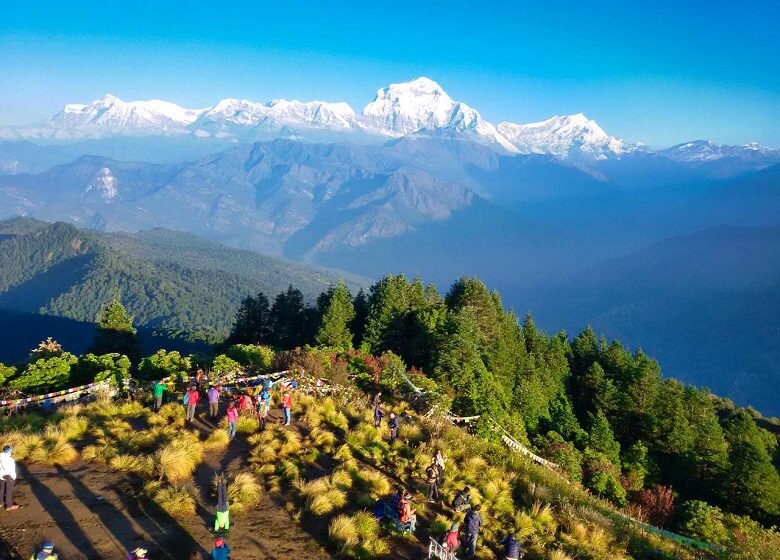
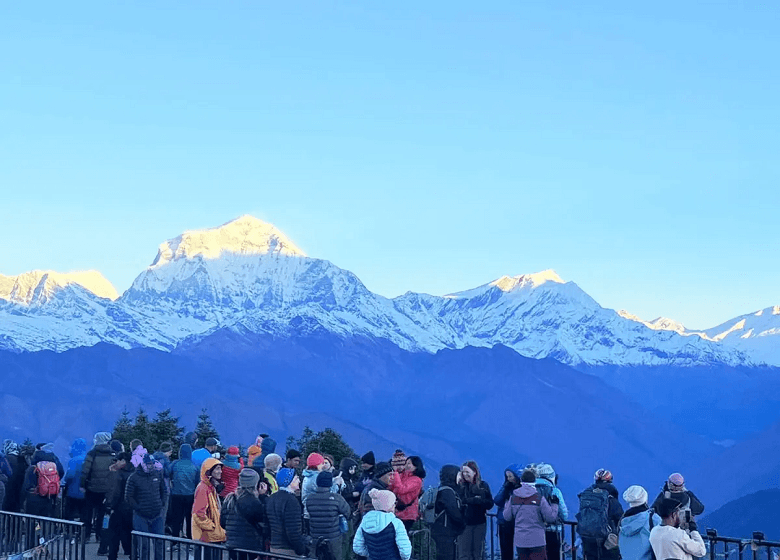
The ascent to Poon Hill begins before dawn. Trekkers set out in the dark, often guided by headlamps and the quiet anticipation of what lies ahead. The climb itself is steady but manageable, taking about 45 minutes to an hour. As you reach the viewpoint at 3,210 meters, the effort quickly pays off. The sunrise over the Annapurna and Dhaulagiri mountain ranges is nothing short of breathtaking.
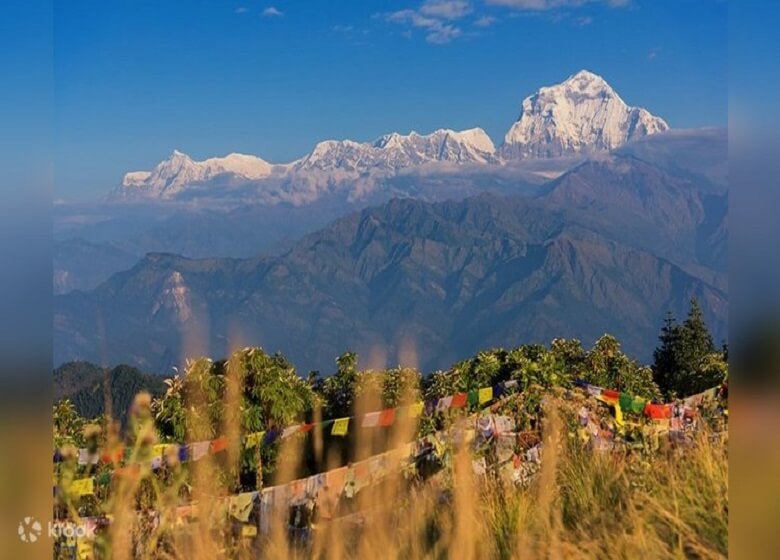
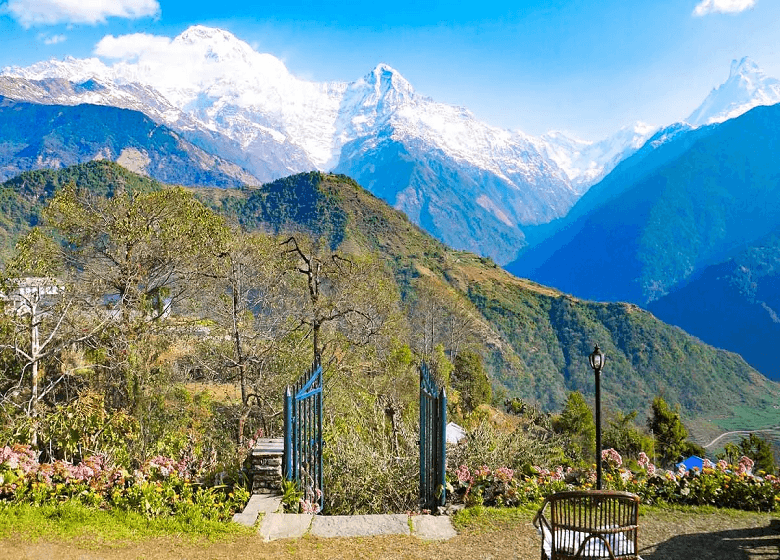
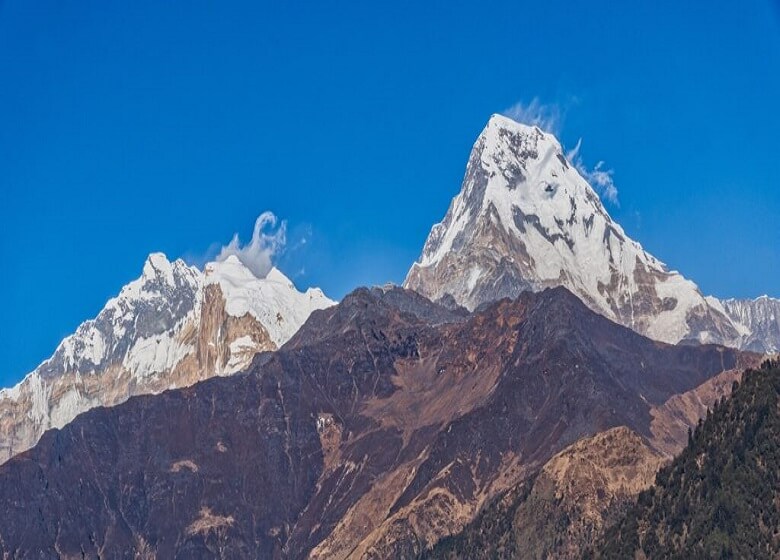
As the first light touches the snow-capped peaks, the mountains gradually shift in color, from deep blue to shades of gold and orange. Peaks such as Annapurna South, Machapuchare (also known as Fishtail), and Dhaulagiri stand prominently against the sky. The panoramic view from Poon Hill is often described as one of the best in the Annapurna region, especially considering how accessible it is compared to higher-altitude treks.
After soaking in the sunrise, trekkers return to Ghorepani for breakfast before continuing the journey. The trail then leads through more forested paths toward Tadapani and eventually back down to Ghandruk or Nayapul. Ghandruk is another highlight of the trek, known for its traditional Gurung culture. Stone houses, narrow alleys, and a small museum provide insight into the local way of life. The hospitality of the people adds a personal touch to the experience, making it more than just a scenic journey.
The cultural aspect of the trek is often underrated but deeply rewarding. Interacting with locals, sharing meals in teahouses, and observing daily routines offer a genuine connection to the region. The simplicity of life in these villages, combined with the natural beauty surrounding them, creates a sense of calm that many travelers find memorable.
In terms of difficulty, the Ghorepani Poon Hill Trek is considered moderate. While it does not involve high altitudes or technical challenges, there are sections with steep climbs, particularly the stone steps leading to Ulleri. A reasonable level of fitness is sufficient, and the gradual ascent helps minimize the risk of altitude sickness. This makes the trek suitable for beginners, families, and even older travelers who are prepared for a bit of physical effort.
Weather plays an important role in shaping the experience. The best seasons for the trek are spring (March to May) and autumn (September to November). During these months, the skies are usually clear, offering the best mountain views. Winter trekking is also possible, though it can be cold and occasionally snowy. Monsoon season, from June to August, brings heavy rain and limited visibility, which can make the trek less enjoyable.
Packing for the trek is relatively straightforward. Comfortable walking shoes, layered clothing, a rain jacket, and basic essentials are usually enough. Since teahouses provide meals and accommodation, there is no need to carry camping equipment. Many trekkers also choose to hire a guide or porter, not only to ease the physical load but also to enhance the overall experience with local knowledge and support.
What sets the Ghorepani Poon Hill Trek apart is its balance. It offers a little bit of everything—mountain views, cultural encounters, forest trails, and manageable distances. It does not demand weeks of commitment or extreme physical conditioning, yet it delivers a rewarding and immersive Himalayan experience. For those short on time or new to trekking, it serves as an ideal starting point.
Trip Highlights
- Sunrise from Poon Hill (3,210 m)
- Panoramic Himalayan Views
- Rhododendron Forests
- Charming Mountain Villages
- Gurung Culture and Hospitality
- Accessible and Beginner-Friendly Trek
- Teahouse Trekking Experience
- Scenic Forest Trails
- Stone Steps of Ulleri
- Short Yet Rewarding Itinerary


