

Trip Info
-
Bus, Airlines
-
3 Star hotel
-
Kathmandu
-
Feb-May
-
Eco-tour
-
All meal during trek
-
English, Spanish, Chinese
-
Easy to moderate
-
2-15
-
15
-
65
The Khopra Danda Trek is one of Nepal’s most scenic and lesser-known treks in the Annapurna region. Often overshadowed by the popular Ghorepani Poon Hill trek, Khopra Danda offers an authentic Himalayan experience with panoramic views, diverse landscapes, and tranquil villages. It is ideal for trekkers seeking peace away from the crowded trails while still enjoying spectacular mountain scenery. The trek combines high viewpoints, alpine forests, traditional villages, and unique cultural encounters, making it a well-rounded adventure in the Annapurna Conservation Area.
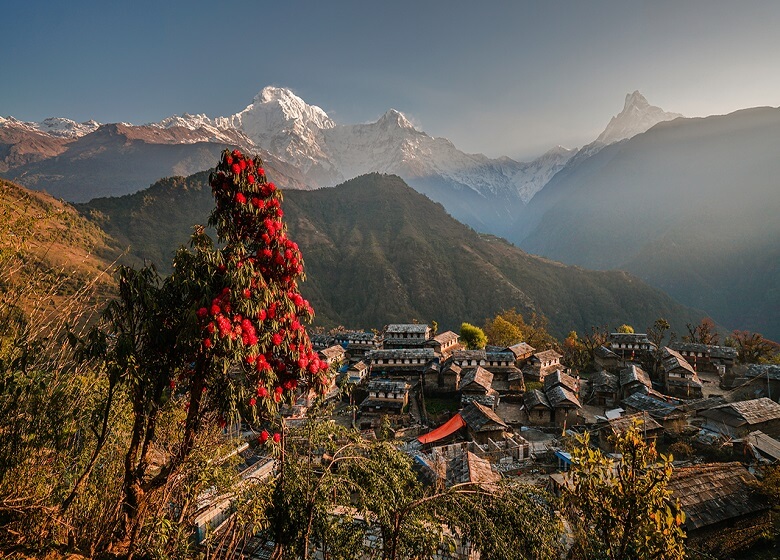
The trek usually begins from Pokhara, which serves as the gateway to the Annapurna region. From Pokhara, trekkers drive to Nayapul or Kimche, depending on the route. The initial part of the trail winds through small villages, terraced farmland, and subtropical forests, providing an easy introduction and a chance to adjust to the changing altitude. The local villages, predominantly inhabited by Gurung and Magar communities, give trekkers a glimpse of traditional Nepali rural life, complete with stone houses, prayer flags, and terraced fields.
As the trail progresses, it gradually climbs into rhododendron and oak forests. In spring, the forests are alive with vibrant blooms, while autumn brings crisp, clear skies ideal for mountain views. The trail passes through several small settlements, such as Ghandruk and Tadapani, depending on the chosen route, where trekkers can rest, enjoy local food, and interact with friendly locals. These villages not only provide accommodation but also offer a cultural immersion that is missing from busier trekking routes.
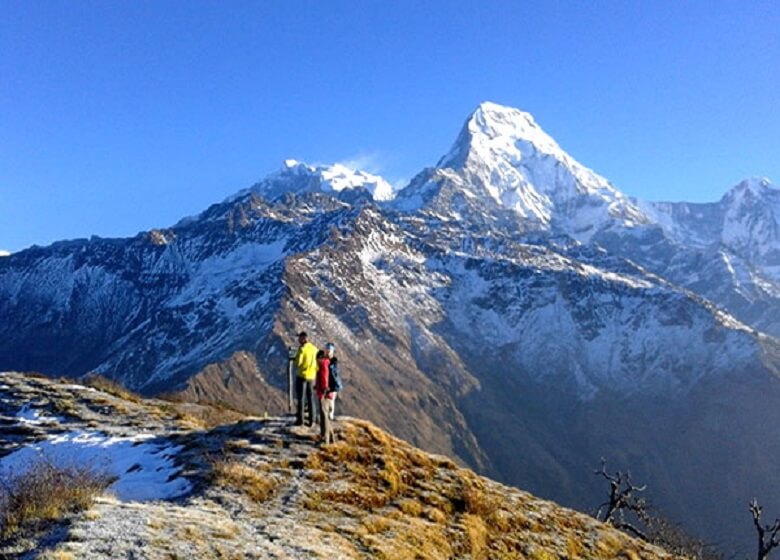
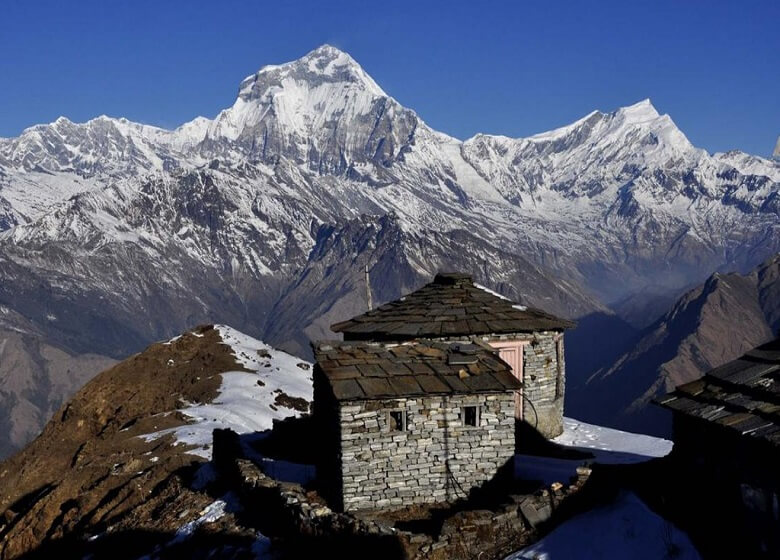
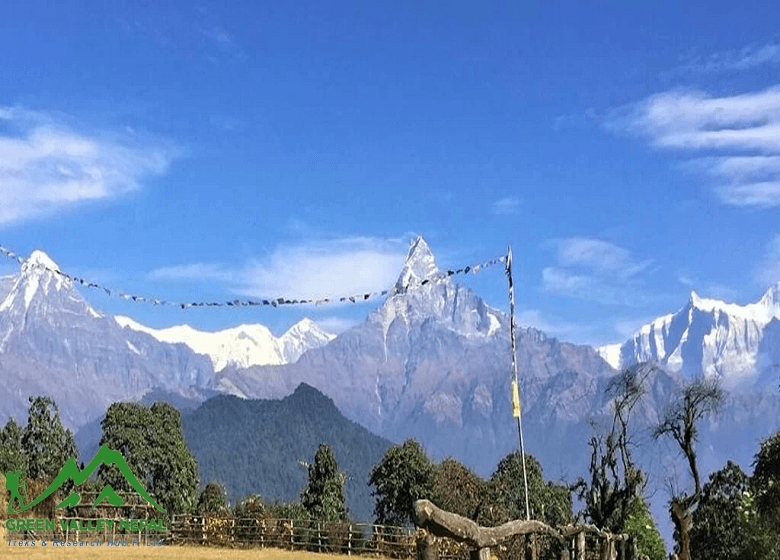
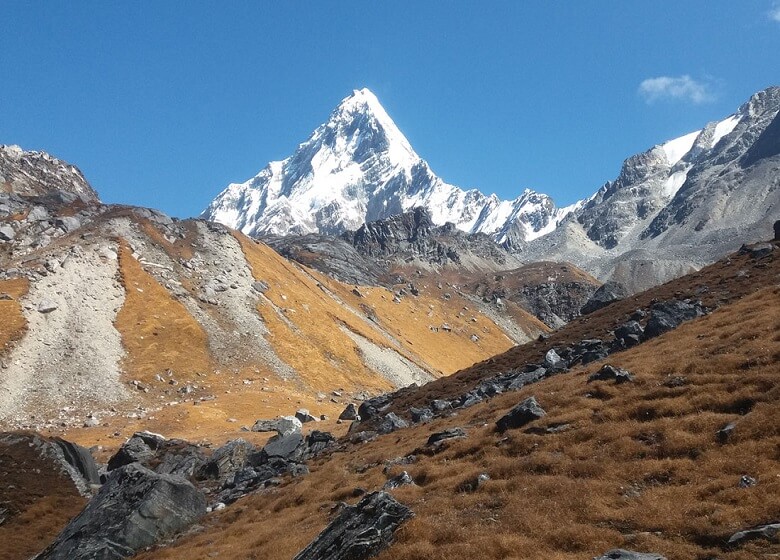
One of the defining features of the Khopra Danda Trek is the Khopra Ridge itself, which lies above 3,600 meters. The ridge offers panoramic views of some of the Annapurna range’s most famous peaks, including Annapurna South, Hiunchuli, Machapuchare, and Dhaulagiri. The ridge provides a serene and relatively quiet environment, making it a perfect place to enjoy sunrises and sunsets. Unlike the crowded viewpoints on Poon Hill, Khopra Danda feels remote and personal, giving trekkers a sense of solitude and connection with the mountains.
The trek also passes through varied terrain, making it visually and physically engaging. Trekkers move from subtropical forests to rhododendron groves, alpine meadows, and finally to open ridge landscapes. This variety keeps the trek interesting and provides excellent photographic opportunities. Wildlife enthusiasts may spot birds, butterflies, and occasionally small mammals along the trail. The trail’s moderate difficulty ensures it is accessible to those with a reasonable level of fitness while still providing enough challenge to be rewarding.
The Khopra Danda viewpoint is the highlight of the trek. Reaching the viewpoint is usually done as an early morning hike to witness the sunrise over the Himalayan peaks. From here, trekkers can see a continuous panorama from Annapurna South to Machapuchare and Dhaulagiri, with other peaks like Gangapurna, Tilicho, and Nilgiri forming a majestic backdrop. The view from the ridge is especially dramatic because the mountains appear closer than on other trails, creating an immersive high-altitude experience. This viewpoint alone makes the trek memorable and often the primary reason many choose Khopra Danda over more crowded alternatives.
Accommodation along the trek is mostly in teahouses, which are simple, family-run lodges offering warm meals, basic beds, and a cozy atmosphere. Meals generally consist of traditional Nepali dishes like dal bhat, noodles, and soups, with some Western options available. The hospitality of the local families enhances the trek experience, giving trekkers a sense of belonging and comfort even in remote areas. Staying in these lodges also contributes directly to the local economy, making the trek a sustainable choice for eco-conscious travelers.
One of the advantages of the Khopra Danda Trek is its moderate length. It can typically be completed in five to seven days, making it suitable for trekkers with limited time who still want a full Himalayan experience. The trail is less crowded than the main Ghorepani Poon Hill route, which allows for a more intimate and relaxed pace. This shorter duration, combined with spectacular scenery, makes it an ideal option for those seeking a balance of adventure, culture, and natural beauty.
The trek is most popular during spring and autumn. Spring offers blooming rhododendrons and pleasant temperatures, while autumn provides clear skies and crisp mountain views. Winter is possible but comes with colder temperatures, potential snowfall at higher elevations, and limited daylight. Monsoon trekking is generally avoided due to slippery trails and heavy rainfall, which can obscure views. Planning the trek in the optimal seasons ensures the best combination of comfort, safety, and visual rewards.
Cultural experiences are a subtle but important aspect of the Khopra Danda Trek. Trekkers encounter traditional Gurung and Magar villages where customs and lifestyles have remained largely unchanged for generations. Along the trail, prayer flags, small shrines, and occasional monasteries provide spiritual and cultural depth. The local people are friendly and welcoming, often inviting trekkers for tea or meals and sharing stories about their lives and the surrounding mountains.
Another feature of the trek is the sense of isolation and tranquility it provides. Unlike busier trails where lodges and viewpoints are packed with tourists, Khopra Danda offers quiet mornings and peaceful evenings. The absence of large crowds allows trekkers to fully immerse themselves in the natural beauty of the Himalayas. Watching the sunrise over snow-capped peaks from Khopra Danda is an unforgettable experience, especially when accompanied by the calm and stillness of the high-altitude ridge.
Logistically, the trek is straightforward. Permits required include the Annapurna Conservation Area Permit (ACAP) and a TIMS card, both obtainable in Pokhara. No technical climbing equipment is needed, though proper trekking boots, warm clothing, and basic hiking gear are essential. Guides and porters are optional but can enhance safety and provide local knowledge. The trail is well-marked and maintained, though care should be taken on steep sections and during inclement weather.
Overall, the Khopra Danda Trek is an ideal choice for trekkers looking for a serene, scenic, and culturally rich Himalayan experience. It combines stunning high-altitude views with the charm of traditional villages and the beauty of varied landscapes. The trek is rewarding without being overly strenuous, making it accessible to moderately fit adventurers. With its panoramic ridge, quiet trails, and friendly locals, Khopra Danda provides a memorable and authentic journey into the Annapurna region, offering both adventure and relaxation in one immersive experience.
The trek leaves trekkers with lasting memories of sunrise over the Himalayas, rhododendron forests in bloom, and the hospitality of mountain communities. Its combination of natural beauty, cultural depth, and manageable difficulty makes it one of Nepal’s hidden gems, offering a peaceful alternative to the more crowded Annapurna trails. For anyone seeking to experience the majesty of the Himalayas without the throngs of tourists, Khopra Danda is a trek that delivers both adventure and serenity in equal measure.
Trip Highlights
- Panoramic views of Annapurna South, Machapuchare, Dhaulagiri, and Nilgiri
- Sunrise from Khopra Danda Ridge
- Serene and less crowded trekking trail
- Rhododendron and oak forests in spring
- Traditional Gurung and Magar villages
- Alpine meadows and high-altitude ridge walks
- Cultural and spiritual sites along the trail
- Scenic waterfalls and terraced farmland
- Moderate trekking challenge suitable for beginners and intermediate trekkers
- Authentic homestay and teahouse experiences


