

Trip Info
-
Bus, Airline
-
3 Star hotel
-
Kathmandu
-
Feb-May
-
Eco-tour
-
All meal during trek
-
English, Spanish, Chinese
-
Easy to moderate
-
2-15
-
15
-
65
The Namobuddha Trek is one of Nepal’s lesser-known but deeply rewarding hiking experiences. Nestled in the eastern part of the Kathmandu Valley, Namobuddha is a sacred Buddhist pilgrimage site, surrounded by rolling hills, terraced farmlands, and dense forests. This trek combines cultural immersion, panoramic mountain views, and moderate trekking, making it an ideal choice for travelers who want a balance of spirituality, nature, and manageable adventure. Unlike the more crowded trekking routes in Nepal, Namobuddha offers tranquility, authenticity, and a chance to connect with the local communities and natural environment.
The trek typically begins from Kathmandu, with a drive of around two hours to Panauti, a picturesque town rich in cultural heritage. Panauti is known for its old temples, traditional houses, and vibrant local life. Starting the trek here gives visitors a sense of stepping into a slower pace of life, where roadside tea stalls, vegetable markets, and temple festivals offer glimpses of daily routines that have remained unchanged for generations. The journey from Panauti to the trailhead gradually shifts from urban roads to quiet country paths, and the lush scenery signals the beginning of a more immersive experience in the hills.
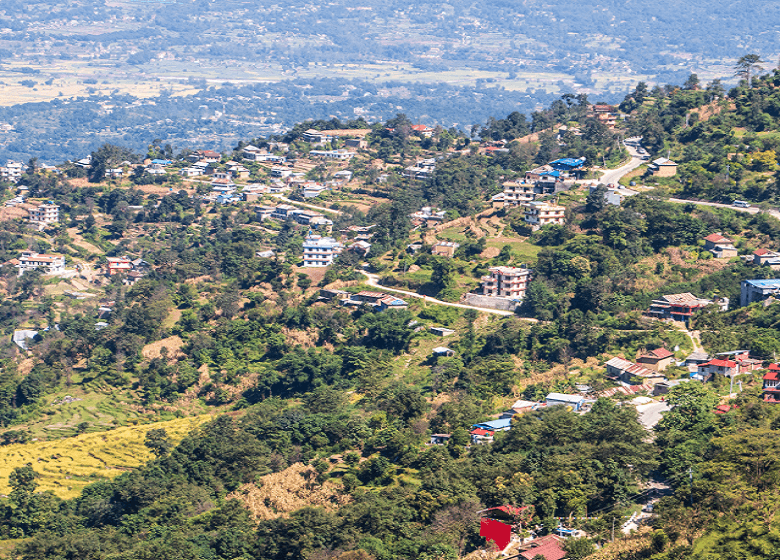
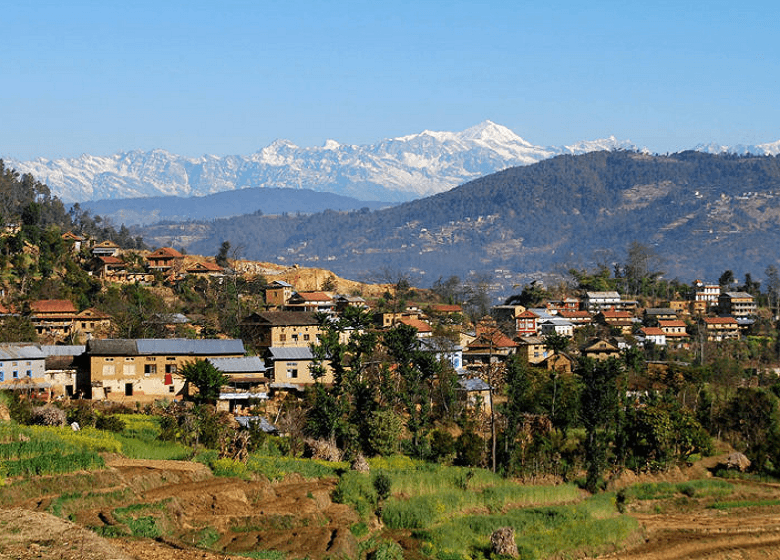
From the trailhead, the trek gently ascends through small villages and terraced fields. The early sections of the trek are relatively easy, allowing hikers to warm up while enjoying views of green valleys, traditional farms, and the distant peaks of the Himalayan range. Along the way, you’ll encounter locals tending to their crops, children playing in the fields, and livestock grazing peacefully. The trail passes through simple wooden or stone bridges crossing narrow streams, adding to the charm of the rural landscape. These moments offer excellent opportunities for photography and reflection, highlighting the harmony between human activity and the natural environment in this region.
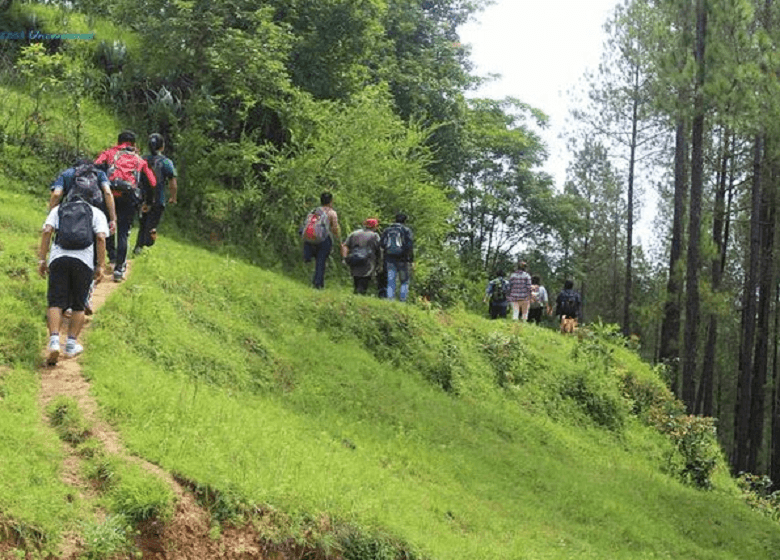
As the trail climbs higher, the landscape changes, and the path enters dense forests of pine, rhododendron, and oak. In spring, the forests are particularly vibrant, with rhododendrons blooming in shades of red, pink, and white. The rich biodiversity of the area is another highlight; birdwatchers can spot sunbirds, bulbuls, and various woodpeckers, while curious monkeys occasionally appear along the trail. The forested sections provide shade, a pleasant break from the sun, and a sense of serenity that is both meditative and invigorating. The quiet sounds of the forest, the rustle of leaves, and the occasional song of a bird create a calming soundtrack for the trek, making it an excellent escape from the bustling city.
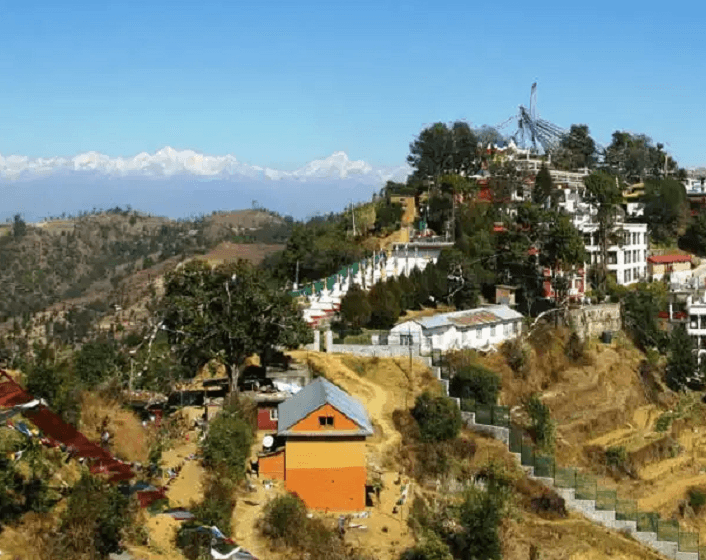
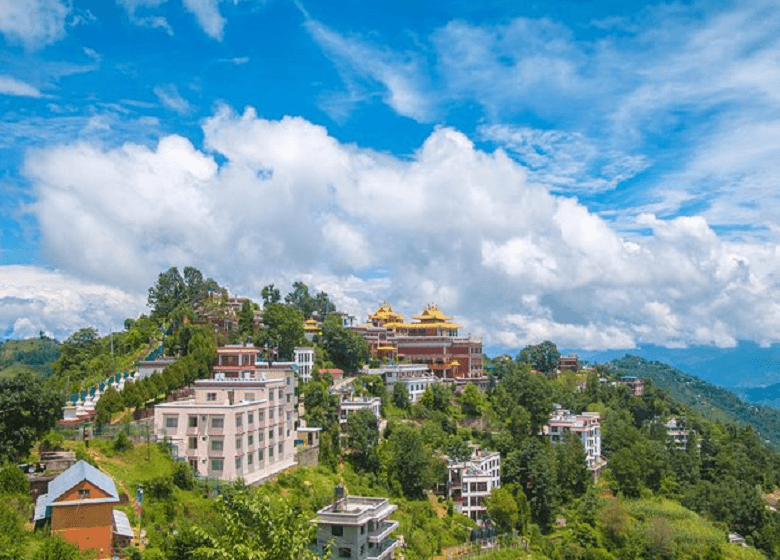
Namobuddha itself is a place of immense spiritual significance. The site is famous for the legend of the compassionate prince who offered his body to a starving tigress, a story that symbolizes selflessness and devotion in Buddhist teachings. The monastery at Namobuddha is perched on a hill, offering sweeping views of the surrounding valleys and distant snow-capped peaks. Pilgrims and visitors come here not only to pay respects but also to meditate, reflect, and absorb the peaceful atmosphere. Trekking to Namobuddha allows travelers to combine physical activity with cultural exploration, as the path passes several smaller stupas, prayer wheels, and traditional homes along the way.
The trek is moderate in difficulty, making it accessible to beginners with a reasonable level of fitness, as well as to more experienced hikers. The trails are well-marked, though some sections can be steep or slippery, especially during the monsoon season. The climb rewards hikers with multiple viewpoints along the way, where the Kathmandu Valley and surrounding hills can be seen stretching out like a green mosaic. Clear days offer stunning panoramas of the Himalayas, including peaks like Jugal, Gauri Shankar, and Langtang in the distance. These vistas are particularly striking at sunrise or early morning, when the light casts golden hues across the hills and valleys.
Along the route, accommodation options are typically teahouses or small lodges in local villages. These lodges provide simple but comfortable lodging, warm meals, and a chance to interact with local hosts. Staying in these villages allows travelers to experience local culture firsthand, from traditional Nepali cuisine to customs and crafts unique to the region. Many trekkers find that these interactions are among the most memorable parts of the trek, as hosts often share stories of the area’s history, festivals, and spiritual significance. Even short conversations with villagers deepen the sense of connection and offer insight into life in Nepal’s hill communities.
The trek also provides opportunities to observe agricultural practices and rural lifestyles. Terraced fields carved into the hillsides are a common sight, illustrating centuries of local ingenuity in farming. Seasonal crops, irrigation channels, and traditional farming tools are part of the landscape, making the trek not only scenic but also educational for those interested in culture and sustainable living. Additionally, the small temples and shrines scattered along the trail reflect the integration of spirituality into everyday life, reminding hikers that this region has long been a place where natural beauty and cultural reverence coexist.
Wildlife sightings are an added bonus of the Namobuddha trek. Monkeys, colorful birds, and occasionally small mammals can be observed along the forested paths. The trek also passes through areas where butterflies and other insects are abundant, especially during warmer months. Nature enthusiasts and photographers will find the diversity of flora and fauna compelling, as the combination of forests, valleys, and occasional waterfalls creates a rich visual experience. Even for casual hikers, these encounters with wildlife enhance the feeling of being immersed in a living, breathing ecosystem.
The descent from Namobuddha offers a different perspective of the landscape. As hikers make their way back toward Panauti or return via alternate routes, the valleys and hills are seen from new angles, the light shifts, and the quiet trails provide time for reflection on the journey. Many trekkers report a sense of accomplishment and tranquility upon completing the trek, having experienced both physical challenge and cultural enrichment. The combination of spiritual sites, natural beauty, and rural life ensures that the trek leaves a lasting impression.
The Namobuddha trek can be completed in one or two days, depending on the pace and interest of the hikers. One-day trips are feasible for those based in Kathmandu, offering a taste of the hills, monasteries, and natural beauty without overnight stays. Two-day trips allow for a more relaxed pace, with time to explore villages, take photographs, and enjoy the spiritual ambiance of the monastery more fully. In either case, the trek provides an intimate experience with the eastern part of the Kathmandu Valley, away from the crowds that frequent more popular trekking routes.
In summary, the Namobuddha trek offers a harmonious blend of moderate trekking, cultural insight, and natural beauty. From rural villages and terraced fields to lush forests and panoramic mountain views, the trail provides a rich sensory and emotional experience. The spiritual significance of Namobuddha itself adds depth to the journey, making it not just a physical adventure but also an opportunity for reflection and appreciation of Nepalese culture. Whether undertaken as a day trip or an overnight excursion, the trek is accessible, rewarding, and memorable, ideal for travelers seeking an experience that combines outdoor activity with cultural and spiritual enrichment.
For anyone planning the Namobuddha trek, early morning departures from Kathmandu are recommended to maximize daylight and clear views. Proper footwear, layered clothing, water, and snacks are essential, and hikers should be prepared for changing weather conditions, especially in the monsoon season. Interacting respectfully with locals, observing spiritual sites quietly, and leaving no trace behind are key to enjoying the trek responsibly. With these preparations, the Namobuddha trek offers a meaningful, scenic, and culturally rich experience, providing a unique perspective on the Kathmandu Valley and Nepal’s eastern hills.
Trip Highlights
- Sacred Namobuddha Monastery
- Panoramic Himalayan Views
- Terraced Hills and Rural Villages
- Lush Forests
- Birdwatching Opportunities
- Cultural Immersion
- Photography Hotspots
- Peaceful Nature Escape
- Wildlife Encounters
- Moderate Trekking Experience


