

Trip Info
-
Bus, Airlines
-
3 Star hotel
-
Kathmandu
-
Feb-May
-
Eco-tour
-
All meal during trek
-
English, Spanish, Chinese
-
Easy to moderate
-
2-15
-
15
-
65
The Nar Phu Valley Trek is one of Nepal’s most remote and culturally rich Himalayan journeys, offering a rare glimpse into a hidden world that feels untouched by time. Tucked away in the rain shadow region north of the Annapurna range, this trek takes you into the restricted valleys of Nar and Phu, where ancient Tibetan culture, dramatic landscapes, and raw mountain wilderness come together in a way few trekking routes can match.
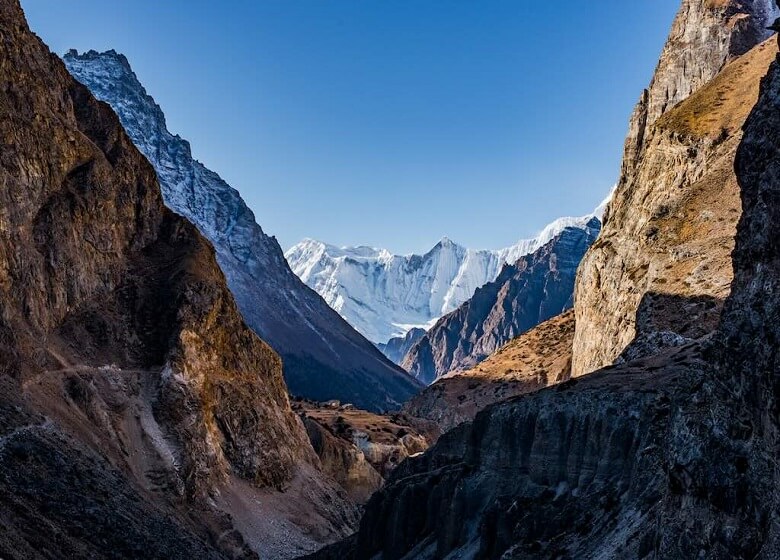
Unlike the more popular trails of Everest Base Camp or Annapurna Circuit, Nar Phu remains relatively quiet. This sense of isolation is part of its appeal. From the moment you leave the main Annapurna trail near Koto, the route diverges into a rugged and less-traveled path that gradually pulls you deeper into a stark, high-altitude desert landscape. The terrain shifts dramatically from lush pine forests and cascading rivers to barren cliffs, deep gorges, and windswept valleys.
The journey typically begins in Kathmandu, followed by a drive to Besisahar and then onward to Koto, which serves as the gateway to Nar Phu Valley. From here, the trek enters restricted territory, requiring special permits. The trail narrows as it winds along steep canyon walls carved by the Nar Phu Khola, with suspension bridges, narrow paths, and occasional landslide sections adding a sense of adventure.
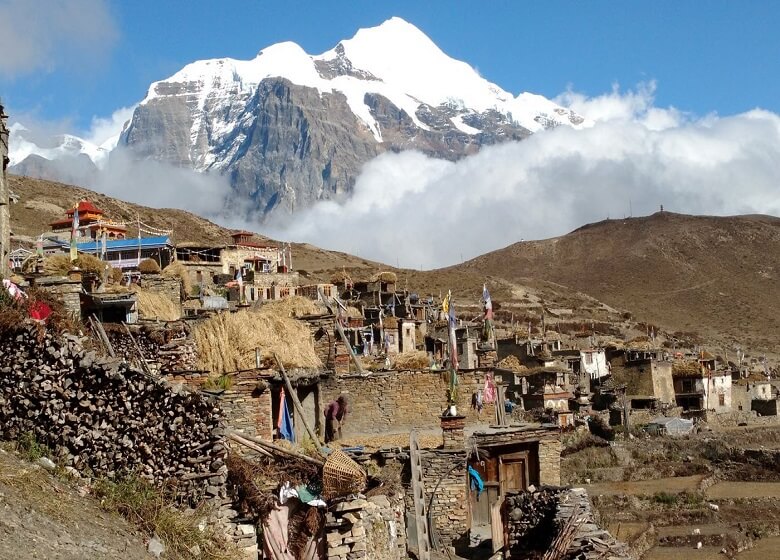
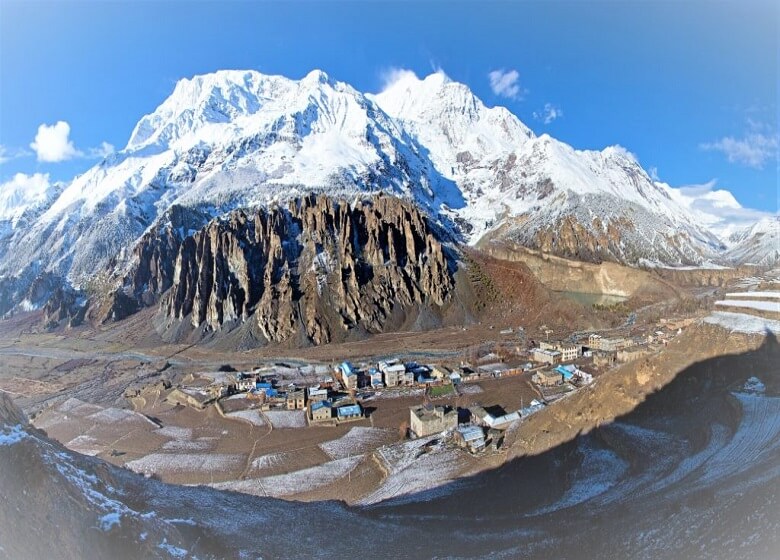
As you ascend further, the environment becomes increasingly rugged. The villages grow sparse, and the sense of remoteness deepens. One of the first major highlights is reaching the village of Phu. Situated at around 4,080 meters, Phu is a cluster of stone houses set beneath towering cliffs, with a dramatic backdrop of snow-capped peaks. The village has a medieval feel, with narrow alleys, prayer flags fluttering in the wind, and centuries-old monasteries that reflect deep spiritual traditions.
Phu is not just visually striking but culturally significant. The people here follow Tibetan Buddhism, and their way of life has remained largely unchanged for generations. Visitors often spend an acclimatization day here, exploring the Tashi Lhakhang Monastery, interacting with locals, and soaking in the unique atmosphere. The isolation of the village has preserved its traditions, making it one of the most authentic cultural experiences in Nepal.
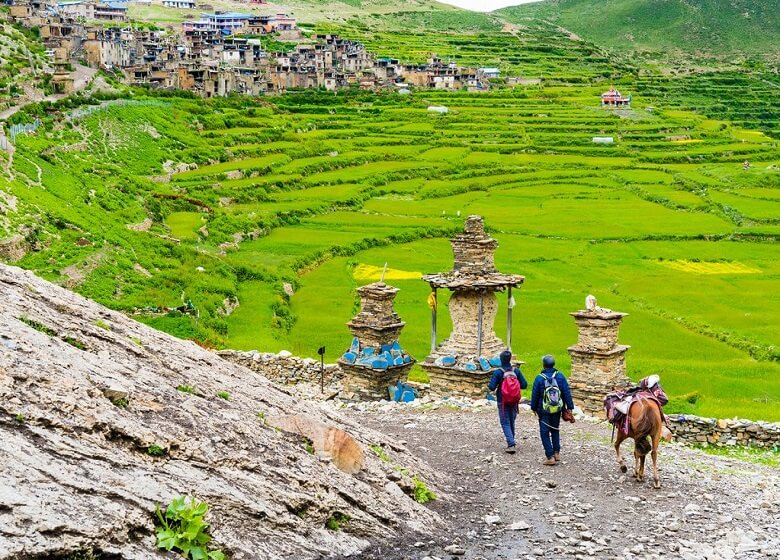
Leaving Phu, the trail retraces part of the route before heading toward Nar village. The journey between these two settlements is filled with sweeping views of rugged valleys and distant peaks. Nar, located at around 4,110 meters, is slightly more accessible than Phu but still retains a traditional charm. The village sits on a high plateau, surrounded by dramatic mountain scenery and ancient chortens.
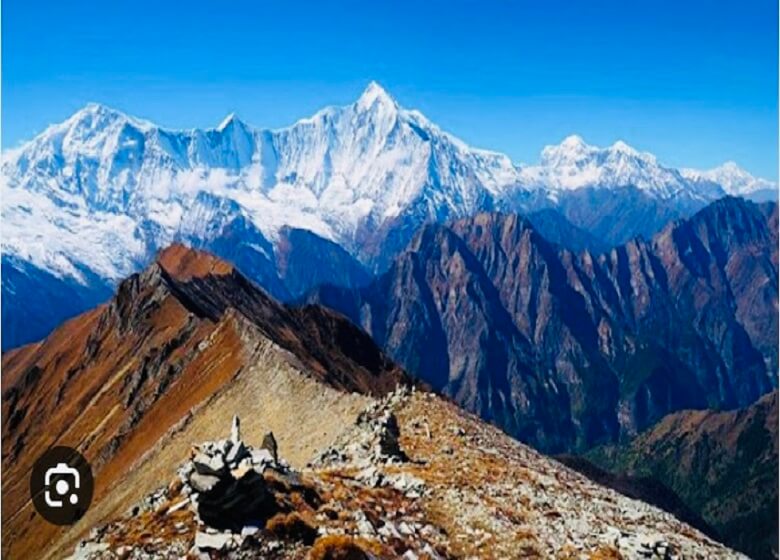
One of the most challenging and rewarding sections of the trek is crossing the Kang La Pass, which stands at approximately 5,320 meters. This high-altitude pass connects Nar Valley to the Annapurna Circuit trail near Ngawal. The climb to the pass is steep and demanding, often requiring an early start to avoid strong winds and unstable weather conditions. However, the effort is well rewarded with panoramic views of the Annapurna range, including Annapurna II, Annapurna IV, and Gangapurna. The sense of achievement at the summit, combined with the breathtaking scenery, makes this a defining moment of the trek.
After crossing Kang La Pass, the landscape begins to change once again. The trail descends toward Ngawal, where trekkers rejoin the more established Annapurna Circuit route. From here, the journey can continue toward Manang or conclude depending on the chosen itinerary. The return to more populated areas feels almost surreal after the solitude of Nar Phu.
What sets the Nar Phu Valley Trek apart is not just its scenery but its authenticity. This is not a trek filled with luxury lodges or crowded trails. Accommodation is basic, often in small teahouses run by local families. Meals are simple but nourishing, typically consisting of dal bhat, noodles, and Tibetan bread. The simplicity adds to the overall experience, allowing trekkers to connect more deeply with the environment and the people.
The trek is considered moderately to highly challenging, primarily due to its remote nature, high altitude, and limited infrastructure. Proper acclimatization is essential, and a good level of physical fitness is recommended. The best seasons to undertake the trek are spring (March to May) and autumn (September to November), when the weather is relatively stable and the views are at their best.
Another important aspect to consider is the restricted area permit. Since Nar Phu Valley lies in a controlled region, trekkers must obtain special permits and travel with a licensed guide. This regulation helps preserve the fragile environment and protect the cultural heritage of the area.
Wildlife enthusiasts may also find the region intriguing. The remote terrain is home to species such as blue sheep, Himalayan tahr, and even the elusive snow leopard, although sightings are rare. Birdlife is also abundant, adding another layer of interest for nature lovers.
In essence, the Nar Phu Valley Trek is not just a physical journey but an immersive experience into a hidden corner of the Himalayas. It offers a rare combination of adventure, solitude, and cultural depth. For those willing to venture off the beaten path, it provides an opportunity to witness a way of life that has endured for centuries, set against some of the most dramatic landscapes in Nepal.
This trek is ideal for those seeking something beyond the ordinary, where the rewards come not just from reaching high passes but from the quiet moments in remote villages, the sound of prayer wheels turning, and the feeling of being truly far from the modern world.
Trip Highlights
- Entry into a restricted and remote Himalayan region with very few trekkers
- Dramatic transition from lush forests to stark, high-altitude desert landscapes
- Exploration of the ancient Tibetan-influenced villages of Nar and Phu
- Visit to Tashi Lhakhang Monastery, one of the oldest monasteries in the region
- Authentic cultural experience with preserved traditions and local lifestyles
- Spectacular views of Annapurna II, Annapurna IV, Gangapurna, and surrounding peaks
- Crossing the challenging and scenic Kang La Pass (5,320 meters)
- Walking through deep gorges, narrow canyons, and rugged mountain trails
- Opportunity to spot rare Himalayan wildlife like blue sheep and snow leopard (rare)
- Peaceful, off-the-beaten-path trekking experience away from crowded routes


