

Trip Info
-
Bus, Airline
-
3 Star hotel
-
Kathmandu
-
Feb-May
-
Eco-tour
-
All meal during trek
-
English, Spanish, Chinese
-
Easy to moderate
-
2-15
-
15
-
65
The Langtang Gosaikunda Trek is a spectacular trekking route in Nepal that combines the natural beauty of the Langtang region with the spiritual significance of Gosaikunda, a sacred alpine lake revered in both Hindu and Buddhist traditions. Located north of Kathmandu, this trek offers an immersive experience through lush forests, traditional villages, high-altitude valleys, and pristine alpine landscapes. It is one of the most rewarding treks for those seeking a mix of adventure, cultural insight, and spiritual exploration, all within a manageable trekking itinerary suitable for moderately experienced trekkers.
The trek typically begins with a drive from Kathmandu to Dhunche, the administrative center of the Rasuwa district. The journey from Kathmandu follows the Trishuli River valley, passing terraced fields, rolling hills, and small riverside villages. The scenic drive sets the stage for the trekking adventure ahead, giving travelers a first glimpse of the lush green valleys and distant peaks. From Dhunche, trekkers head toward Syabrubesi or Langtang village, depending on the specific route chosen, and gradually enter the Langtang National Park, a protected area renowned for its biodiversity and natural beauty.
The early stages of the trek take you through rhythmically terraced farmland, forests of rhododendron, pine, and oak, and small Tamang and Sherpa villages. These villages provide a window into traditional Himalayan life, where you can observe local customs, farming practices, and the daily rhythm of rural Nepalese communities. The local people are known for their hospitality, often welcoming trekkers into their homes or teahouses for meals and conversation. The trail is well-marked, allowing trekkers to enjoy the journey without difficulty, but hiring a guide enhances the experience by offering cultural and historical insights into the region.
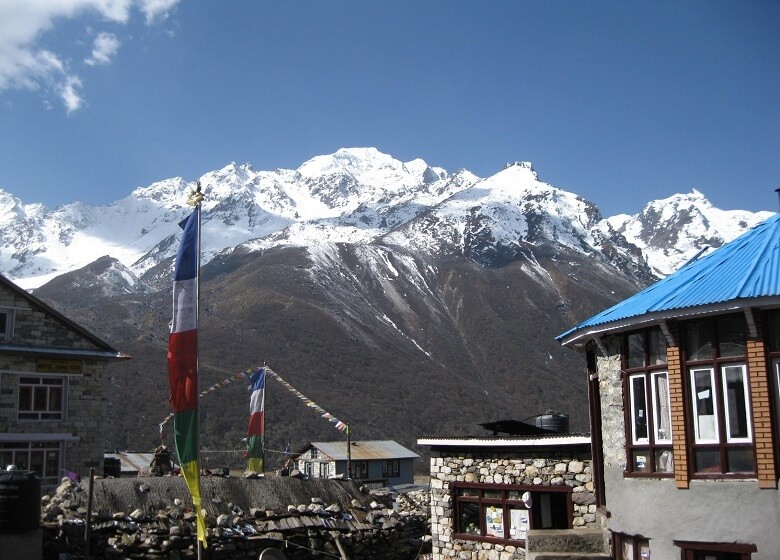
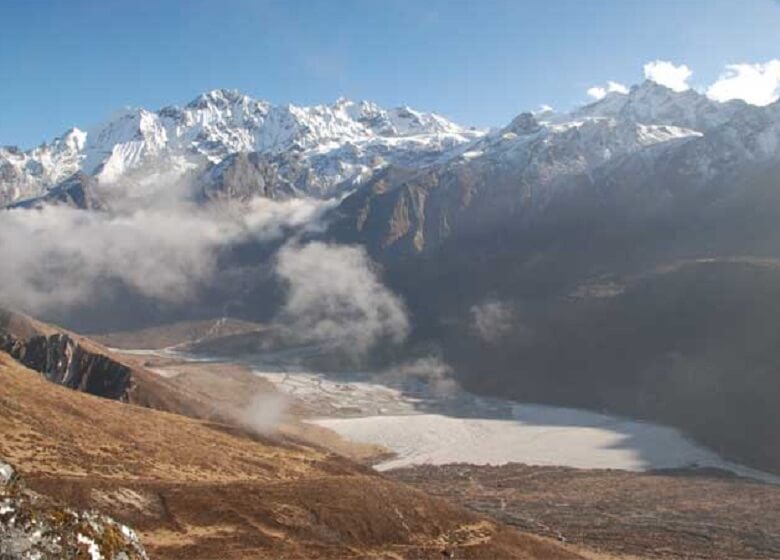
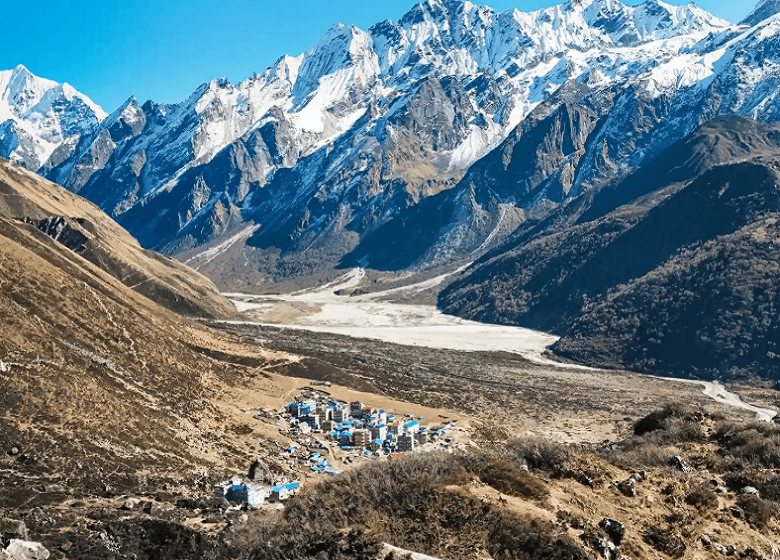
One of the key highlights of the Langtang Gosaikunda Trek is the Langtang Valley, often referred to as the “valley of glaciers.” Langtang village, a charming settlement along the route, provides stunning views of the surrounding peaks, including Langtang Lirung. The village is home to monasteries, prayer flags, and traditional stone houses, giving trekkers a deep sense of Himalayan culture. From Langtang village, the trail continues upward through alpine forests and meadows, with the surrounding peaks gradually becoming more prominent. Wildlife is abundant along the way, with possibilities of spotting red pandas, Himalayan black bears, langurs, and various pheasant species. Birdwatchers, in particular, will appreciate the diverse avian life in the national park.
As the trek ascends, the landscape transitions from forested slopes to alpine meadows and high-altitude valleys. The trail passes through settlements like Thulo Syabru, Langshisha Kharka, and Kutumsang, where trekkers can rest and experience local food. These highland pastures are often dotted with grazing yaks during the summer months, adding to the traditional Himalayan ambiance. The trekking experience is further enhanced by the spectacular views of peaks such as Ganesh Himal, Dorje Lakpa, and the Langtang range, which dominate the skyline at every turn.
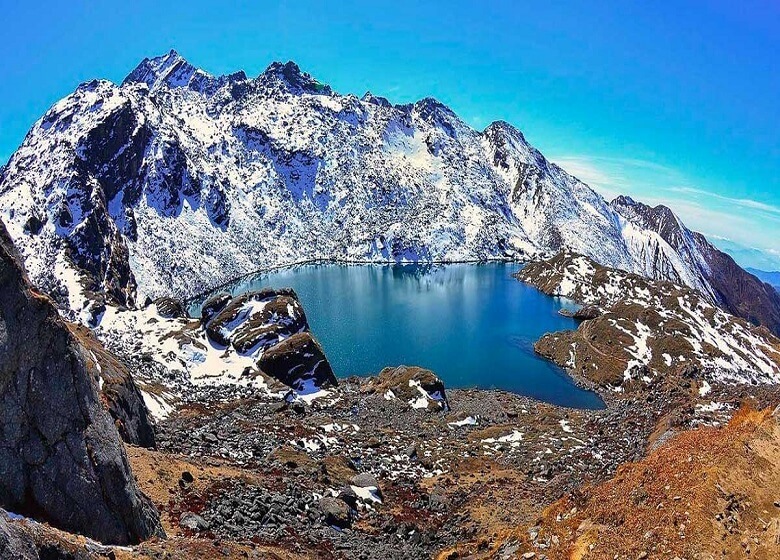
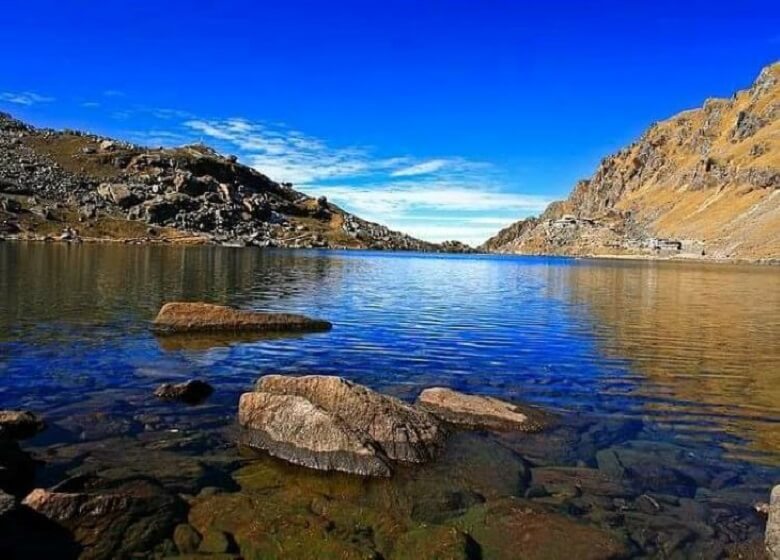
The trek’s spiritual highlight is Gosaikunda Lake, a sacred alpine lake situated at an altitude of approximately 4,380 meters. This pristine glacial lake is considered holy in Hinduism, dedicated to Lord Shiva, and is also revered by Buddhists. Pilgrims from across Nepal make the journey to Gosaikunda during the Janai Purnima festival in July or August. Trekkers reaching the lake experience not only its breathtaking natural beauty but also its spiritual ambiance. Surrounded by snow-capped peaks and smaller lakes, Gosaikunda is an ideal location for reflection and photography. The lake’s turquoise waters, particularly during clear mornings, create a striking contrast against the rugged mountain backdrop, making it one of the most photogenic spots in Nepal.
From Gosaikunda, trekkers have the option to explore other high-altitude lakes in the area, such as Saraswati Kund and Bhairab Kund. The route continues along ridgelines and valleys, offering panoramic views of the surrounding Himalayan peaks. For those who are fit and acclimatized, a short climb to Lauribina La Pass at around 4,610 meters provides one of the most rewarding vantage points of the trek, giving sweeping views of the surrounding mountains and the Langtang region. The pass also serves as the watershed between the Langtang and Helambu valleys, highlighting the geographical diversity of the area.
Accommodation along the Langtang Gosaikunda Trek is primarily in teahouses and lodges, which provide basic yet comfortable facilities for trekkers. Rooms are usually shared, and meals are prepared using local ingredients. Popular dishes include dal bhat (rice and lentils), momo (dumplings), and vegetable soups, which provide sufficient energy for trekking. Staying in teahouses also allows trekkers to interact with local families, gaining deeper insights into the cultural practices and lifestyles of the Tamang and Sherpa communities.
The trek usually takes about 8–12 days, depending on the pace and whether side hikes such as Tsergo Ri or Lauribina La Pass are included. Daily trekking hours are moderate, typically 5–6 hours, allowing for acclimatization and photography. Because most of the trek remains below 5,000 meters, altitude sickness is less of a concern compared to higher treks like Everest Base Camp, but acclimatization is still important, especially near Gosaikunda and the high passes.
The best time to undertake the Langtang Gosaikunda Trek is during the spring (March–May) and autumn (September–November) seasons. During spring, the rhododendrons bloom in vibrant colors along the trail, while autumn offers clear skies and crisp air, perfect for mountain vistas. Winter treks are possible but colder, with some sections covered in snow, while the monsoon season brings heavy rainfall and slippery trails, making trekking more challenging.
Preparation for this trek requires moderate fitness and appropriate gear, including trekking boots, layered clothing, rain protection, and a sleeping bag suitable for cold nights. Hiring a guide is recommended for navigation, safety, and cultural interpretation. Porters are available for those who prefer to carry minimal loads, allowing trekkers to focus on the scenery and experience.
In addition to the natural and cultural highlights, the Langtang Gosaikunda Trek provides opportunities for ecological and wildlife observation. Langtang National Park protects several endangered species and diverse flora, including alpine flowers, rhododendrons, and coniferous forests. Responsible trekking practices, such as minimizing waste and respecting local traditions, are encouraged to preserve the pristine environment.
Overall, the Langtang Gosaikunda Trek is a blend of adventure, culture, and spirituality, offering trekkers an unforgettable Himalayan experience. From the serene forests of Langtang Valley to the sacred waters of Gosaikunda Lake, the journey provides a balance of scenic beauty, cultural immersion, and physical challenge. Whether you are seeking a moderate Himalayan trek, a spiritual journey, or an opportunity to connect with Nepal’s natural and cultural heritage, this trek stands out as a rewarding choice.
The trek’s accessibility, combined with its rich experiences, makes it suitable for a wide range of travelers, including beginners, families, and seasoned trekkers seeking a less-crowded alternative to more popular routes. With its combination of stunning landscapes, traditional villages, high-altitude lakes, and cultural significance, the Langtang Gosaikunda Trek remains one of Nepal’s most cherished trekking adventures.
Trip Highlights
- Stunning views of Langtang Lirung, Ganesh Himal, and surrounding Himalayan peaks
- Gosaikunda Lake, a sacred alpine lake with turquoise waters and spiritual significance
- Exploration of Langtang Valley, home to Tamang and Sherpa communities
- Trek through lush rhododendron, pine, and oak forests
- Visits to traditional mountain villages with local culture and hospitality
- Opportunity to trek to Lauribina La Pass for panoramic Himalayan vistas
- Observation of wildlife, including red pandas, langurs, and Himalayan birds
- Scenic trails along rivers, waterfalls, and highland pastures
- Accommodation in authentic teahouses and lodges with local cuisine
- Immersive cultural and spiritual experience with monasteries and pilgrimage sites


