

Trip Info
-
Bus, Airline
-
3 Star hotel
-
Kathmandu
-
Feb-May
-
Eco-tour
-
All meal during trek
-
English, Spanish, Chinese
-
Easy to moderate
-
2-15
-
15
-
65
The Helambu Cultural Trek is one of Nepal’s most captivating trails, combining moderate trekking with rich cultural experiences and stunning Himalayan scenery. Situated just north of the Kathmandu Valley, Helambu offers an accessible alternative to more strenuous treks like the Everest or Annapurna circuits while still delivering the sense of adventure and immersion in local life that draws trekkers to the region. The trek is renowned for its unique blend of Buddhist culture, traditional villages, lush forests, and panoramic mountain views, making it a favorite for travelers seeking both natural beauty and cultural depth.
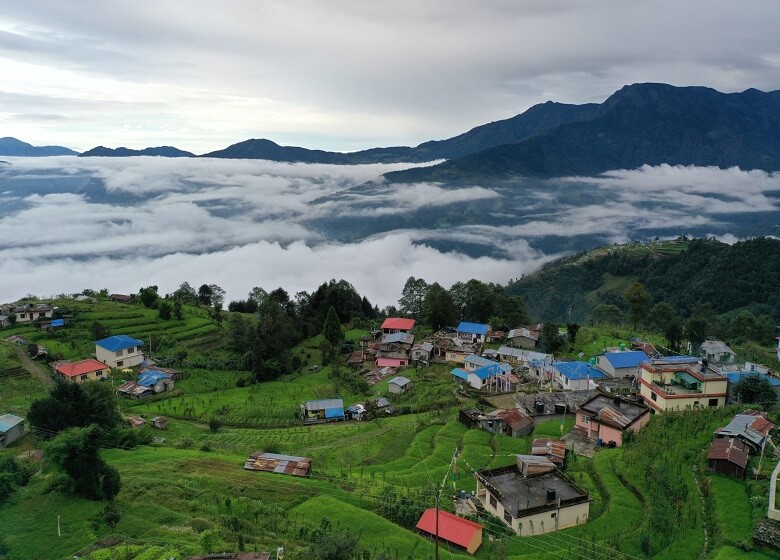
The journey typically begins with a drive from Kathmandu to Sundarijal or Melamchi, the starting points of the trek. Sundarijal, located about an hour northeast of Kathmandu, offers a quick escape from the city and a gentle introduction to rural Nepal. The road to Melamchi winds through small settlements and terraced fields, allowing trekkers to get a sense of the landscape they will traverse. From either starting point, the trail immediately immerses hikers in a combination of terraced hills, dense forests, and the serene flow of mountain streams. The path is generally well-marked, though the terrain varies from easy, flat stretches to steeper ascents that gradually acclimatize trekkers to the elevation.
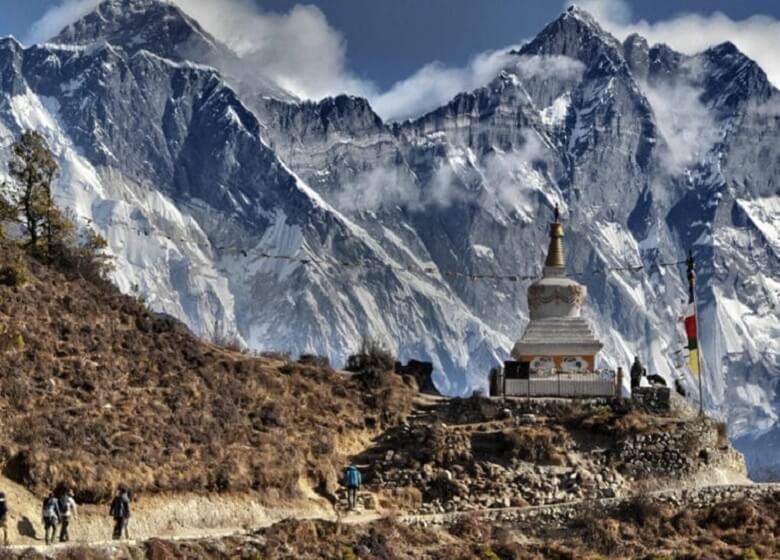
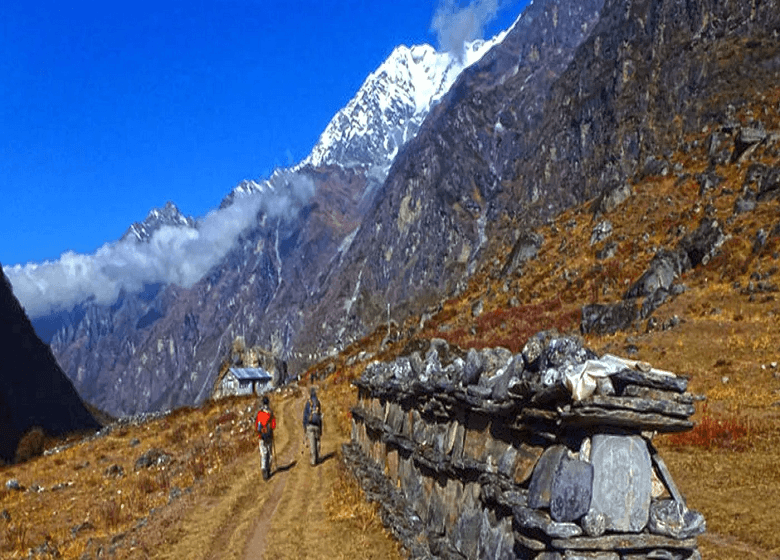
Helambu is known for its vibrant Buddhist culture. The region is predominantly inhabited by the Hyolmo and Tamang communities, ethnic groups with a long history in the area. Villages like Kutumsang, Tharepati, and Sermathang are dotted with mani walls, stupas, and monasteries, offering trekkers the opportunity to witness daily religious life up close. Monks in traditional robes can often be seen chanting at small monasteries, while local residents maintain prayer wheels and sacred sites throughout the villages. Visiting these communities provides not only a glimpse into spiritual practices but also an understanding of traditional Himalayan architecture, cuisine, and customs. Accommodation in Helambu is mostly in tea houses, small lodges run by local families. These tea houses provide simple but comfortable lodging, home-cooked meals, and the chance to interact with locals, adding an authentic layer to the trekking experience.
The trekking route is lined with forests of pine, rhododendron, and oak, which bloom vibrantly in spring. During this season, the hillsides are a riot of color, creating ideal conditions for photography and nature observation. Wildlife is abundant, and trekkers may spot langurs, Himalayan monals, and a variety of birds. The trail also crosses several suspension bridges and passes alongside cascading streams, giving a dynamic mix of forested trails and open vistas. Depending on the season, trekkers may encounter misty mornings, crisp mountain air, or light snowfall at higher elevations, each adding a different dimension to the scenery.
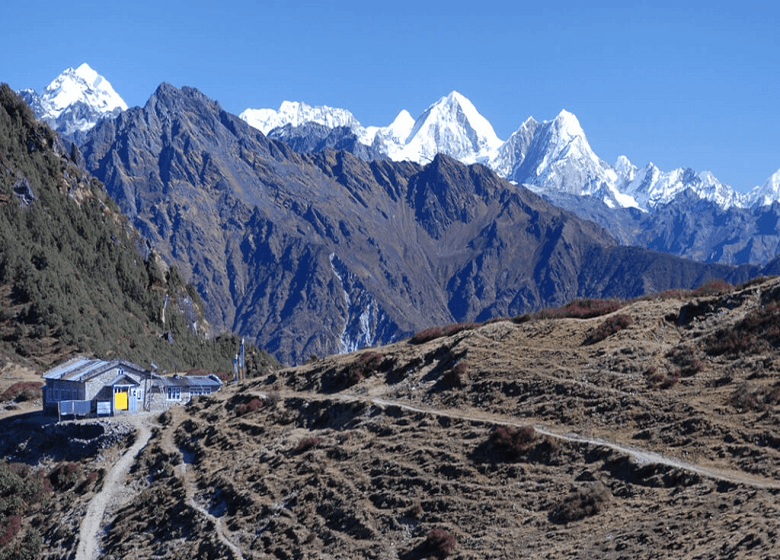
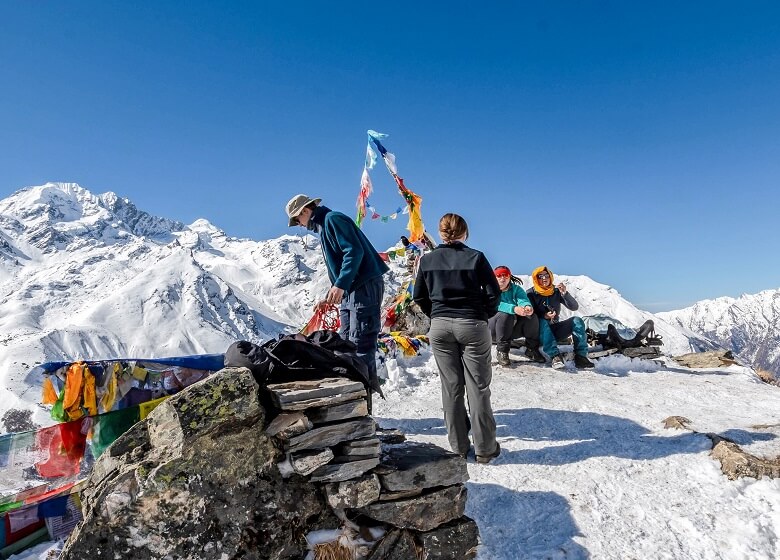
One of the highlights of the Helambu trek is the spectacular view of the Langtang and Jugal Himal ranges. Peaks such as Dorje Lakpa and Ganesh Himal dominate the horizon, providing dramatic backdrops to the villages and forests below. The trek’s moderate elevation gain makes it accessible for most hikers, with the highest point generally around 3,700 meters at Tharepati. This elevation is sufficient to offer expansive mountain views without the extreme altitude challenges faced on higher treks. The combination of accessible terrain and scenic variety ensures that the journey remains enjoyable and manageable for those with moderate trekking experience.
Helambu’s cultural richness extends to its cuisine and daily life. Meals in tea houses often feature local specialties such as momo (dumplings), thukpa (noodle soup), and dal bhat (lentil rice), giving trekkers a taste of Himalayan culinary traditions. Hospitality is a hallmark of the region, and travelers are often welcomed into homes with warm tea and stories of village life. Festivals, if they coincide with a trek, provide a unique insight into community celebrations, including traditional dances, music, and religious rituals. This interaction with local culture is a defining aspect of the Helambu experience, allowing trekkers to connect meaningfully with the people who have shaped the region for centuries.
The trek can be completed in roughly 7 to 10 days, depending on the pace and starting point. A typical itinerary moves from Sundarijal or Melamchi through Thadepati, Kutumsang, Malemchigaun, Sermathang, and Melamchi Ghyang before descending back toward Sundarijal or Kathmandu. Each stage of the trek offers a balance of walking, cultural immersion, and scenic pauses. There are several optional side trips, including short hikes to nearby viewpoints or monasteries, which can add variety and allow trekkers to explore hidden corners of the Helambu region.
Weather in Helambu is generally mild compared to higher-altitude treks. Spring and autumn are considered the best seasons, offering clear skies, moderate temperatures, and vibrant landscapes. Summer brings lush greenery but also the risk of heavy monsoon rains, which can make trails slippery. Winter is colder and may involve light snowfall, creating beautiful but more challenging conditions. Packing appropriately for variable weather and layered clothing is essential, as temperatures can fluctuate significantly between villages and higher passes.
The Helambu trek is also notable for its accessibility. Its proximity to Kathmandu makes it possible for trekkers to complete the journey without the need for long, costly flights or extensive acclimatization. This accessibility, combined with moderate difficulty and rich cultural experiences, makes Helambu a popular choice for first-time trekkers, families, and those who prefer a quieter, less commercialized route compared to more famous treks. Despite its popularity, the region maintains a sense of serenity, with trails often uncrowded and villages preserving their traditional charm.
Safety and preparedness are important considerations. While the trek is moderate, travelers should maintain a reasonable level of fitness and be prepared for steep sections, occasional loose gravel, and extended walking days. Trekking with a local guide is recommended not only for navigation but also for deeper cultural understanding, as guides often share stories, history, and insights that enrich the journey. Medical facilities are limited along the route, so carrying basic first aid supplies and altitude sickness medication is advised, even if the trek’s elevations are relatively moderate.
In conclusion, the Helambu Cultural Trek is a journey that balances natural beauty, cultural immersion, and manageable physical challenge. It offers a rich tapestry of experiences, from scenic forested trails and Himalayan vistas to intimate encounters with the Hyolmo and Tamang communities. The trek’s accessibility, moderate difficulty, and welcoming tea house accommodations make it an ideal choice for those seeking an authentic Himalayan experience without the extreme demands of high-altitude trekking. Helambu’s charm lies not only in its landscapes but also in its people and traditions, creating a journey that is as much about human connection as it is about nature. For travelers looking to explore Nepal’s cultural heart, witness spectacular mountain scenery, and experience daily life in Himalayan villages, the Helambu Cultural Trek provides a rewarding and memorable adventure.
Trip Highlights
- Immersive experience in Hyolmo and Tamang villages, witnessing traditional Himalayan culture.
- Visits to ancient monasteries, stupas, and mani walls along the trail.
- Panoramic views of the Langtang, Jugal Himal, and Ganesh Himal mountain ranges.
- Trekking through lush rhododendron, pine, and oak forests.
- Opportunities to observe local wildlife, including langurs and Himalayan birds.
- Comfortable stays in local tea houses offering authentic home-cooked meals.
- Scenic suspension bridges and streams providing picturesque trekking routes.
- Exposure to traditional Nepalese festivals, dances, and rituals when timed with the trek.
- Moderate-altitude trekking with manageable ascents, ideal for beginners and families.
- Vibrant seasonal landscapes, from spring blooms to serene winter snow-covered villages.


