

Trip Info
-
Bus, Airline
-
3 Star hotel
-
Kathmandu
-
Feb-May
-
Eco-tour
-
All meal during trek
-
English, Spanish, Chinese
-
Easy to moderate
-
2-15
-
15
-
65
The Shivapuri Trek is a rewarding journey that offers a mix of serene landscapes, cultural experiences, and a refreshing escape from the hustle of urban life. Located just north of Kathmandu, this trek is ideal for those looking for a moderate adventure without venturing too far from the city. It provides a perfect blend of nature, wildlife, and panoramic views of the Himalayas, making it a favorite among both casual hikers and seasoned trekkers.
The trek usually begins at Budhanilkantha, a small town on the northern outskirts of Kathmandu, famous for the sacred Budhanilkantha Temple. The temple houses the reclining Vishnu statue, carved from a single stone, attracting both pilgrims and tourists alike. From Budhanilkantha, the trail winds through lush forests and terraced fields, offering an immediate contrast to the cityscape left behind. Early in the morning, the area is often shrouded in mist, creating an almost mystical atmosphere. The soft sunlight filtering through the trees highlights the vibrant green of the forest, giving the first few hours of the trek a peaceful and rejuvenating start.
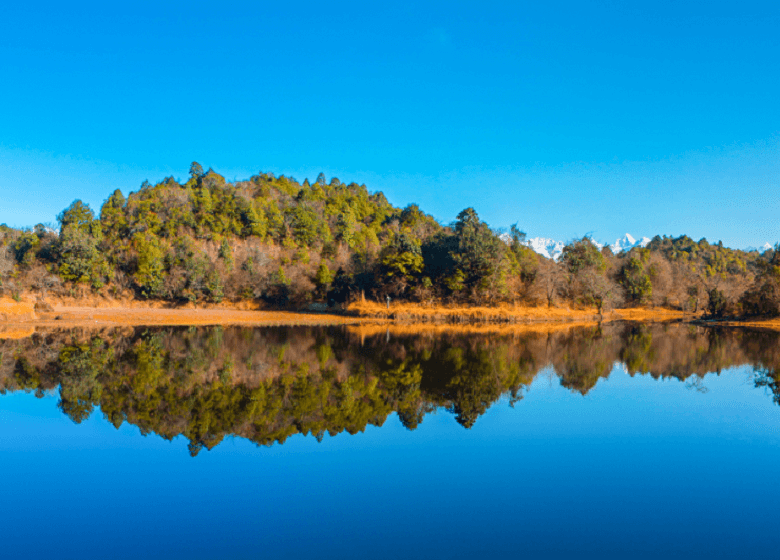
As the trail ascends, trekkers move through dense rhododendron and pine forests. These sections are especially captivating during the spring when rhododendrons bloom in brilliant shades of red, pink, and white, painting the hillside with color. The forest is home to various birds and small mammals, adding an element of wildlife observation to the hike. Experienced trekkers often pause to listen for the calls of Himalayan birds, while casual hikers can simply enjoy the fresh forest air and the quiet rustle of leaves overhead.
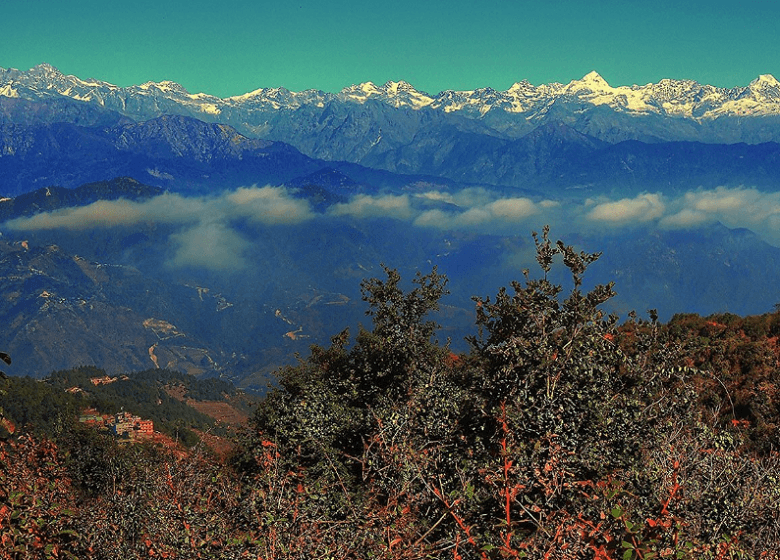
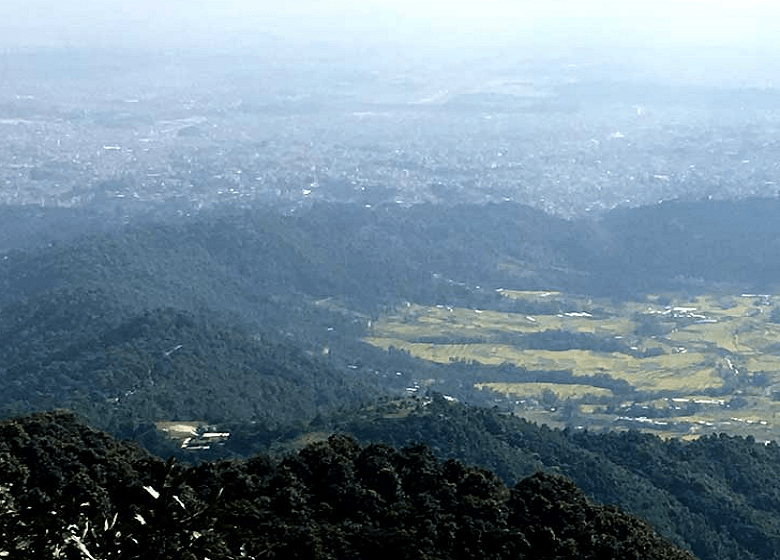
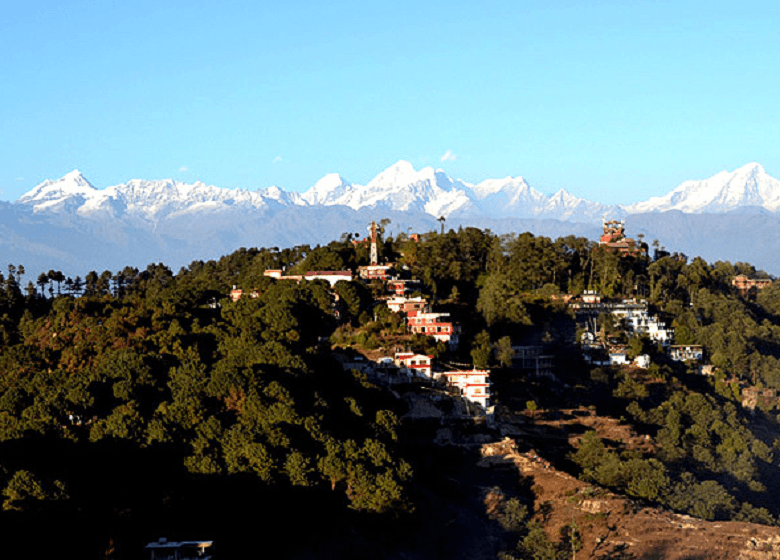
One of the highlights of the Shivapuri Trek is the opportunity to gain panoramic views of the Kathmandu Valley. As the trail rises above the tree line, hikers are greeted with sweeping vistas of the valley below, dotted with temples, villages, and the distant sprawl of Kathmandu city. On a clear day, the silhouette of the snow-capped Himalayan peaks, including Langtang, Ganesh Himal, and even Annapurna in the far distance, is visible. These views provide excellent photography opportunities and a strong sense of the scale and beauty of Nepal’s diverse landscapes.
Shivapuri National Park, which encompasses the trek, is one of Nepal’s lesser-known gems. The park protects a variety of flora and fauna, from wild monkeys and deer to elusive leopards and birds of prey. While trekking, one might spot barking deer or playful langurs along the trail. The park also contains several holy sites and small monasteries tucked into the forested slopes, offering glimpses of the spiritual heritage that has long been intertwined with these mountains. The combination of natural and cultural elements makes the trek particularly enriching.
The trek’s ascent is gradual but steady, making it accessible to most people in good health. Overnight options vary, ranging from simple teahouses in small villages to tented camps in more remote areas. Staying in a teahouse offers a chance to interact with local people, taste homemade Nepali meals, and experience the warmth of village hospitality. Evening meals are often accompanied by stories from local guides or fellow trekkers, creating a cozy communal atmosphere. The nights are peaceful, and on clear evenings, stargazing from the higher elevations becomes a memorable experience.
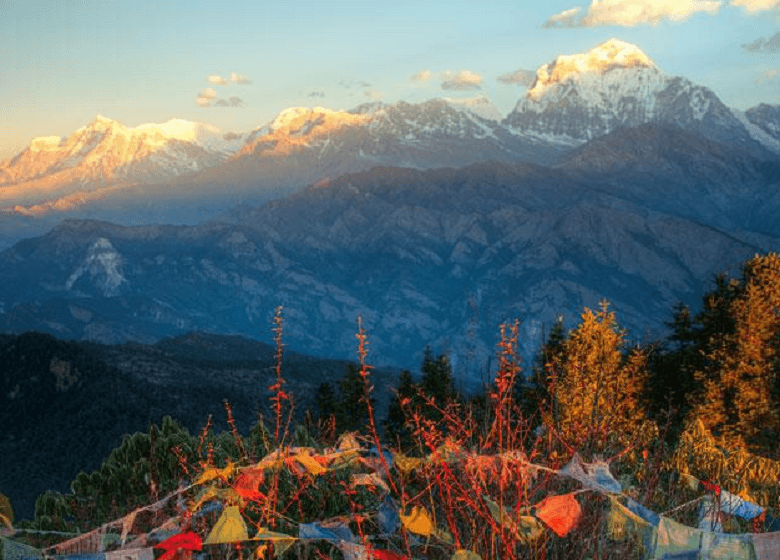
The peak of the trek is the Shivapuri Peak, standing at around 2,732 meters. From this vantage point, hikers are rewarded with an almost 360-degree panorama of the surrounding region. To the south, the entire Kathmandu Valley stretches out below, while to the north, the Himalayas dominate the skyline. The combination of forests, distant snow peaks, and the valley below creates a breathtaking view that is worth the effort of the climb. The summit also has religious significance, with several small shrines and prayer flags marking the area, reflecting the spiritual connection that locals maintain with the land.
The descent from Shivapuri Peak offers a different perspective, moving through shaded forests and past small streams. The trail often passes through rural villages where traditional Nepali life can be observed firsthand. Farmers work in terraced fields, children play in the open spaces, and villagers go about their daily routines, providing a charming contrast to the natural grandeur of the trek. These encounters add a personal dimension to the journey, making it more than just a physical challenge.
Along the route, trekkers can also explore alternative trails that connect to Nagi Gompa, a serene Buddhist monastery perched on a ridge. The path to Nagi Gompa is slightly steeper but rewards visitors with close-up views of monastic life and the opportunity to meditate or simply enjoy the tranquility of the setting. The monastery itself offers a quiet refuge, with its prayer flags fluttering in the wind and the soft sound of bells and chants blending with the forest ambiance.
The trek is flexible in terms of duration. While it can be completed in two to three days, some hikers choose to extend their journey to explore more of Shivapuri National Park, take side trips to nearby villages, or simply spend extra time at viewpoints. Each day presents a balance of moderate physical activity and ample opportunities for rest and reflection. The trails are generally well-marked, making it easy for independent trekkers, though hiring a local guide can enrich the experience through shared knowledge of wildlife, flora, and local customs.
Preparation for the Shivapuri Trek is relatively straightforward. The moderate altitude means acclimatization is less of a concern than in higher Himalayan treks, but appropriate hiking footwear, layered clothing, and rain gear are recommended due to unpredictable weather. The trail can become muddy and slippery during the monsoon season, while winters offer crisp, clear air with occasional frost. Regardless of the season, the trek provides a satisfying mix of physical exercise, fresh air, and scenic beauty.
Overall, the Shivapuri Trek is a remarkable way to experience Nepal’s natural and cultural richness within a short distance from the capital. It combines the serenity of forests, the challenge of a moderate ascent, breathtaking views of the Himalayas, and immersive cultural experiences. The trek is suitable for beginners with basic fitness levels as well as for experienced trekkers seeking a peaceful, off-the-beaten-path adventure. Whether the goal is photography, meditation, wildlife spotting, or simply enjoying the outdoors, the Shivapuri Trek delivers a fulfilling and memorable journey.
The trek’s accessibility, combined with its diverse experiences, makes it ideal for both short getaways and longer explorations. From the quiet of the forest trails to the expansive views from the summit, every step of the journey offers a new perspective. It’s a trek that encourages reflection, connection with nature, and appreciation of the subtle beauty found in Nepal’s hills and valleys. Shivapuri remains a destination where both the mind and body can rejuvenate, leaving travelers with lasting memories and a renewed sense of wonder.
Trip Highlights
- Stunning panoramic views of the Kathmandu Valley from the higher elevations.
- Breathtaking Himalayan vistas, including Langtang, Ganesh Himal, and Annapurna ranges.
- Peaceful forest trails through rhododendron, pine, and oak woodlands.
- Opportunity to spot wildlife such as langurs, barking deer, and various Himalayan birds.
- Visit to Budhanilkantha Temple, home of the iconic reclining Vishnu statue.
- Exploration of Shivapuri Peak with spiritual shrines and prayer flags at the summit.
- Experience of traditional Nepali village life along the trail, with terraced fields and local hospitality.
- Visit to Nagi Gompa, a serene Buddhist monastery nestled on a ridge.
- Comfortable overnight stays in teahouses offering local meals and cultural interaction.
- Accessible moderate trekking with a mix of nature, adventure, and cultural immersion near Kathmandu.


