

Trip Info
-
Bus, Airline
-
3 Star hotel
-
Kathmandu
-
Feb-May
-
Eco-tour
-
All meal during trek
-
English, Spanish, Chinese
-
Easy to moderate
-
2-15
-
15
-
65
The Lower Manaslu Trek is an emerging trekking route in Nepal that offers a rich blend of cultural heritage, scenic landscapes, and off-the-beaten-path adventure. Located in the foothills of the Manaslu region, this trek provides a quieter and more accessible alternative to the classic Manaslu Circuit. It is ideal for travelers who want to experience authentic rural Nepal, diverse ethnic cultures, and beautiful Himalayan views without committing to high-altitude trekking or long expedition-style journeys.
The journey typically begins with a drive from Kathmandu to Gorkha, a historic town known as the birthplace of King Prithvi Narayan Shah, the unifier of modern Nepal. Gorkha itself is a major highlight, featuring the iconic Gorkha Durbar, an ancient palace and fort perched on a hilltop overlooking the surrounding valleys. From here, the trek moves into the lower hills of the Manaslu region, where the trails wind through terraced farmlands, lush forests, and traditional villages that have remained largely untouched by modern tourism.
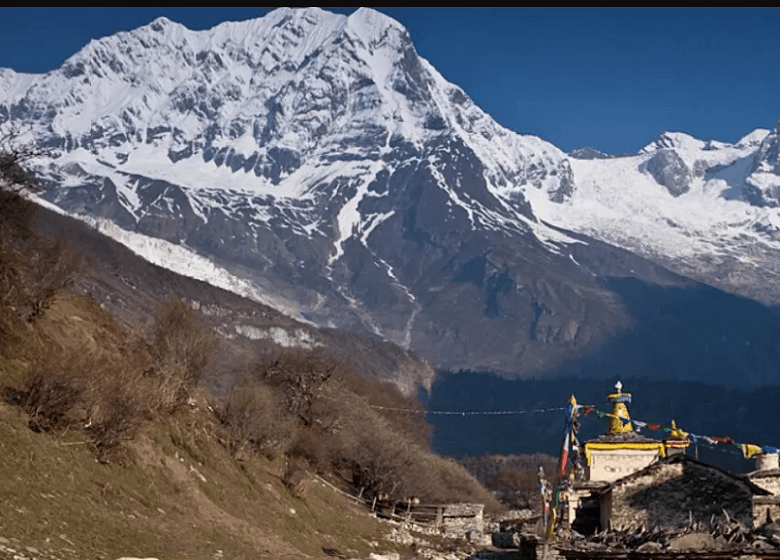
One of the defining features of the Lower Manaslu Trek is its cultural diversity. The region is home to a mix of ethnic communities, including Gurung, Magar, Brahmin, and Chhetri groups, each with their own customs, traditions, and lifestyles. As you walk through villages such as Barpak, Laprak, and Dharche, you gain insight into daily life in rural Nepal. These villages are known for their traditional stone houses, vibrant festivals, and warm hospitality. Barpak, in particular, is a large and culturally rich Gurung village that offers panoramic views of the surrounding mountains and valleys.
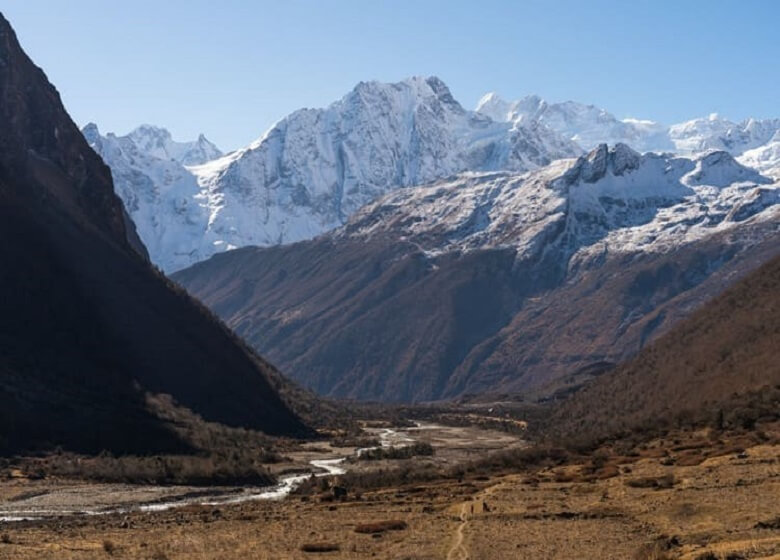
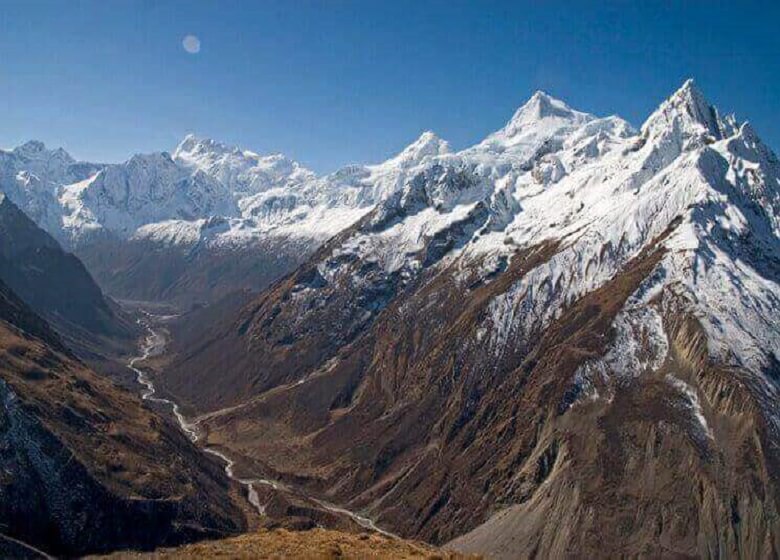
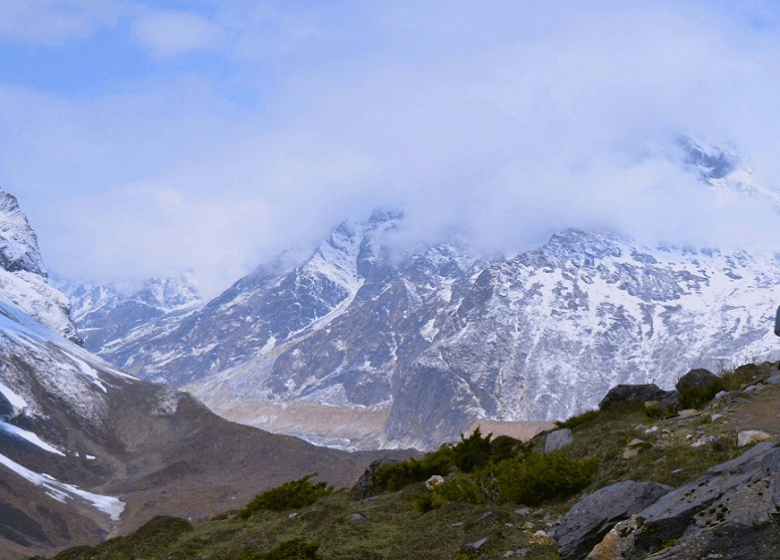
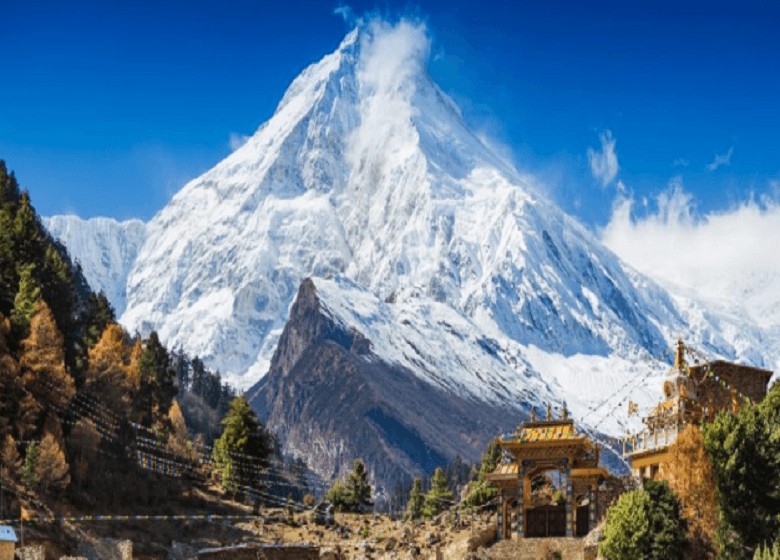
The natural beauty of the Lower Manaslu region is equally captivating. The trek takes you through green hills, river valleys, waterfalls, and forested trails, offering constantly changing scenery. While the trek remains at relatively lower altitudes compared to the Manaslu Circuit, it still provides impressive views of snow-capped peaks such as Manaslu (8,163 m), Ganesh Himal, and Himalchuli. These distant but majestic mountain vistas add a dramatic backdrop to the otherwise gentle terrain.
Another highlight of the Lower Manaslu Trek is the opportunity to explore less crowded trails. Unlike the popular trekking routes in Nepal, this region sees fewer visitors, allowing for a more peaceful and immersive experience. The quiet trails enhance the connection with nature and local culture, making it an excellent choice for those seeking solitude and authenticity. You are more likely to encounter locals going about their daily routines than large groups of trekkers, which adds to the charm of the journey.
The trek also holds historical and cultural significance, particularly due to its proximity to Gorkha. Many of the villages along the route played important roles during Nepal’s unification and have preserved their traditional way of life. Additionally, the region was significantly affected by the 2015 earthquake, and trekking here contributes to the ongoing recovery and development of local communities. Visitors can witness the resilience of the people as well as the rebuilding efforts that have taken place over the years.
In terms of difficulty, the Lower Manaslu Trek is considered easy to moderate, making it suitable for beginners, families, and those with limited trekking experience. The trails involve gradual ascents and descents, with daily walking times typically ranging from 4 to 6 hours. The lower altitude reduces the risk of altitude sickness, making it a safer option for those who are not accustomed to high elevations. This also means that trekkers can focus more on enjoying the scenery and cultural experiences rather than dealing with the physical challenges of extreme altitude.
Accommodation on the Lower Manaslu Trek is generally in homestays and basic lodges, which provide a more intimate and authentic experience compared to standard teahouse trekking. Staying with local families allows trekkers to enjoy home-cooked meals, learn about traditional customs, and engage in meaningful cultural exchanges. Typical meals include Nepali staples such as dal bhat (rice and lentils), vegetables, pickles, and locally grown produce. The simplicity of the accommodations is balanced by the warmth and hospitality of the hosts.
The best time to undertake the Lower Manaslu Trek is during spring (March to May) and autumn (September to November). These seasons offer clear skies, pleasant temperatures, and the best visibility of mountain views. Spring is particularly beautiful, with blooming rhododendrons adding color to the landscape, while autumn provides crisp air and excellent trekking conditions. Winter is also possible, though temperatures can be cooler, while the monsoon season brings heavy rainfall and can make trails slippery.
Accessibility is another advantage of the Lower Manaslu Trek. The starting point, Gorkha, is easily reachable by road from Kathmandu, usually within 5 to 6 hours. This eliminates the need for domestic flights and simplifies logistics, making it a convenient option for travelers. The trek can typically be completed in 6 to 10 days, depending on the chosen itinerary and pace, making it suitable for those with limited time.
Preparation for the trek is relatively straightforward. Basic trekking gear such as comfortable hiking shoes, layered clothing, a rain jacket, and a daypack is sufficient. While the trek can be done independently, hiring a local guide is highly recommended. Guides not only assist with navigation but also provide valuable insights into the culture, history, and environment of the region. Porters are available for those who prefer to travel light.
In addition to its cultural and natural attractions, the Lower Manaslu Trek offers opportunities for community-based tourism. Many of the homestays and services along the route are managed by local communities, ensuring that tourism benefits are distributed directly to residents. This makes the trek a responsible travel choice, allowing visitors to contribute positively to the local economy while enjoying an authentic experience.
Trip Highlights
- Scenic trek through the foothills of the Manaslu region with diverse landscapes
- Visit to historic Gorkha Durbar, birthplace of King Prithvi Narayan Shah
- Stunning views of Mount Manaslu (8,163 m), Ganesh Himal, and Himalchuli
- Cultural immersion in traditional Gurung and Magar villages like Barpak and Laprak
- Experience authentic community-based homestays with local hospitality
- Walk through terraced farmlands, forests, waterfalls, and river valleys
- Less crowded trails offering a peaceful and off-the-beaten-path experience
- Insight into rural Nepalese lifestyle, traditions, and festivals
- Opportunity to support local communities and post-earthquake recovery efforts
- Ideal for beginners with easy to moderate trekking difficulty and lower altitude


