

Trip Info
-
Bus, Airlines
-
3 Star Hotel
-
Kathmandu
-
Feb-May
-
Eco-tour
-
All meals during trek
-
English, Spanish, Chinese
-
Easy to moderate
-
2-15
-
15
-
65
The Pikey Peak Trek is one of the best short treks in the lower Everest region, offering stunning Himalayan views, rich Sherpa culture, and a peaceful trail far from the crowds of the classic Everest routes. Often described as a hidden gem, this trek delivers panoramic mountain scenery, including Mount Everest itself, without the need to go to extreme altitudes. It is ideal for those who want an authentic Himalayan experience in a shorter timeframe while still enjoying breathtaking landscapes.
The journey usually begins with a scenic drive from Kathmandu to Dhap or Phaplu, depending on the chosen route. The drive itself is an experience, passing through rolling hills, rivers, and traditional Nepali villages. As you leave the city behind, the scenery gradually becomes more rural and mountainous, setting the tone for the days ahead. Unlike the Lukla flight required for many Everest treks, this overland approach feels more gradual and grounded.
The trail starts in the lower Solu region, an area less visited by trekkers but rich in culture and natural beauty. The first few days take you through dense forests of pine and rhododendron, terraced farmlands, and small villages inhabited by Sherpa and other ethnic communities. The atmosphere is calm and unhurried, and you often find yourself walking for hours without encountering many other trekkers. This sense of solitude is one of the defining features of the Pikey Peak Trek.
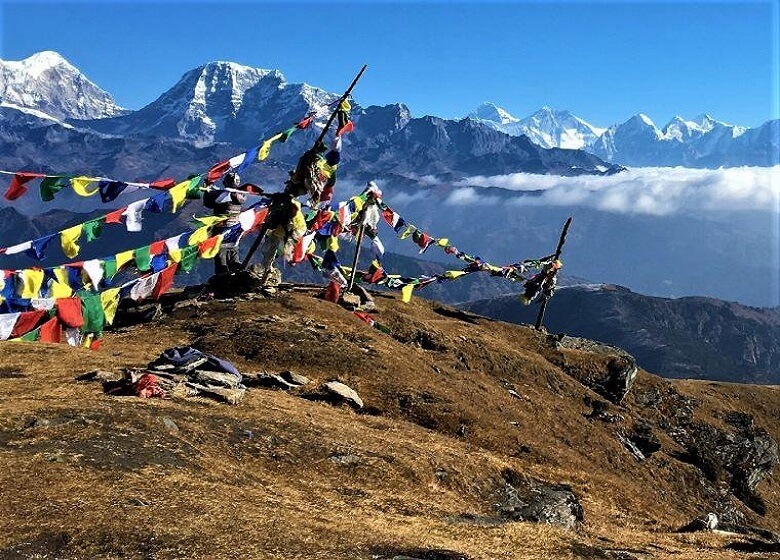
As you ascend, the views begin to open up. Snow-capped peaks appear on the horizon, growing larger and more dramatic with each step. The trail gradually climbs toward Pikey Peak Base Camp, passing through yak pastures and high ridgelines. Along the way, you encounter prayer flags, mani stones, and small monasteries that reflect the deep Buddhist heritage of the region. These cultural elements add a spiritual dimension to the trek, making it more than just a physical journey.
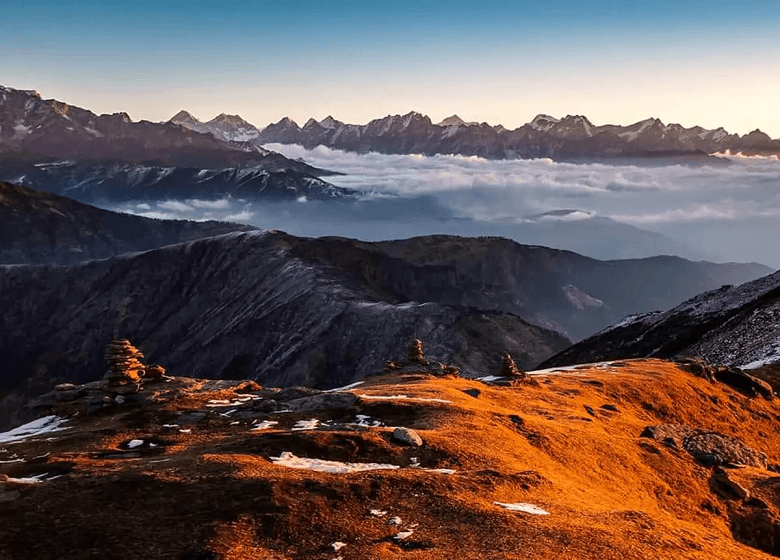
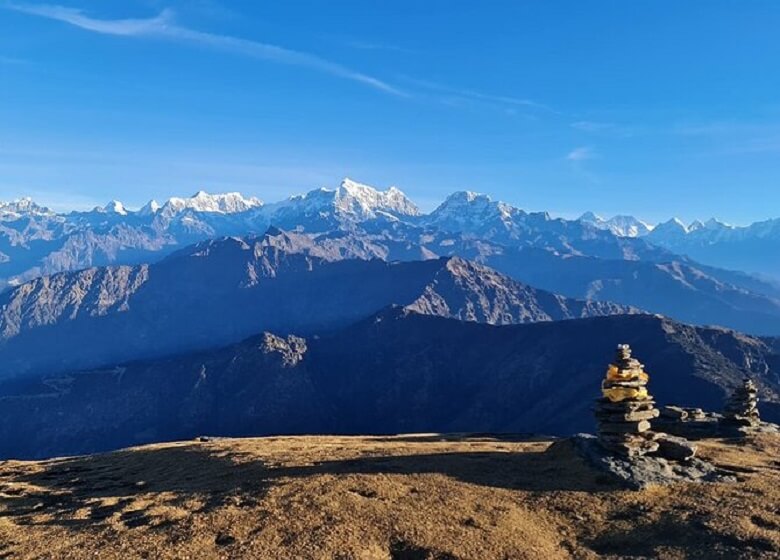
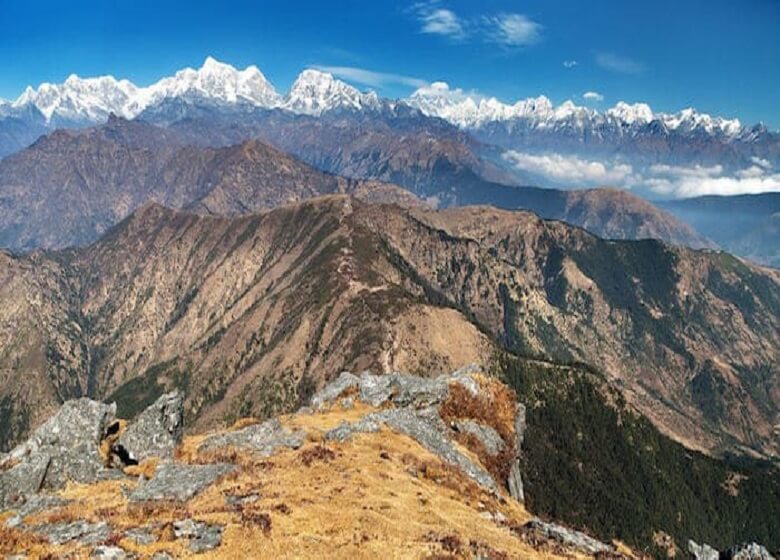
Reaching Pikey Peak Base Camp is a significant milestone, but the true highlight comes with the early morning hike to the summit of Pikey Peak, which stands at around 4,065 meters. The climb is usually done before sunrise, and while it can be chilly and slightly challenging due to the altitude, the reward at the top is extraordinary. As the first light of day spreads across the sky, a vast panorama of Himalayan giants comes into view.
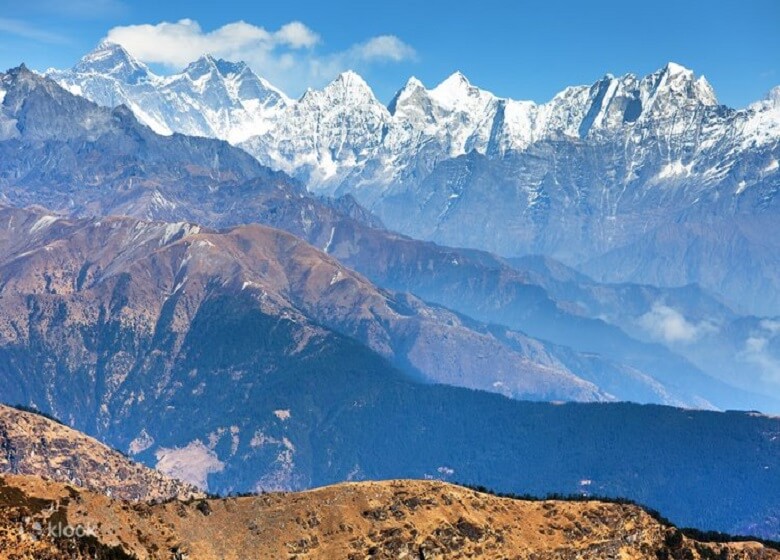
From the summit, you can see a sweeping range of peaks, including Everest, Lhotse, Makalu, Kanchenjunga, and Annapurna on clear days. Few treks offer such a wide and unobstructed view of the Himalayas from a relatively low altitude. Even Sir Edmund Hillary is said to have considered Pikey Peak one of his favorite viewpoints for observing Everest. Watching the sunrise illuminate these towering mountains is a moment that stays with you long after the trek is over.
After taking in the views, the trail descends through beautiful landscapes toward villages like Junbesi, one of the most charming settlements in the Solu region. Junbesi is known for its traditional architecture, friendly locals, and peaceful surroundings. It is also home to Thupten Chholing Monastery, a significant Buddhist site where you can witness monastic life and perhaps even attend a prayer ceremony. Spending time here provides a deeper connection to the cultural side of the trek.
The descent continues through forests and farmland, offering a different perspective on the landscape. As you move lower, the air becomes warmer, and the vegetation becomes more lush. The return journey often includes stops in villages like Phaplu or Salleri, where you can relax and reflect on the experience before heading back to Kathmandu.
One of the key advantages of the Pikey Peak Trek is its accessibility. The altitude is moderate compared to other Himalayan treks, which reduces the risk of altitude sickness. This makes it suitable for a wide range of trekkers, including beginners with a good level of fitness. The shorter duration, typically around 7 to 10 days, also makes it an attractive option for those with limited time.
Despite its relatively lower altitude, the trek does not compromise on scenery. The variety of landscapes, from forests and fields to high ridges and mountain viewpoints, ensures that each day feels different. The changing light and weather conditions add to the experience, with clear mornings often giving way to misty afternoons that create a mystical atmosphere.
Culturally, the trek offers a more intimate and authentic experience compared to busier routes. The Solu region has a strong Sherpa presence, and the traditions and lifestyle here are deeply rooted in Tibetan Buddhism. Interactions with locals tend to be more personal, as tourism has not overtaken daily life to the same extent as in the Khumbu region. Staying in family-run teahouses adds to this sense of connection.
The trek also stands out for its peacefulness. Without the crowds found on the Everest Base Camp trail, you have more space to appreciate the surroundings and move at your own pace. The quiet trails, combined with the natural beauty of the region, create a sense of calm that is hard to find elsewhere.
In terms of difficulty, the Pikey Peak Trek is considered moderate. There are some steep sections, particularly during the ascent to the peak, but the overall pace is manageable. Daily walking times are reasonable, and there is enough time to rest and enjoy the journey. Proper preparation, including basic fitness and suitable gear, is still important, but the trek is less physically demanding than higher-altitude routes.
The best times to undertake the trek are during spring and autumn. In spring, the forests come alive with blooming rhododendrons, adding vibrant colors to the landscape. Autumn offers clear skies and excellent visibility, making it ideal for mountain views. Winter treks are possible but can be cold, while the monsoon season brings rain and limited visibility.
Overall, the Pikey Peak Trek is a perfect combination of natural beauty, cultural richness, and accessibility. It offers many of the highlights of the Everest region without the challenges of extreme altitude or heavy crowds. Whether you are new to trekking or looking for a quieter alternative to more popular routes, this trek provides a rewarding and memorable Himalayan experience.
Trip Highlights
- Panoramic sunrise from Pikey Peak (4,065 m)
- Close-up view of Mount Everest (without high altitude)
- Less crowded and peaceful trails
- Rich Sherpa culture and lifestyle
- Beautiful rhododendron forests
- Visit to Junbesi village
- Thupten Chholing Monastery
- Diverse landscapes
- Moderate altitude, lower risk of AMS
- Scenic drive experience from Kathmandu


