

Trip Info
-
Bus, Airline
-
3 Star hotel
-
Kathmandu
-
Feb-May
-
Eco-friendly
-
All meals during trek
-
English, Spanish, Chinese
-
Easy to moderate
-
2-15
-
15
-
65
The Khaptad National Park Trek is one of Nepal’s most serene and lesser-known trekking adventures, offering a unique combination of natural beauty, cultural richness, and historical significance. Located in the far-western region of Nepal, the park spans four districts, Doti, Bajhang, Bajura, and Achham covering an area of approximately 225 square kilometers. Unlike the high-altitude Himalayan expeditions, the Khaptad Trek is moderately challenging and accessible for trekkers with average fitness, making it an ideal choice for those seeking natural beauty, wildlife, and cultural immersion without extreme altitudes.
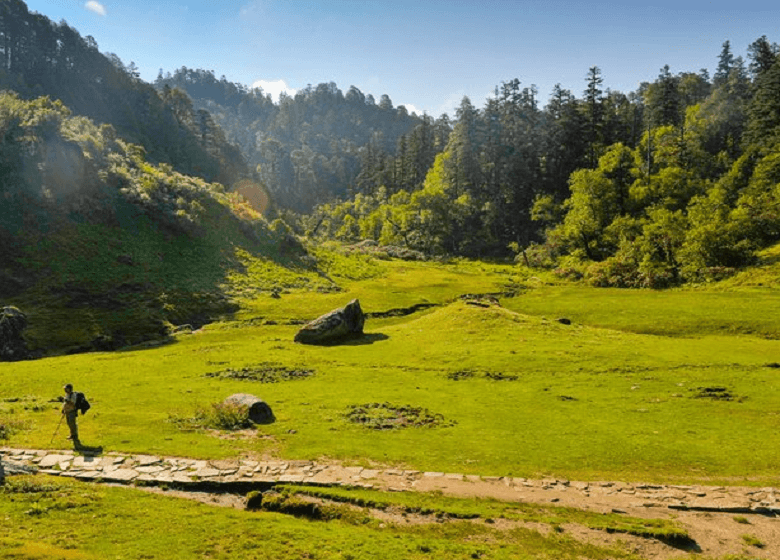
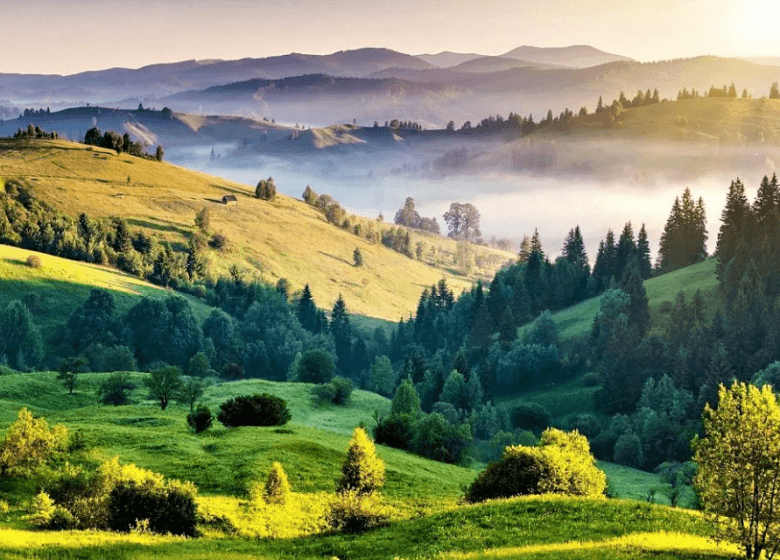
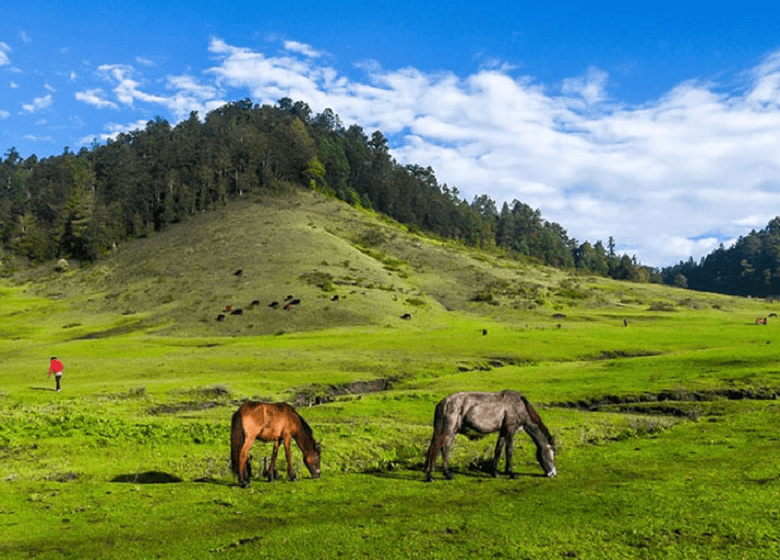
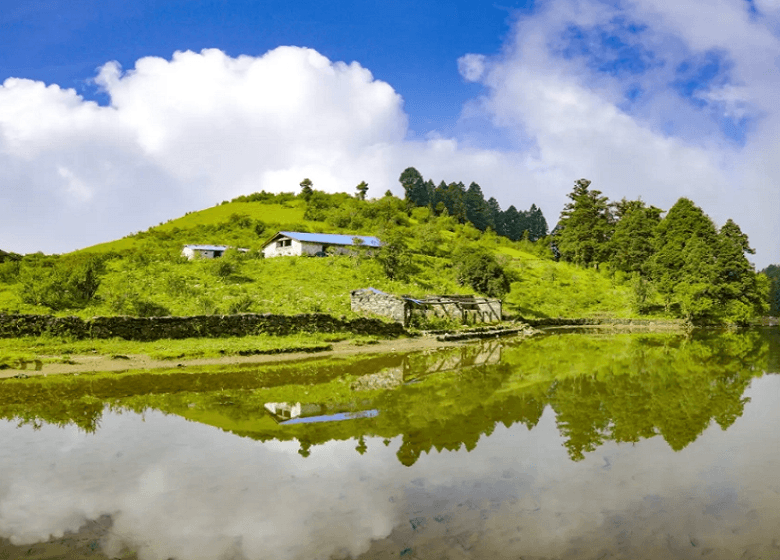
Khaptad National Park is renowned for its diverse ecosystems. The trek traverses subtropical forests, temperate oak and pine forests, alpine meadows, and rolling grasslands. The flora is especially rich and diverse, including hundreds of species of medicinal plants, wildflowers, and rhododendrons that bloom in vibrant colors during spring. This ecological diversity makes the trek particularly appealing to botanists, nature enthusiasts, and photographers. The park is also home to wildlife such as barking deer, Himalayan black bears, leopards, porcupines, foxes, and numerous bird species, including pheasants and Himalayan monals. Trekkers with patience and keen observation can enjoy wildlife sightings in a relatively undisturbed natural environment, which is increasingly rare in Nepal’s more trafficked national parks.
The trek typically begins with a journey to Dipayal or Dhangadi, depending on flight or road connections, followed by a drive to the trailhead at Khaptad Chaur or nearby villages. From the start, trekkers experience the sense of seclusion and tranquility that defines this region. The trails are gentle yet undulating, offering a mix of forest paths, grassy meadows, and panoramic ridge walks. Unlike commercial trekking routes in central Nepal, Khaptad is sparsely visited, which allows trekkers to enjoy the scenery in peace, often with only the sound of birds, wind, and distant rivers accompanying them.
A key highlight of the Khaptad Trek is its cultural and historical significance. The area is closely associated with Khaptad Baba, a revered Hindu saint who spent much of his life meditating in this remote wilderness. His ashram and meditation caves are located within the park, attracting pilgrims from across Nepal. Trekkers have the unique opportunity to visit these spiritual sites, experiencing a sense of calm and reflection that complements the natural beauty of the region. This cultural dimension adds a meaningful layer to the trekking experience, blending adventure with introspection and spiritual exploration.
The trek passes through several small villages inhabited primarily by Chhetri, Brahmin, and Dalit communities, along with some ethnic groups specific to far-western Nepal. These villages provide insight into rural life in the region, with terraced fields, traditional homes, and livestock forming the backbone of local livelihoods. Staying in local lodges or tea houses offers a glimpse into daily routines, local cuisine, and the simplicity of life in a remote Himalayan setting. The hospitality in these villages is warm and genuine, making interactions with locals one of the highlights of the trek.
One of the most striking features of the Khaptad Trek is the panoramic views it offers of the far-western Himalayan range, including peaks like Api, Saipal, and Nampa Himal. From high ridges and open meadows, trekkers can enjoy sweeping vistas of snow-capped peaks juxtaposed against rolling green valleys. These viewpoints are ideal for photography, meditation, or simply soaking in the vastness and tranquility of the region. Unlike crowded viewpoints in Annapurna or Everest, the vistas in Khaptad feel untouched and intimate, offering a deeply personal connection with the mountains.
The trek’s moderate difficulty makes it suitable for a wide range of trekkers, including those who are new to highland trekking but are physically fit. The trail involves gradual ascents and descents, with occasional steeper sections when approaching ridges or viewpoints. While the trek does not require technical climbing skills, proper hiking footwear, trekking poles, and layered clothing are recommended to navigate variable terrain and changing weather conditions. Acclimatization is less of an issue compared with high-altitude expeditions, but rest days or short hikes to nearby ridges can enhance the experience and allow trekkers to adjust to the slightly higher elevations.
The biodiversity of Khaptad National Park is another major draw. The area hosts over 400 species of plants, including rare medicinal herbs used in traditional practices. Birdwatchers can spot colorful species such as monal pheasants, kalij pheasants, and other endemic birds. The forested areas are habitats for barking deer, porcupines, and the elusive leopard, while the grasslands are often dotted with small mammals. For trekkers interested in natural history, the park offers a rich tapestry of flora and fauna, all set within the backdrop of dramatic Himalayan ridges and valleys.
Trekking in Khaptad also offers a sense of adventure and exploration. The remoteness of the area means trails are less clearly marked and fewer trekkers are encountered, requiring some navigation skills and a spirit of self-reliance. Despite this, the region is safe, and local guides are available to assist with route-finding, cultural interpretation, and logistics. Guides also provide valuable insights into medicinal plants, wildlife behavior, and the history of Khaptad Baba, enriching the trek beyond its scenic beauty.
Accommodation along the route is simple but comfortable, with tea houses or lodges providing warm meals, basic bedding, and a chance to rest after a day of trekking. Meals often include rice, lentils, vegetables, and local specialties such as buckwheat pancakes, providing both nutrition and a taste of regional cuisine. Staying in local lodges also supports the livelihoods of remote communities, creating a sustainable model of tourism that benefits both visitors and residents.
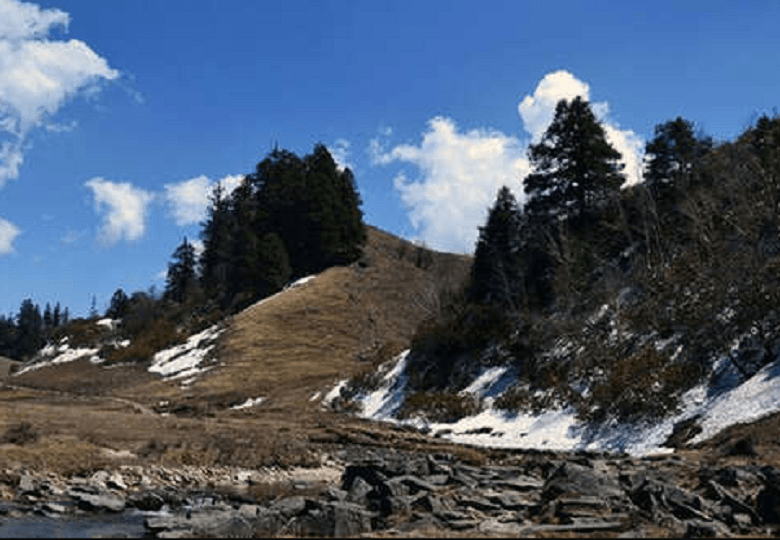
The Khaptad National Park Trek is best undertaken during pre-monsoon (March to May) and post-monsoon (September to November) seasons, when skies are clear, the weather is stable, and the wildflowers are in bloom. These periods also provide the best conditions for observing wildlife and enjoying panoramic views of the distant Himalayas. Trekkers should be prepared for cold nights, especially at higher elevations, and occasional rain or wind in the subtropical and temperate zones. Proper preparation ensures a safe and comfortable trekking experience.
Trip Highlights
- Explore the remote and pristine Khaptad National Park with minimal tourist traffic
- Visit the spiritual Khaptad Baba Ashram and meditation caves
- Trek through diverse ecosystems: subtropical forests, temperate woodlands, alpine meadows, and grasslands
- Panoramic views of far-western Himalayan peaks, including Api, Saipal, and Nampa Himal
- Discover rich biodiversity, including Himalayan monals, barking deer, leopards, and rare medicinal plants
- Experience authentic rural life in far-western Nepalese villages
- Enjoy colorful wildflowers and rhododendron blooms in spring
- Hike along panoramic ridges and open meadows with breathtaking valley vistas
- Capture pristine landscapes for photography and wildlife observation
- Moderate trekking with opportunities for cultural, spiritual, and nature immersion


