

Trip Info
-
Bus, Airline
-
3 Star hotel
-
Kathmandu
-
Feb-May
-
Eco-tour
-
All meal during trek
-
English, Spanish, Chinese
-
Easy to moderate
-
2-15
-
15
-
65
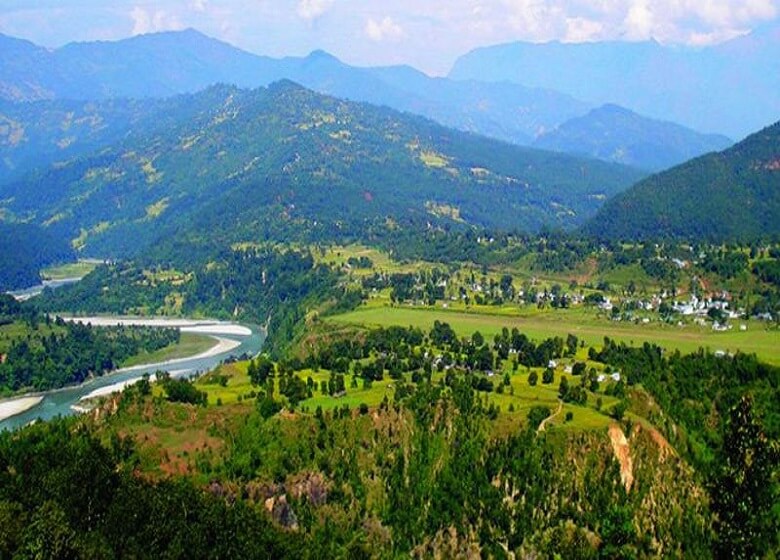
The Arun Valley Trek is one of Nepal’s most scenic and culturally rich trekking experiences, offering a unique journey through the eastern Himalayas. Located between the Everest and Makalu regions, the Arun Valley is known for its deep river gorge, diverse landscapes, and traditional villages that remain largely untouched by modern development. Unlike high-altitude treks that focus on reaching a specific base camp or summit, the Arun Valley Trek emphasizes cultural immersion, natural beauty, and a quieter trekking experience away from crowded routes.
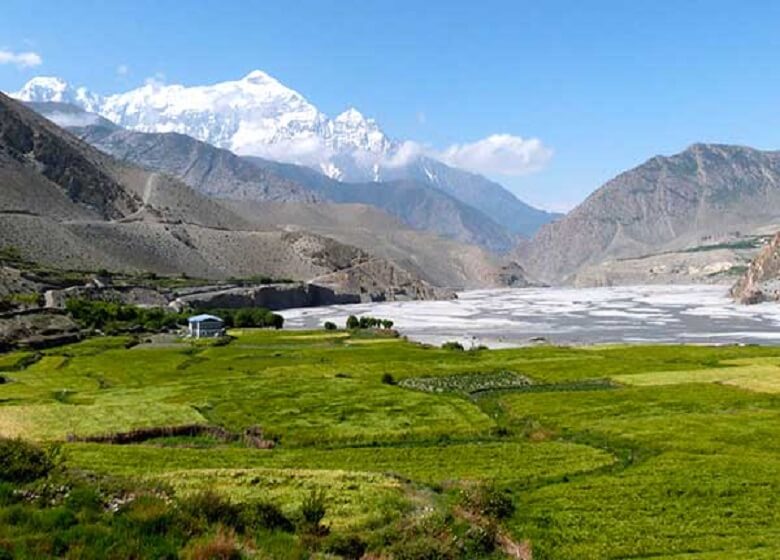
The journey typically begins with a flight from Kathmandu to Tumlingtar, a small town situated on a ridge above the Arun River. From here, the trek descends into the lush valley, following trails that wind through terraced farmland, dense forests, and riverside paths. The Arun River, one of Nepal’s major river systems, plays a central role throughout the trek, carving out a dramatic landscape of steep hills and fertile valleys.
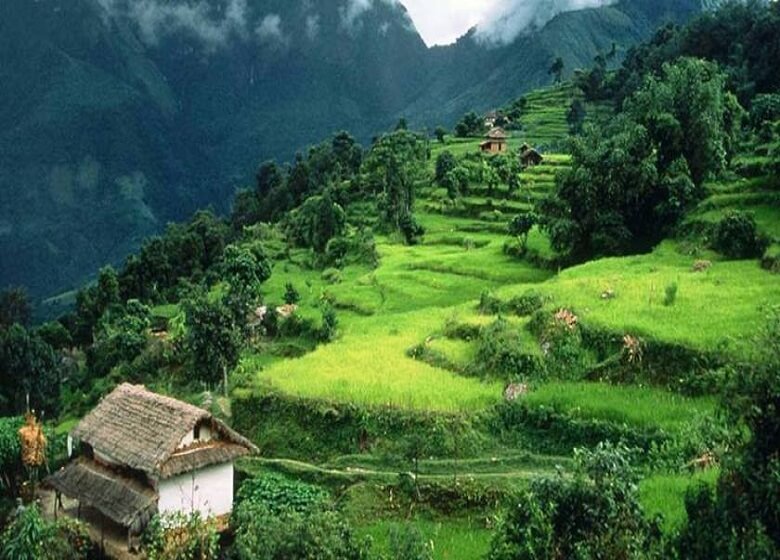
One of the most appealing aspects of the Arun Valley Trek is its remarkable diversity. The trek spans a wide range of altitudes, from lowland tropical regions to higher hill areas, allowing trekkers to experience different climates, vegetation zones, and ecosystems. The lower parts of the trail are warm and green, with rice paddies, banana trees, and subtropical forests. As the trail gradually climbs, the scenery changes to include temperate forests of oak, pine, and rhododendron, especially vibrant during the spring season when flowers are in bloom.
The Arun Valley lies within a region of high ecological importance, often serving as a corridor between the Makalu Barun National Park and the Sagarmatha National Park. This makes it rich in biodiversity, with a variety of plant and animal species. Trekkers may encounter wildlife such as monkeys, Himalayan birds, and occasionally more elusive animals, although sightings are not guaranteed. The area is also known for its birdlife, making it an attractive destination for bird watchers and nature lovers.
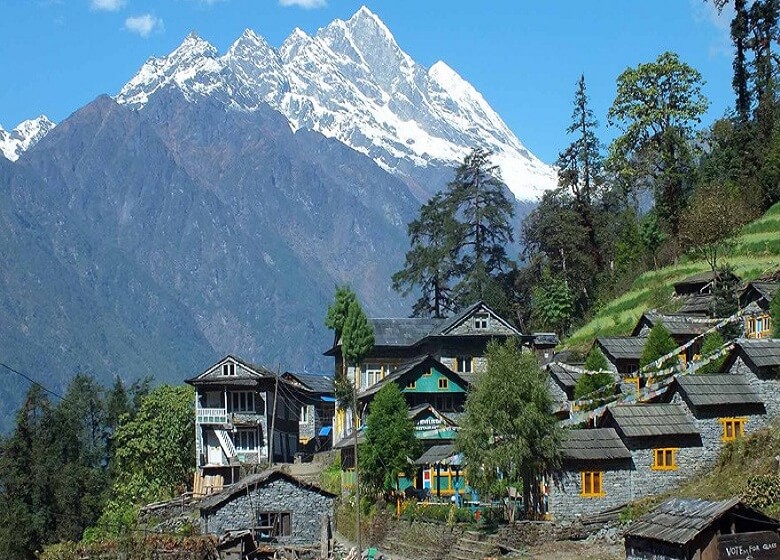
Culturally, the Arun Valley Trek offers a deeply immersive experience. The region is home to a mix of ethnic communities, including Rai, Limbu, Sherpa, and Brahmin groups. Each community has its own language, traditions, and lifestyle, which are reflected in the architecture, festivals, and daily routines of village life. Trekkers pass through traditional villages such as Kartikeghat, Gothe Bazaar, and Salpa Phedi, where they can observe local farming practices, interact with residents, and gain insight into rural life in Nepal.
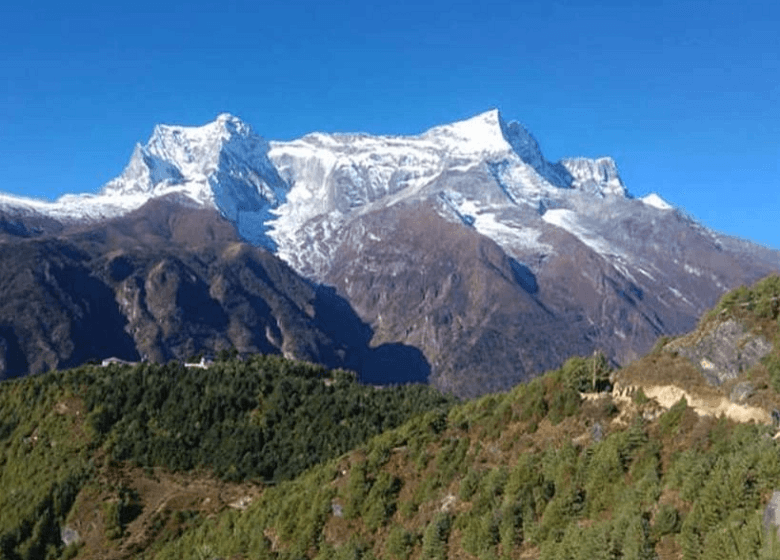
One of the highlights of the trek is the crossing of Salpa Pass, located at around 3,350 meters. This is the highest point of the trek and offers panoramic views of the surrounding hills and distant Himalayan peaks. The climb to the pass is gradual but rewarding, passing through forests and open meadows. From the top, trekkers can enjoy a sense of accomplishment and take in the expansive landscape before descending into the next valley.
The trek is considered moderate in difficulty, making it suitable for a wide range of trekkers, including those with some prior trekking experience. The trails involve a mix of ascents and descents, but the altitude remains relatively manageable compared to high Himalayan base camp treks. This makes the Arun Valley Trek an excellent choice for those who want to experience the beauty of Nepal without the challenges of extreme altitude.
Accommodation along the route is typically in basic tea houses or local lodges. Facilities are simple, with shared rooms and limited amenities, but they provide a comfortable place to rest after a day of trekking. Meals are usually prepared using locally available ingredients and include traditional dishes such as rice, lentils, vegetables, and simple soups. The hospitality of the local people adds a warm and welcoming touch to the experience.
One of the defining features of the Arun Valley Trek is its sense of tranquility. The region sees far fewer trekkers compared to popular destinations like Everest Base Camp or the Annapurna Circuit. This allows for a more peaceful journey, where trekkers can fully appreciate the natural surroundings and connect with the local culture. The absence of large crowds also enhances the authenticity of the experience, making it feel more personal and meaningful.
The best time to undertake the Arun Valley Trek is during the spring (March to May) and autumn (September to November) seasons. Spring brings blooming flowers and pleasant temperatures, while autumn offers clear skies and excellent visibility. The monsoon season can make trails slippery and challenging, while winter conditions may be cold at higher elevations, though still manageable in most parts of the trek.
In addition to its natural and cultural attractions, the Arun Valley Trek also serves as an alternative route to the Everest region, sometimes used by trekkers seeking a less crowded approach to the higher Himalayas. However, even as a standalone trek, it offers a rich and fulfilling experience that highlights the diversity and beauty of Nepal.
The journey through the Arun Valley is not just about reaching a destination but about experiencing the rhythm of life in the hills. The gradual pace of trekking allows for moments of reflection, whether walking through quiet forests, crossing suspension bridges over rushing rivers, or sharing a meal with local families. Each day brings new landscapes and encounters, creating a sense of discovery that stays with trekkers long after the journey ends.
Trip Highlights
- Explore the pristine and remote Arun Valley in eastern Nepal
- Trek through lush subtropical forests, alpine meadows, and high hills
- Cross the scenic Salpa Pass (3,350 m) with panoramic Himalayan views
- Experience traditional villages of Rai, Limbu, and Sherpa communities
- Witness diverse flora and fauna within the Arun Valley ecosystem
- Walk along the Arun River, one of Nepal’s major river systems
- Enjoy quiet trails with minimal trekking crowds
- Observe local farming practices and rural Himalayan lifestyles
- Discover scenic river valleys, suspension bridges, and waterfalls
- Experience a moderate trek suitable for those seeking natural and cultural immersion


