

Trip Info
-
Bus, Airline
-
3 Star hotel
-
Kathmandu
-
Feb-May
-
Eco-tour
-
All meal during trek
-
English, Spanish, Chinese
-
Easy to moderate
-
2-15
-
15
-
65
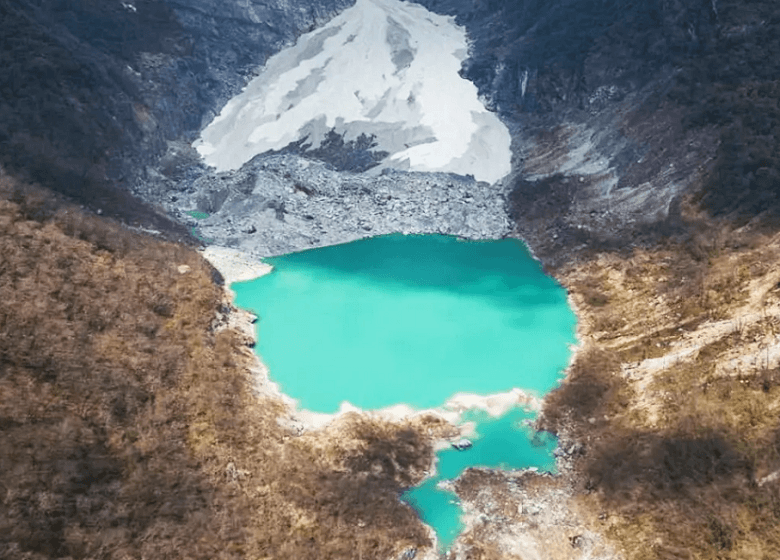
The Kapuche Lake Trek is one of those short but incredibly rewarding journeys in Nepal that often flies under the radar. It doesn’t have the fame of Everest Base Camp or Annapurna Circuit, but what it offers is something quieter and more personal. This trek takes you to Kapuche Glacier Lake, one of the lowest-altitude glacier lakes in Nepal, and along the way, it introduces you to peaceful trails, traditional villages, and beautiful mountain scenery without the usual crowds.
The trek usually starts from Pokhara, which is already known for its relaxed vibe and stunning views of the Annapurna range. From there, a short drive takes you to Sikles, a large and well-preserved Gurung village that serves as the gateway to the trek. Sikles itself is worth taking time to explore. The stone houses, narrow lanes, and traditional lifestyle give you a strong sense of local culture right from the beginning.
As you begin walking, the trail moves through terraced farmland and gradually enters forested areas. The early part of the trek feels gentle and welcoming, making it suitable even for those who may not have a lot of high-altitude trekking experience. You pass through small settlements and seasonal grazing areas, where you might see locals tending to livestock or working in the fields. It’s these everyday moments that make the journey feel grounded and real.
One of the highlights of the Kapuche Lake Trek is the changing landscape. In just a couple of days, you move from green hills and farmland into dense forests filled with rhododendron, oak, and pine trees. If you’re trekking in spring, the rhododendrons are in full bloom, adding bright colors to the trail. As you climb higher, the forest begins to thin out, and the terrain becomes more open and rugged.
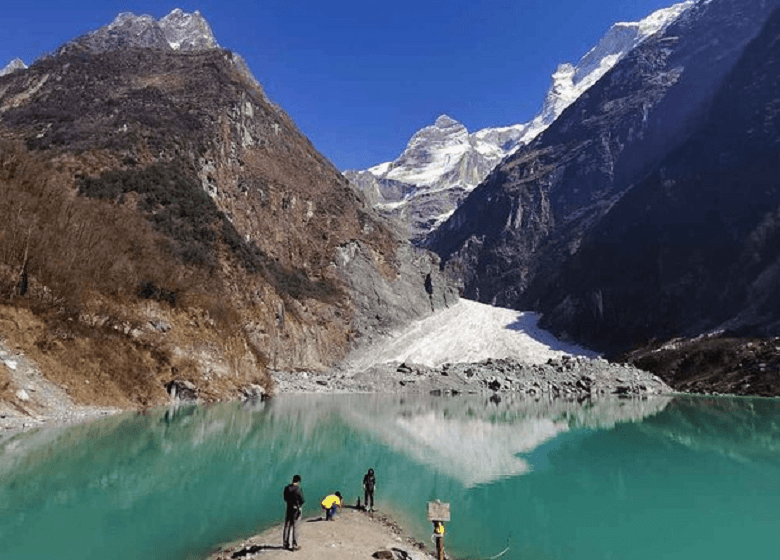
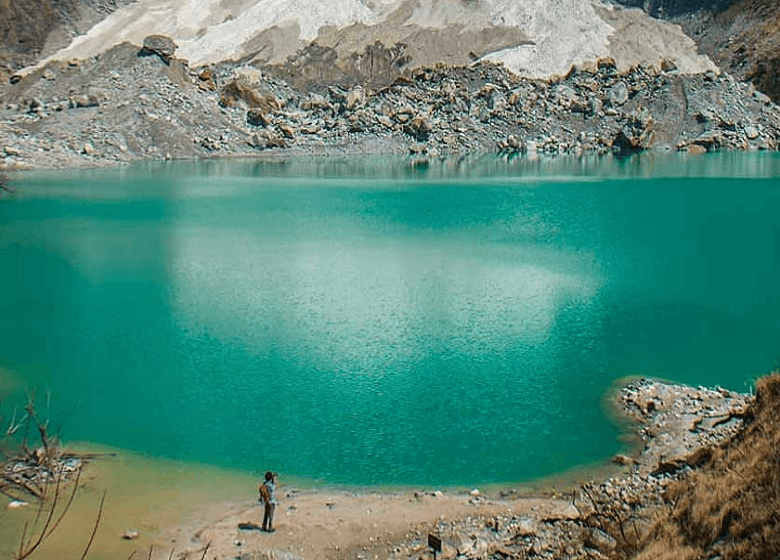
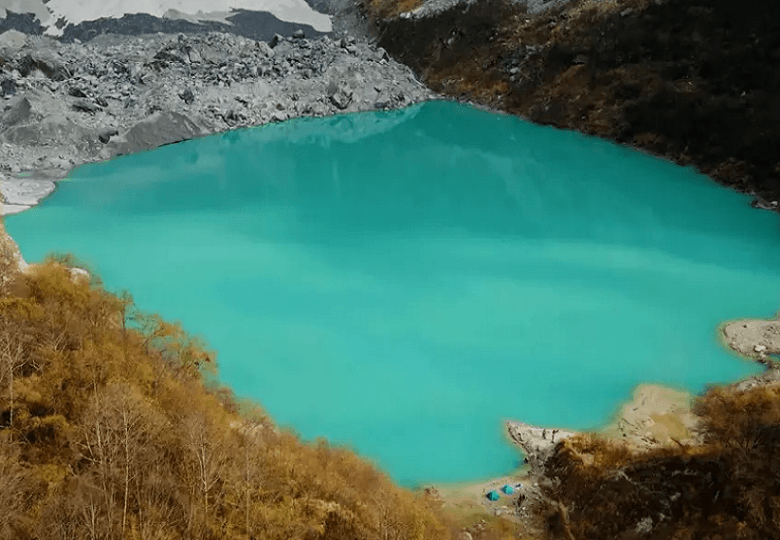
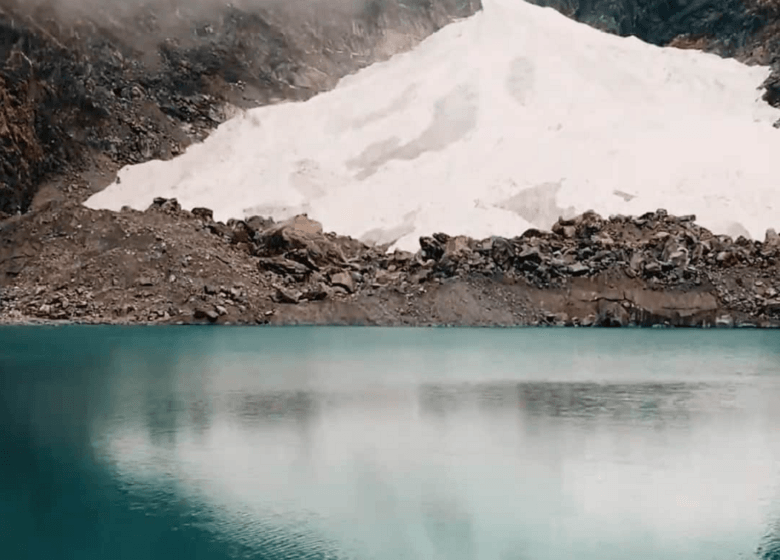
The final approach to Kapuche Lake is where the trek really comes into its own. The trail becomes more dramatic, with rocky paths and glacial surroundings. When you finally reach the lake, it feels like you’ve stepped into a completely different world. Surrounded by steep cliffs and snow-fed slopes, the lake sits quietly in a natural basin, reflecting the sky and the mountains around it.
Kapuche Lake is not very large, but its setting makes it special. Because it’s less visited, the area feels peaceful and untouched. You won’t find big crowds or busy lodges here. Instead, you get a calm, almost silent environment where you can take your time, sit by the water, and just absorb the surroundings. The stillness of the place is what leaves a lasting impression.
The mountain views along the trek are another big draw. Throughout the journey, you’ll catch glimpses of peaks like Annapurna II, Annapurna IV, and Machhapuchhre (Fishtail). These mountains don’t always dominate the view, but they appear at just the right moments, adding to the experience without overwhelming it. At higher points, especially near the lake and nearby ridges, the views become more open and impressive.
Culturally, the trek offers a meaningful connection with the Gurung community. Staying in local homestays or simple lodges gives you a chance to experience daily life in the region. Meals are usually home-cooked, and the hospitality feels natural rather than formal. Conversations with locals, even if brief, add depth to the journey and give you insight into a way of life that hasn’t changed much over the years.
In terms of difficulty, the Kapuche Lake Trek is considered moderate. It doesn’t reach extreme altitudes, with the lake sitting at around 2,500 meters, which makes it more accessible than many other Himalayan treks. However, there are still uphill sections and long walking days, so a reasonable level of fitness is important. The trails can be uneven, with a mix of forest paths, stone steps, and rocky terrain, especially closer to the lake.
One of the biggest advantages of this trek is its duration. It can be completed in about 4 to 6 days, making it a great option for those who are short on time but still want a proper trekking experience. You don’t need to commit to a long expedition, yet you still get a taste of Nepal’s mountains, culture, and natural beauty.
The best time to do the Kapuche Lake Trek is during spring and autumn. Spring brings blooming flowers and lively forests, while autumn offers clear skies and better mountain visibility. The weather during these seasons is generally stable, which makes the trek more enjoyable and safer.
Another thing that makes this trek appealing is its simplicity. The infrastructure is basic, and you won’t find luxury accommodations or extensive facilities. But that’s part of the charm. It encourages you to slow down, focus on the journey, and appreciate the small details, the sound of the forest, the changing light, and the rhythm of walking.
Because the route is still developing, it feels less commercialized. You won’t be constantly passing other trekkers, and there’s a sense of quiet that’s hard to find on more popular trails. This makes it ideal for those who prefer a more relaxed and introspective experience.
The Kapuche Lake Trek is also a great introduction to trekking in Nepal. It offers a balanced mix of nature, culture, and mountain views without being too demanding. At the same time, it doesn’t feel like a “beginner” trek in a negative sense. It still delivers genuine beauty and memorable moments.
By the end of the journey, what stays with you is not just the image of the lake, but the overall experience, the walk through forests, the warmth of local homes, and the quiet presence of the mountains. It’s a trek that doesn’t try to impress with scale or difficulty, but instead leaves a lasting impression through its simplicity and authenticity.
If you’re looking for a short, peaceful, and meaningful trekking experience in Nepal, the Kapuche Lake Trek is a strong choice. It’s the kind of trip that feels easy to fit into your schedule, but hard to forget once you’ve done it.
Trip Highlights
- Visit to Kapuche Glacier Lake, one of the lowest-altitude glacier lakes in Nepal
- Short and less crowded trek ideal for a peaceful experience
- Scenic views of Annapurna II, Annapurna IV, and Machhapuchhre (Fishtail)
- Beautiful rhododendron, oak, and pine forests along the trail
- Authentic Gurung culture and traditional village life in Sikles
- Mix of farmland, forest trails, and alpine landscapes
- Quiet and untouched natural surroundings
- Suitable for beginners with moderate fitness
- Homestay experience with warm local hospitality
- Perfect short trek for those with limited time


