

Trip Info
-
Bus, Airlines
-
3 Star hotel
-
Kathmandu
-
Feb-May
-
Eco-tour
-
All meal during trek
-
English, Spanish, Chinese
-
Easy to moderate
-
2-15
-
15
-
65
The Annapurna Circuit Trek is widely regarded as one of the most diverse and rewarding trekking routes in the world. Set in central Nepal, it circles the Annapurna massif and takes trekkers through a remarkable range of landscapes, climates, and cultures. What makes this trek truly special is not just the mountain scenery, but the constant sense of change. Over the course of the journey, you move from lush subtropical valleys to high-altitude deserts, crossing one of the highest trekking passes on earth along the way.
The trek traditionally begins in the lower foothills around Besisahar or Bhulbhule, a few hours’ drive from Kathmandu. In the early days, the trail winds through green hills, rice terraces, and river valleys, following the Marsyangdi River. The air is warm, the vegetation is dense, and the villages feel vibrant and alive. Waterfalls cascade down steep cliffs, suspension bridges swing gently over rushing rivers, and the distant snow peaks begin to appear as you gain elevation.
As you move higher, the landscape gradually transforms. The thick forests thin out, and the terrain becomes more rugged. The villages also begin to reflect a shift in culture. In the lower regions, you encounter Hindu communities, while further up, Tibetan-influenced Buddhist culture becomes more prominent. Prayer flags, mani walls, and monasteries start appearing along the trail, adding a spiritual dimension to the journey.
One of the key aspects of the Annapurna Circuit is its length and variation. Unlike shorter treks, this route typically takes around 12 to 18 days, depending on the itinerary and side trips. This extended duration allows for proper acclimatization, which is essential as the trek reaches high altitudes. The gradual ascent helps your body adjust, but it also gives you time to fully absorb the changing environment and pace of life in the mountains.
Manang, located at around 3,500 meters, is an important acclimatization stop. Trekkers usually spend an extra day here to rest and explore. The village itself is set in a wide valley with stunning mountain views. Nearby hikes to places like Gangapurna Lake or the Ice Lake provide both acclimatization benefits and incredible scenery. This pause in the journey is not just practical, but also a chance to slow down and appreciate where you are.
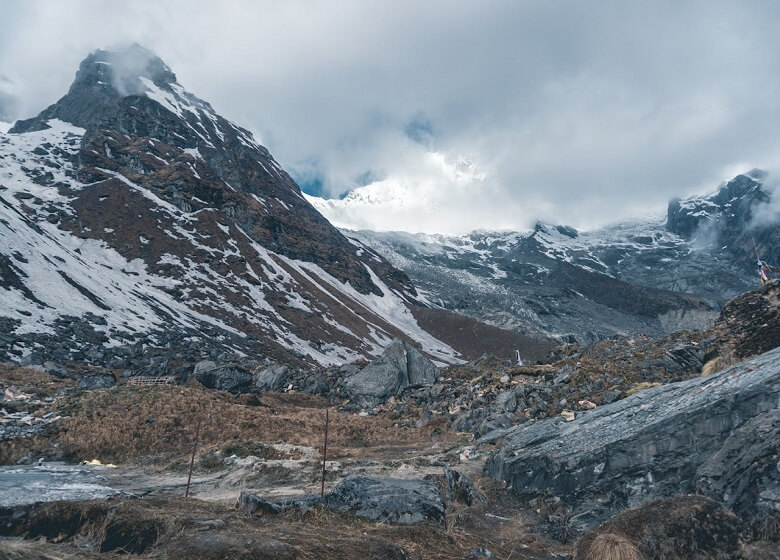
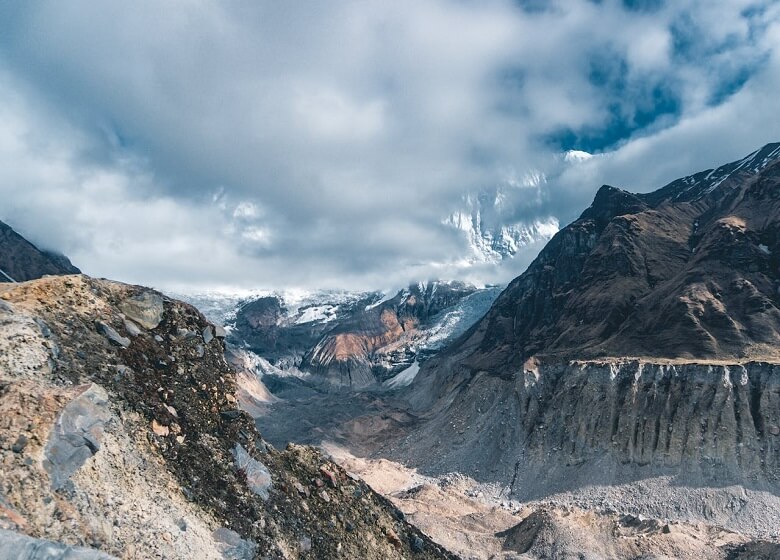
Beyond Manang, the trail enters a more barren and dramatic landscape. Vegetation becomes sparse, and the air noticeably thinner. The path leads toward Thorong La Pass, the highest point of the trek at 5,416 meters. Crossing this pass is the most challenging and rewarding part of the Annapurna Circuit. The climb begins early in the morning, often before sunrise, to avoid strong winds that typically pick up later in the day.
Reaching the top of Thorong La is a moment of real accomplishment. Prayer flags flutter in the wind, marking the high point, while panoramic views stretch across the surrounding peaks. The sense of scale is immense, and the effort it takes to get there makes the experience even more meaningful. The descent from the pass is long and steep, leading down to the sacred site of Muktinath.
Muktinath holds great religious significance for both Hindus and Buddhists. Pilgrims visit the temple to bathe in the 108 water spouts and seek spiritual purification. For trekkers, it offers a unique cultural encounter and a sense of contrast after the physically demanding crossing of the pass. The surrounding area, part of the Mustang region, has a distinctly different feel, with dry, windswept terrain and a strong Tibetan influence.
From Muktinath, the trek continues through the Kali Gandaki Valley, the deepest gorge in the world. The trail passes through villages like Jomsom, Marpha, and Tatopani. Marpha is especially known for its apple orchards and traditional architecture, while Tatopani offers natural hot springs where trekkers can relax and recover after days of walking. These moments of comfort feel especially rewarding after the challenges of the high mountains.
Another highlight toward the end of the trek is Poon Hill, if you choose to include it as an extension. Similar to the Ghorepani Poon Hill Trek, this viewpoint offers a spectacular sunrise over the Annapurna and Dhaulagiri ranges. It provides a fitting finale, bringing together many of the elements that make the Annapurna region so memorable.
The Annapurna Circuit is often described as a complete trekking experience because it combines natural beauty with cultural depth. Each day feels different, not just in terms of scenery, but also in the people you meet and the atmosphere of the villages. Teahouses along the route provide basic but comfortable accommodation, along with warm meals and a place to connect with fellow trekkers from around the world.
In terms of difficulty, the trek is considered moderately challenging to strenuous. The long duration, high altitude, and demanding sections like Thorong La Pass require good physical fitness and mental resilience. However, it does not involve technical climbing, making it accessible to those who are well-prepared and willing to take their time.
The best seasons for the Annapurna Circuit are spring and autumn. During these months, the weather is generally stable, and the views are clear. Winter trekking is possible but can be risky due to snow blocking the pass, while the monsoon season brings heavy rain and limited visibility, especially in the lower regions.
Preparation is key for a successful trek. Proper gear, including warm clothing, sturdy boots, and a good sleeping bag, is essential. Acclimatization, hydration, and pacing are equally important. Many trekkers choose to go with a guide or porter, which not only adds a layer of safety but also enriches the experience with local knowledge.
Ultimately, the Annapurna Circuit Trek is more than just a physical journey. It is an immersion into a region that feels both vast and intimate at the same time. The changing landscapes, the cultural encounters, and the personal challenge all come together to create something that stays with you long after the trek is over. Whether it is your first long trek or one of many, the Annapurna Circuit has a way of leaving a lasting impression.
Trip Highlights
- Crossing Thorong La Pass (5,416 m), one of the highest trekking passes in the world
- Ever-changing landscapes from lush forests to high-altitude desert terrain
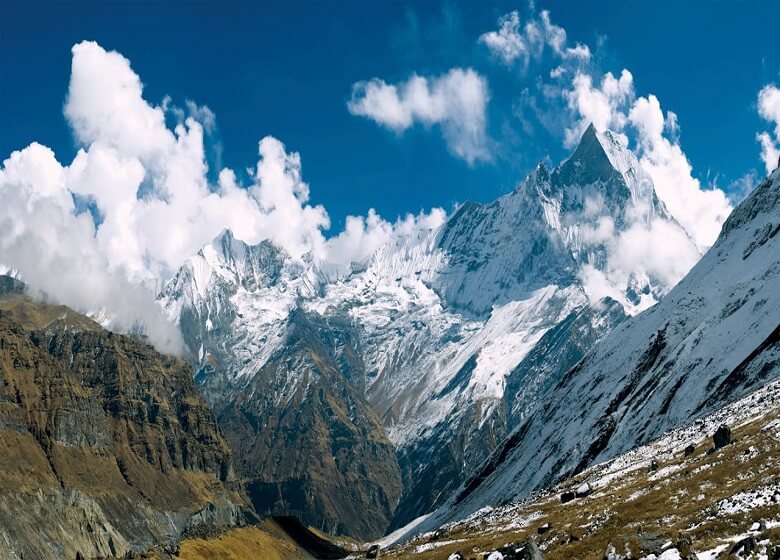
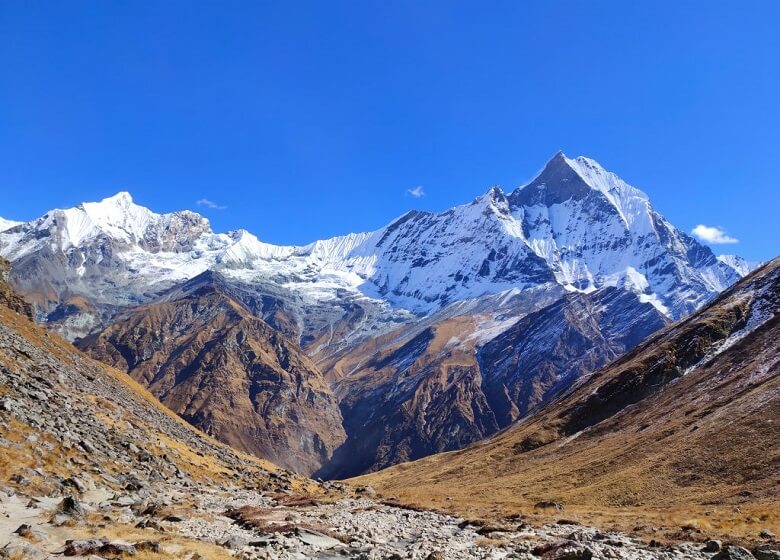
- Stunning views of Annapurna, Dhaulagiri, Manaslu, and Machapuchare peaks
- Cultural transition from Hindu villages to Tibetan Buddhist communities
- Acclimatization stop at Manang with side hikes like Ice Lake and Gangapurna Lake
- Visit to the sacred pilgrimage site of Muktinath Temple
- Trek through the Kali Gandaki Gorge, the world’s deepest gorge
- Charming villages like Marpha, famous for apple orchards and local products
- Relaxing natural hot springs at Tatopani
- Teahouse trekking experience with diverse food, culture, and mountain hospitality


