

Trip Info
-
Bus, Airline
-
3 Star hotel
-
Kathmandu
-
Feb-May
-
Eco-tour
-
All meal during trek
-
English, Spanish, Chinese
-
Easy to moderate
-
2-15
-
15
-
65
The Kanchenjunga South Base Camp Trek is one of Nepal’s most remote and rewarding trekking adventures, offering a journey into the untouched wilderness of the eastern Himalayas. Leading to the southern base camp of Mount Kanchenjunga, the world’s third-highest peak at 8,586 meters, this trek combines dramatic mountain scenery, rich biodiversity, and deep cultural experiences. Compared to more popular trekking regions like Everest and Annapurna, the Kanchenjunga region remains relatively isolated, making it ideal for those seeking a quieter and more authentic Himalayan experience.
The journey begins with a flight from Kathmandu to Bhadrapur, followed by a long drive through tea gardens, rivers, and hillside settlements to reach Taplejung, the gateway to the Kanchenjunga region. From here, the trek starts with a gradual ascent through lush subtropical forests, terraced farmland, and traditional villages. The lower sections of the trail are vibrant and green, filled with the sounds of flowing rivers and birdlife. As trekkers move higher, the landscape changes significantly, transitioning into alpine forests, open meadows, and eventually rugged high-altitude terrain.
One of the defining features of the Kanchenjunga South Base Camp Trek is its incredible diversity of landscapes. The trail passes through the Kanchenjunga Conservation Area, a protected region known for its rich flora and fauna. In spring, the forests come alive with blooming rhododendrons, while the higher elevations offer views of glaciers and snow-covered peaks. Wildlife in the region includes red pandas, Himalayan black bears, musk deer, and even the elusive snow leopard, although sightings are rare. The region’s ecological richness adds an extra dimension to the trekking experience, making it appealing for both nature lovers and adventure seekers.
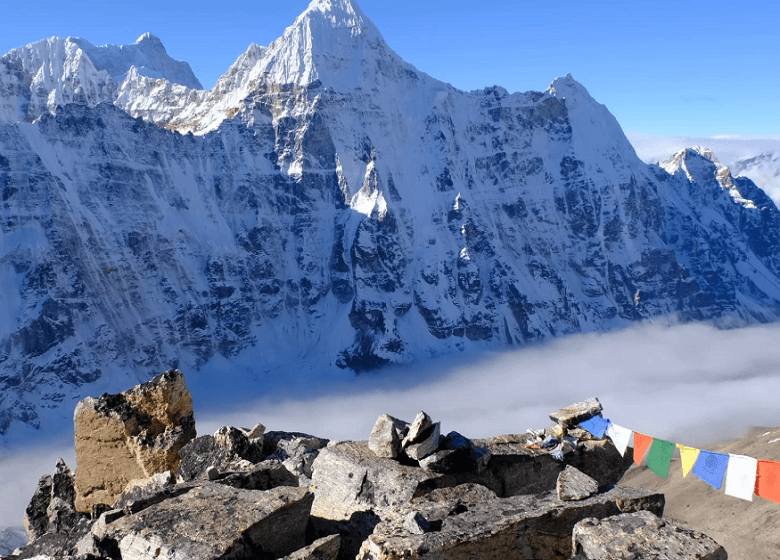
Culturally, the trek offers a fascinating blend of traditions and lifestyles. The lower regions are inhabited by ethnic groups such as Rai and Limbu communities, who follow traditional agricultural practices and maintain distinct cultural identities. As the trek progresses, Tibetan Buddhist influence becomes more prominent, especially in higher-altitude villages. Trekkers will encounter monasteries, prayer flags, and stone carvings along the trail, reflecting a deep spiritual connection to the mountains. Villages such as Yamphudin and Tortong provide insight into local life, where hospitality is warm and traditions remain strong.
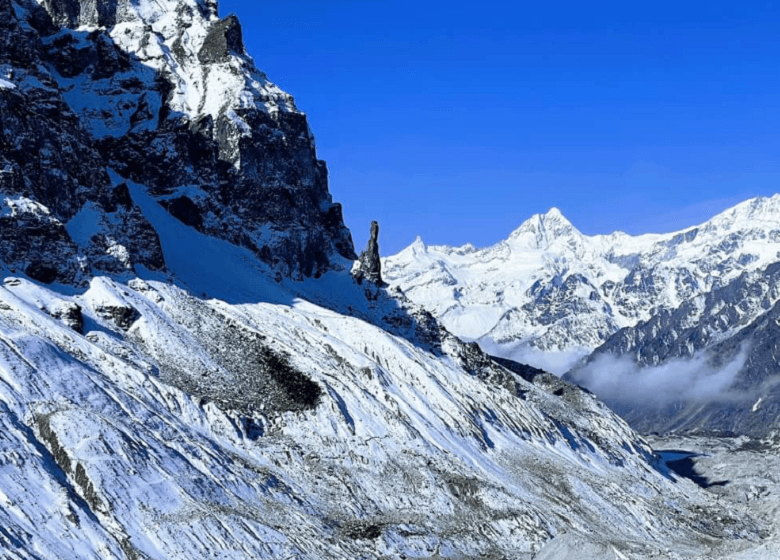
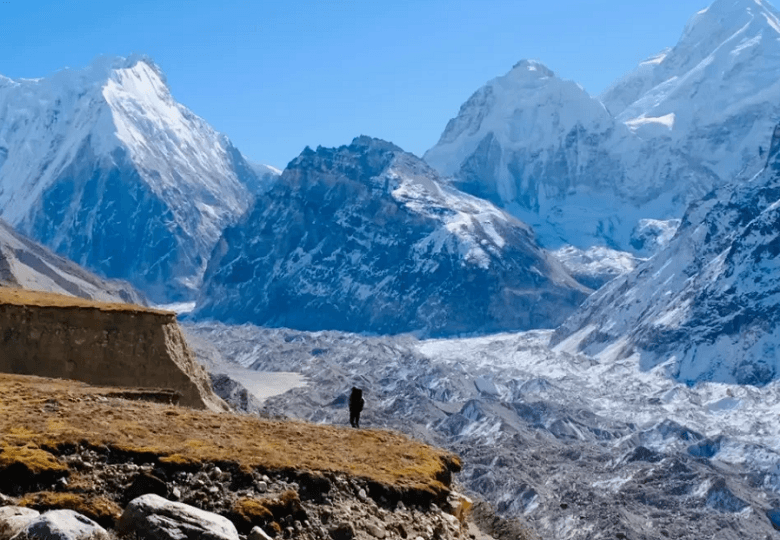
The route to the South Base Camp, also known as Oktang, follows the Simbuwa Khola valley, leading trekkers through dense forests, steep ridges, and glacial landscapes. Unlike the northern route, which follows a wider valley, the southern approach feels more enclosed and dramatic, with towering peaks rising sharply above the trail. As trekkers move beyond villages like Cheram and Ramche, the environment becomes increasingly remote and rugged. The trail narrows, vegetation thins out, and the terrain becomes dominated by rocks, moraines, and icy streams.
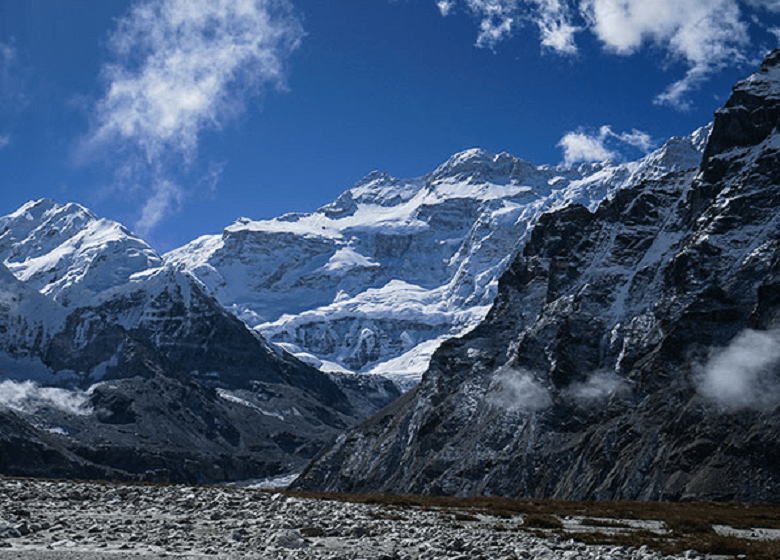
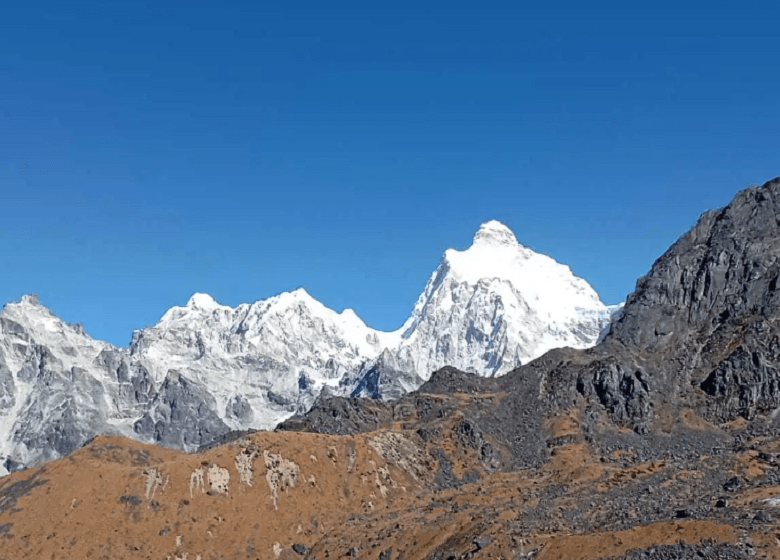
Reaching Kanchenjunga South Base Camp at Oktang, situated at around 4,730 meters, is the highlight of the trek. From this vantage point, trekkers are rewarded with breathtaking views of the southern face of Kanchenjunga, along with neighboring peaks such as Yalung Kang, Kabru, and Rathong. The glaciers flowing down from these massive mountains create a dramatic and awe-inspiring landscape. The sense of scale and isolation at the base camp is profound, offering a moment of reflection and accomplishment after days of challenging trekking.
The trek is considered moderately challenging to strenuous, depending on the itinerary and pace. While the altitude is slightly lower than the North Base Camp trek, the trails can be steep and physically demanding, particularly in forested sections and during ascents to higher نقاط. The trek usually takes around 14 to 18 days to complete, allowing for proper acclimatization and exploration. Trekkers should be prepared for basic facilities, as infrastructure in this region is limited compared to more popular trekking areas.
Accommodation along the Kanchenjunga South Base Camp route is primarily in tea houses, although they are simple and basic. Rooms are usually twin-sharing with minimal furnishings, and amenities such as hot showers and electricity may be limited. Meals are hearty and designed to sustain trekkers, typically including rice, lentils, vegetables, noodles, soups, and bread. Despite the simplicity, the warmth and friendliness of the local people create a welcoming atmosphere that enhances the overall experience.
One of the most appealing aspects of this trek is its sense of solitude. The Kanchenjunga region sees far fewer visitors than other trekking destinations in Nepal, allowing trekkers to enjoy quiet trails and uninterrupted natural beauty. This also means that planning and preparation are essential. The region is classified as a restricted area, requiring special permits and the presence of a licensed guide. Traveling with an organized team ensures safety and helps navigate the logistical challenges of remote trekking.
The best time to undertake the Kanchenjunga South Base Camp Trek is during the spring (March to May) and autumn (September to November) seasons. Spring offers blooming flowers and mild weather, while autumn provides clear skies and excellent visibility of the mountains. Winter trekking is possible but can be difficult due to cold temperatures and snowfall at higher elevations. The monsoon season brings heavy rainfall, making trails slippery and less suitable for trekking.
In addition to the natural beauty and physical challenge, the trek offers a deeper connection to the environment and local culture. The slow pace of trekking allows for meaningful interactions with villagers, observation of daily life, and appreciation of the region’s traditions. The combination of scenic diversity, cultural richness, and remote wilderness creates a journey that is both adventurous and reflective.
Trip Highlights
- Trek to Oktang (4,730 m), the scenic South Base Camp of Mount Kanchenjunga
- Enjoy close-up views of Kanchenjunga’s south face and surrounding peaks like Yalung Kang and Kabru
- Experience a remote and less crowded trekking route in eastern Nepal
- Walk through diverse landscapes from lush forests to alpine and glacial terrain
- Explore the rich biodiversity of the Kanchenjunga Conservation Area
- Pass through traditional villages like Yamphudin, Tortong, and Cheram
- Experience a blend of local cultures including Rai, Limbu, and Tibetan-influenced communities
- Follow the beautiful Simbuwa Khola valley surrounded by dramatic mountain scenery
- Witness glaciers, waterfalls, and high-altitude wilderness environments
- Enjoy a peaceful trekking experience with raw natural beauty and minimal commercialization


