

Trip Info
-
Bus, Airline
-
3 Star Hotel
-
Kathmandu
-
Feb-May
-
Eco-tour
-
All meal during trek
-
English, Spanish, Chinese
-
Easy to moderate
-
2-15
-
15
-
65
The Dhaulagiri Circuit Trek is one of Nepal’s most demanding and rewarding trekking adventures. It’s not a casual walk in the mountains or a quick escape into nature. This is a serious journey into a remote and wild part of the Himalayas, where the landscapes feel bigger, harsher, and far less touched by tourism. If you’re looking for a trek that challenges you physically while giving you a deep sense of isolation and raw beauty, this one stands out.
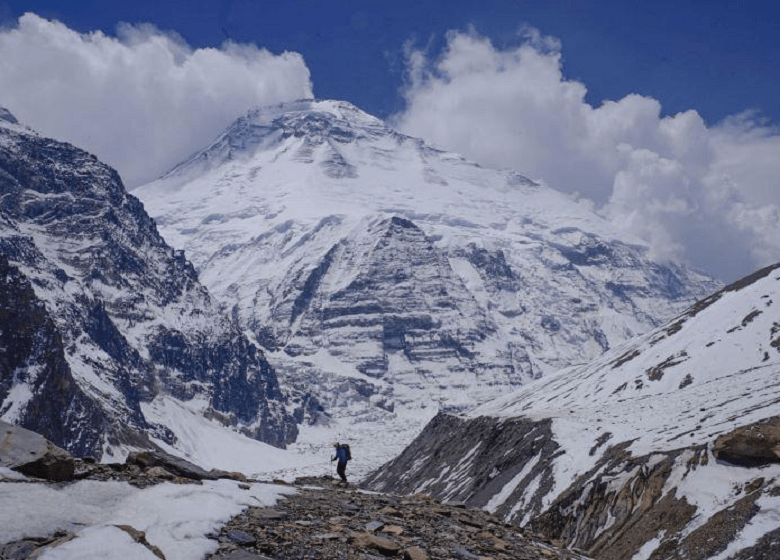
The trek circles Mount Dhaulagiri (8,167 m), the seventh-highest mountain in the world. Unlike more popular routes in Nepal, the Dhaulagiri region doesn’t have well-developed infrastructure or busy teahouse networks. That means you’re stepping into a more rugged environment where camping is often required, and support from guides and porters becomes essential. It’s this remoteness that gives the trek its unique character.
The journey usually begins with a drive from Pokhara to Beni, which acts as the starting point. From there, the trail follows the Myagdi Khola river, gradually leading you into deeper valleys and higher terrain. The early days take you through villages, farmland, and forests. You pass through small settlements where life is simple and closely tied to the land. These sections help you ease into the trek before things become more demanding.
As you move forward, the landscape starts to change. The greenery fades, and the terrain becomes more rugged and dramatic. Narrow valleys, rocky paths, and glacial rivers begin to define the route. One of the first major highlights is entering the Italian Base Camp, a wide open area surrounded by towering cliffs and peaks. It’s a place where you start to feel the scale of the mountains around you.
From here, the trek becomes more challenging. You move towards Dhaulagiri Base Camp, crossing glacier fields and moraine sections along the way. Walking on uneven, rocky terrain at high altitude requires focus and endurance. But the reward is standing at the base of a massive Himalayan giant, surrounded by ice and snow in every direction. It’s not a crowded viewpoint or a busy campsite. It’s quiet, powerful, and humbling.
One of the most demanding parts of the trek is crossing the French Pass (5,360 m). This is a high mountain pass that tests both your physical strength and mental resilience. The climb is slow and steady, often through snow-covered terrain, and the altitude makes every step feel heavier. But once you reach the top, the view is unforgettable. You’re surrounded by a wide sweep of Himalayan peaks, including Dhaulagiri and other massive mountains that stretch into the distance.
After crossing French Pass, the trail leads to the Hidden Valley, a high-altitude plateau that feels completely isolated from the rest of the world. It’s a place where the landscape opens up, and you can see for miles in every direction. There’s a sense of stillness here that’s hard to describe. It feels remote in the truest sense.
The next major challenge is Dhampus Pass (5,200 m). Like French Pass, it requires a steady climb and careful footing. Weather conditions can change quickly at this altitude, so timing and preparation are important. Once you cross the pass, the trail begins to descend, and the environment slowly shifts again. You start to see signs of vegetation returning, and the air feels richer as you lose altitude.
The descent eventually brings you into the Kali Gandaki valley, one of the deepest gorges in the world. From here, the trail connects with more established routes, and you begin to notice more trekkers and better facilities. After days of isolation, this change can feel both strange and comforting.
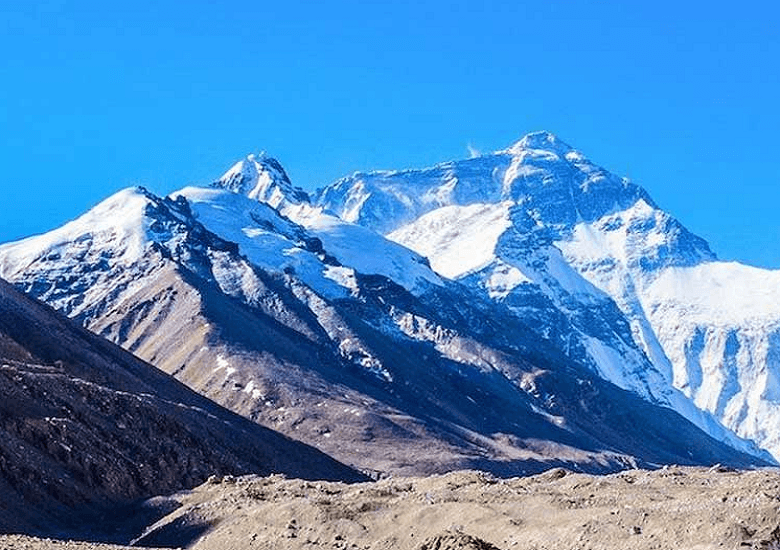
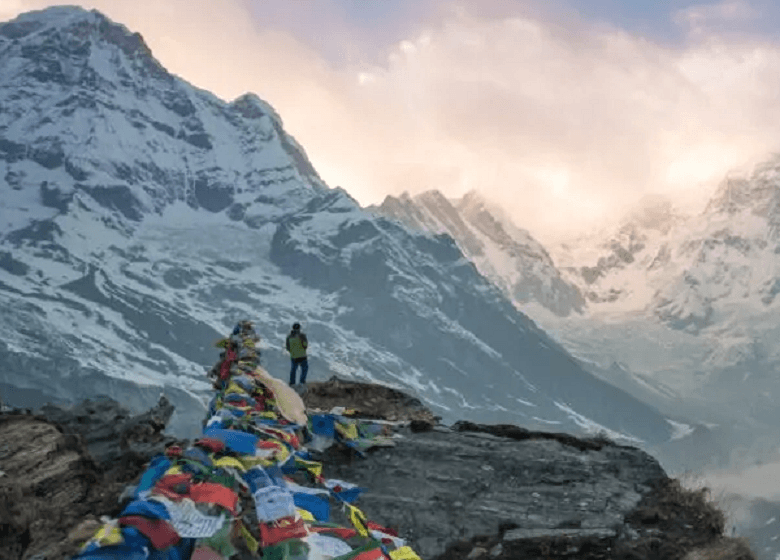
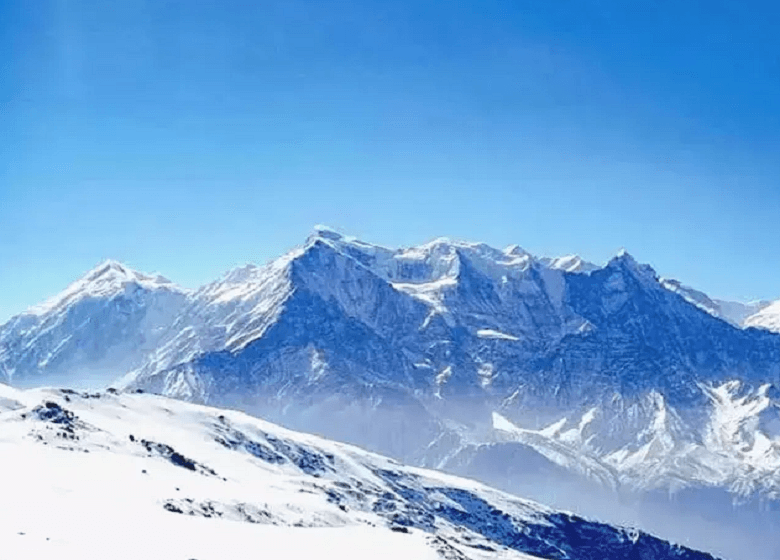
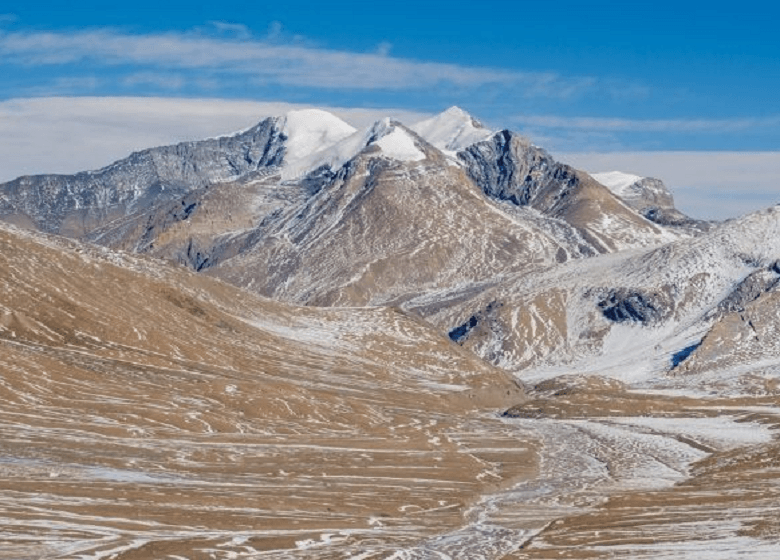
Throughout the trek, the views are constantly changing. Snow-covered peaks, glaciers, rocky valleys, and high mountain passes create a landscape that feels raw and untouched. You’re not just looking at the mountains from a distance, you’re moving through them, experiencing their scale up close.
In terms of difficulty, the Dhaulagiri Circuit Trek is considered challenging to strenuous. It requires good physical fitness, previous trekking experience, and the ability to handle high altitude. The long days, remote setting, and basic camping conditions add to the challenge. This is not a trek for beginners, but for those who are prepared, it offers a deeply rewarding experience.
The best time to do the trek is during spring (March to May) and autumn (September to November). These seasons offer more stable weather and clearer views, which are important for both safety and enjoyment. Outside of these windows, conditions can become unpredictable and more difficult.
One of the things that makes this trek stand out is the sense of accomplishment it brings. It’s not just about reaching a viewpoint or completing a route. It’s about pushing through physical limits, adapting to a harsh environment, and experiencing a part of the Himalayas that few people get to see.
You also develop a strong connection with your team. Since the trek involves camping and fewer facilities, you spend more time with your guides and fellow trekkers. Shared challenges, long days, and simple routines create a bond that often becomes a key part of the journey.
At the same time, there’s a quiet side to the trek. Moments where you’re walking alone, surrounded by mountains, with nothing but the sound of the wind or your footsteps. These are the moments that stay with you long after the trek is over.
The Dhaulagiri Circuit Trek isn’t about comfort or convenience. It’s about stepping into a demanding environment and embracing it fully. It asks more from you than many other treks, but it also gives back more in terms of experience, perspective, and a sense of achievement.
By the time you complete the circuit, you don’t just feel like you’ve visited the Himalayas, you feel like you’ve truly experienced them.
Trip Highlights
- Challenging full circuit around Mt. Dhaulagiri (8,167 m), the world’s seventh-highest peak
- Remote and less crowded trekking route with true wilderness experience
- Crossing two high mountain passes: French Pass (5,360 m) and Dhampus Pass (5,200 m)
- Visit to Dhaulagiri Base Camp surrounded by glaciers and towering peaks
- Dramatic landscapes including glaciers, moraines, and deep valleys
- Unique Hidden Valley experience with wide, open high-altitude terrain
- Stunning panoramic views of Dhaulagiri, Tukuche Peak, Nilgiri, and surrounding ranges
- Mix of camping adventure and limited teahouse trekking
- Gradual transition from lush forests to rugged alpine and glacial terrain
- Strong sense of achievement with physically demanding and rewarding journey


