

Trip Info
-
Bus, Airline
-
3 Star hotel
-
Kathmandu
-
Feb-May
-
Eco-tour
-
All meal during trek
-
English, Spanish, Chinese
-
Easy to moderate
-
2-15
-
15
-
65
The Tsum Valley Trek is one of Nepal’s most culturally rich and spiritually significant journeys, offering a rare opportunity to explore a hidden Himalayan valley that remained isolated from the outside world until relatively recently. Nestled in the northern part of the Gorkha district near the Tibetan border, Tsum Valley is often referred to as the “Hidden Valley of Happiness.” This sacred Himalayan region is deeply rooted in Tibetan Buddhist traditions and is known for its ancient monasteries, untouched landscapes, and warm, welcoming communities.
The trek typically begins with a drive from Kathmandu to Soti Khola or Machha Khola, which serves as the gateway to both the Manaslu region and Tsum Valley. The initial days follow the well-known Manaslu Circuit trail along the Budhi Gandaki River. Trekkers pass through subtropical forests, terraced fields, and small villages, gradually gaining elevation while enjoying the lush surroundings. Suspension bridges, cascading waterfalls, and narrow cliffside trails add variety and excitement to the journey.
After reaching the village of Jagat, the trail diverges toward Tsum Valley, marking the beginning of a more remote and culturally immersive experience. As trekkers enter the valley, the landscape begins to change, becoming quieter and less crowded. The trail winds through pine and rhododendron forests, open hillsides, and traditional settlements where life moves at a slower, more traditional pace.
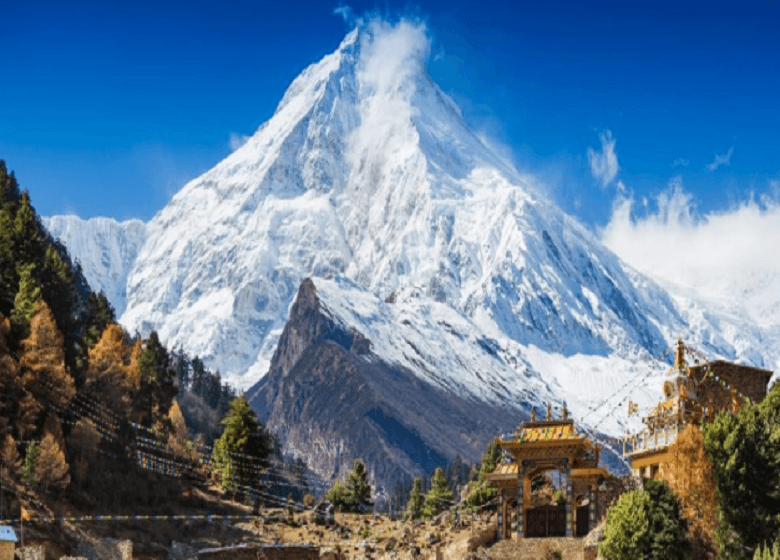
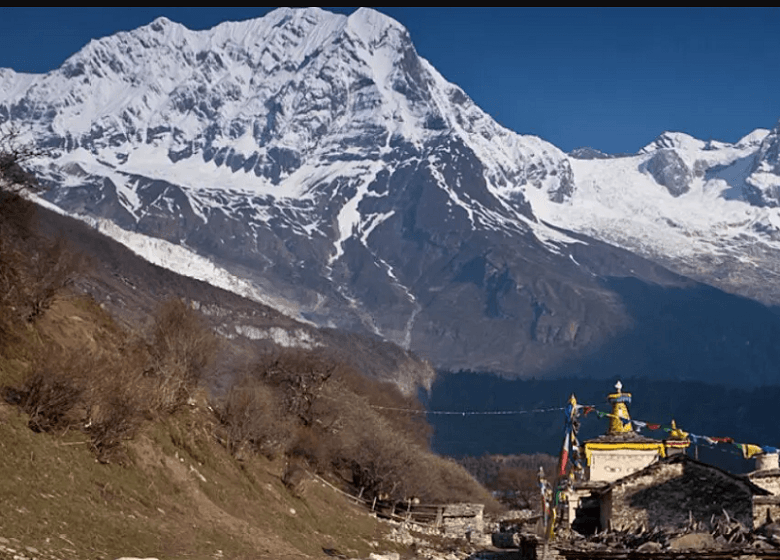
The cultural significance of Tsum Valley is one of its most remarkable features. The region is inhabited by the Tsumba people, whose way of life has been preserved for centuries due to the valley’s isolation. Their culture, language, and customs are closely linked to Tibetan Buddhism, and the valley is dotted with ancient monasteries, chortens, mani walls, and prayer flags. The influence of spirituality is evident in daily life, with locals practicing compassion, non-violence, and communal harmony.
Villages such as Chumling, Chhokang Paro, and Nile offer insight into traditional Himalayan life. Houses are built from stone and wood, and agriculture remains the primary livelihood. Trekkers are often welcomed with genuine hospitality, giving them a chance to interact with locals and learn about their customs and beliefs. Unlike more commercialized trekking regions, Tsum Valley retains a sense of authenticity that makes the experience deeply meaningful.
One of the highlights of the trek is visiting Mu Gompa, the highest and most important monastery in the valley, located at around 3,700 meters. This ancient monastery serves as a spiritual center for the region and offers breathtaking views of the surrounding mountains. Nearby, Rachen Gompa is another significant monastery, home to a community of nuns. Visiting these sacred sites allows trekkers to witness Buddhist rituals and gain a deeper understanding of the valley’s spiritual heritage.
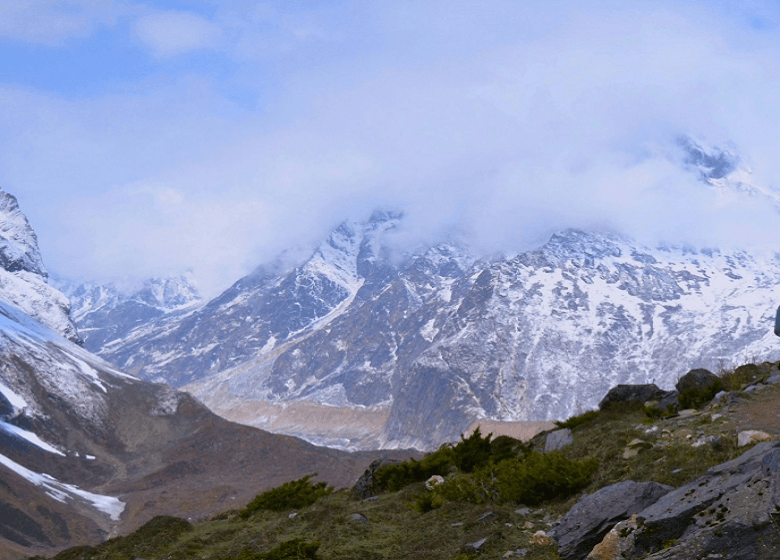
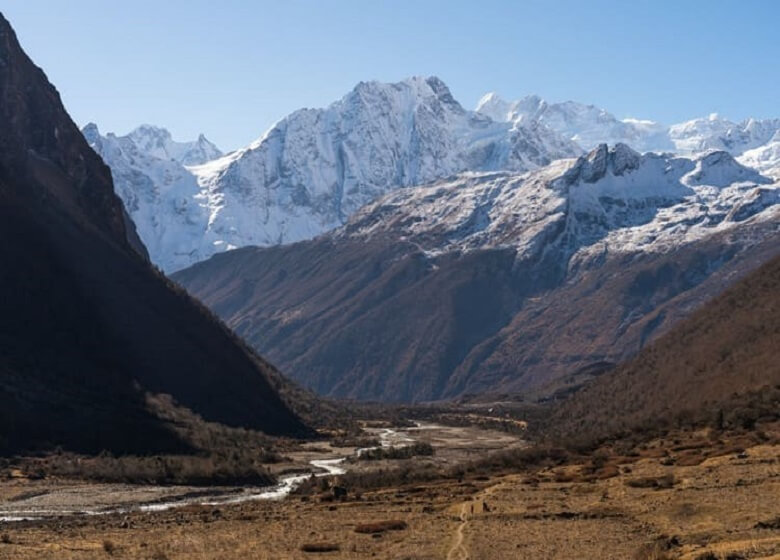
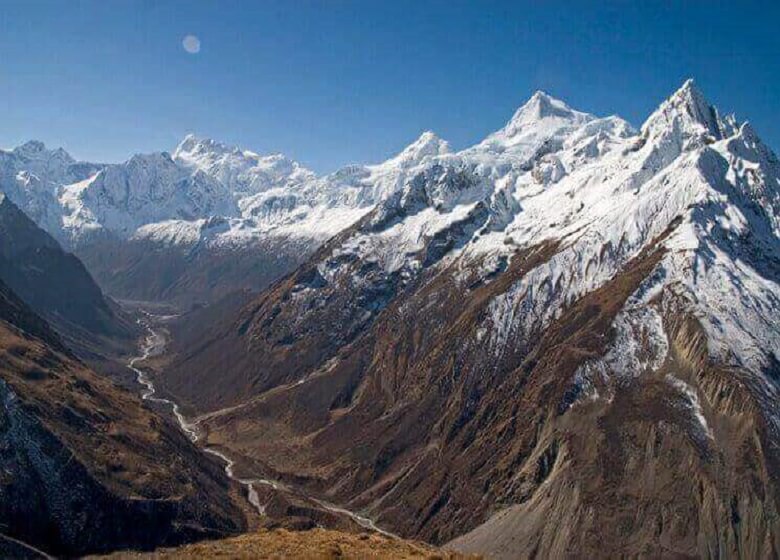
The natural beauty of Tsum Valley is equally captivating. The trek offers stunning views of snow-capped peaks such as Ganesh Himal, Sringi Himal, and Buddha Himal. The landscapes vary from lush forests and terraced fields to high-altitude meadows and rugged mountain terrain. The valley’s remote location means that it remains largely untouched, providing a pristine environment for nature lovers.
Wildlife is also part of the experience, with the possibility of spotting Himalayan animals such as blue sheep, Himalayan thar, and various bird species. The region’s biodiversity, combined with its peaceful atmosphere, makes it an ideal destination for those seeking a deeper connection with nature.
The Tsum Valley Trek typically takes around 14 to 18 days, depending on the itinerary and whether it is combined with the Manaslu Circuit. The maximum altitude is relatively moderate compared to other high-altitude treks, usually reaching around 3,700 meters at Mu Gompa. This makes it less physically demanding in terms of altitude, although the duration and remoteness still require good fitness and preparation.
Accommodation along the trail is mainly in basic tea houses and lodges, with some areas offering homestay experiences. Facilities are simple, but the warmth of local hospitality more than compensates for the lack of luxury. Meals typically consist of traditional Nepali and Tibetan dishes, including dal bhat, noodles, soups, and locally grown vegetables.
The trek requires special permits, as Tsum Valley is a restricted area. Trekkers must obtain a Tsum Valley Restricted Area Permit along with a Manaslu Conservation Area Permit (MCAP) and Annapurna Conservation Area Permit (ACAP). Additionally, a licensed guide is mandatory for this trek. These regulations help preserve the region’s unique culture and environment while ensuring the safety of visitors.
The best time to undertake the Tsum Valley Trek is during the spring (March to May) and autumn (September to November) seasons. During these periods, the weather is generally stable, skies are clear, and mountain views are at their best. Spring brings blooming rhododendrons and vibrant landscapes, while autumn offers crisp air and excellent visibility. Winter can be cold with snowfall, and the monsoon season may bring heavy rain and slippery trails.
One of the defining aspects of the Tsum Valley Trek is its sense of tranquility and spiritual depth. Unlike more popular trekking routes, the valley sees fewer visitors, allowing trekkers to fully immerse themselves in the peaceful surroundings. The absence of crowds, combined with the strong cultural and spiritual presence, creates an experience that is both introspective and enriching.
Safety is an important consideration due to the remote nature of the trek. Medical facilities are limited, and communication can be challenging in some areas. Trekkers should be well-prepared with appropriate gear, including warm clothing, sturdy footwear, and a basic first aid kit. Travel insurance that covers high-altitude trekking and emergency evacuation is highly recommended.
Trip Highlights
- Explore the remote and sacred Tsum Valley, known as the “Hidden Valley of Happiness”
- Deep cultural immersion with the Tsumba people and Tibetan Buddhist traditions
- Visit ancient monasteries including Mu Gompa and Rachen Gompa
- Stunning views of Ganesh Himal, Sringi Himal, and Buddha Himal
- Walk through untouched landscapes with minimal tourist crowds
- Experience traditional villages like Chumling, Chhokang Paro, and Nile
- Rich spiritual atmosphere with mani walls, chortens, and prayer flags
- Opportunity to witness Buddhist rituals and monastic life
- Scenic trails through forests, rivers, and alpine meadows
- Unique blend of culture, spirituality, and Himalayan wilderness


