

Trip Info
-
Bus, Airline
-
3 Star hotel
-
Kathmandu
-
Feb-May
-
Eco-tour
-
All meal during trek
-
English, Spanish, Chinese
-
Easy to moderate
-
2-15
-
15
-
65
The Langtang Valley Trek is one of Nepal’s most accessible and rewarding trekking experiences, offering a combination of breathtaking mountain scenery, rich cultural encounters, and a chance to explore one of the country’s most pristine valleys. Located just north of Kathmandu, the Langtang region is part of the Langtang National Park, which spans 1,710 square kilometers and is home to diverse flora and fauna, including red pandas, Himalayan black bears, and snow leopards. Unlike the busier trekking routes like the Annapurna Circuit or Everest Base Camp, Langtang provides a more intimate, off-the-beaten-path Himalayan experience, making it ideal for both novice and seasoned trekkers.
The trek usually starts with a drive from Kathmandu to the gateway town of Syabrubesi, which lies about 110 kilometers to the north. The drive itself is scenic, winding through the Trishuli River valley and terraced hillsides dotted with traditional villages. From Syabrubesi, the trekking trail ascends gradually through dense forests of rhododendron, oak, and pine, eventually reaching the first major village, Lama Hotel. Along the way, trekkers pass small hamlets, suspension bridges, and rivers, experiencing a taste of rural Nepalese life that feels untouched by mass tourism.
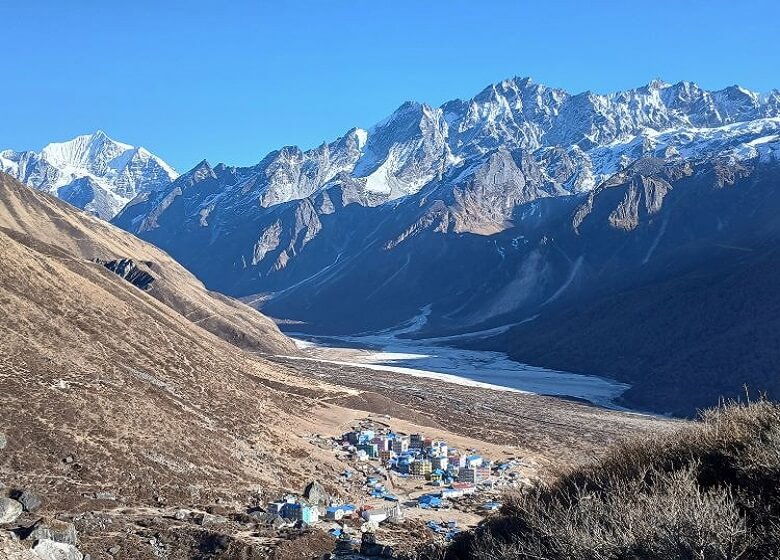
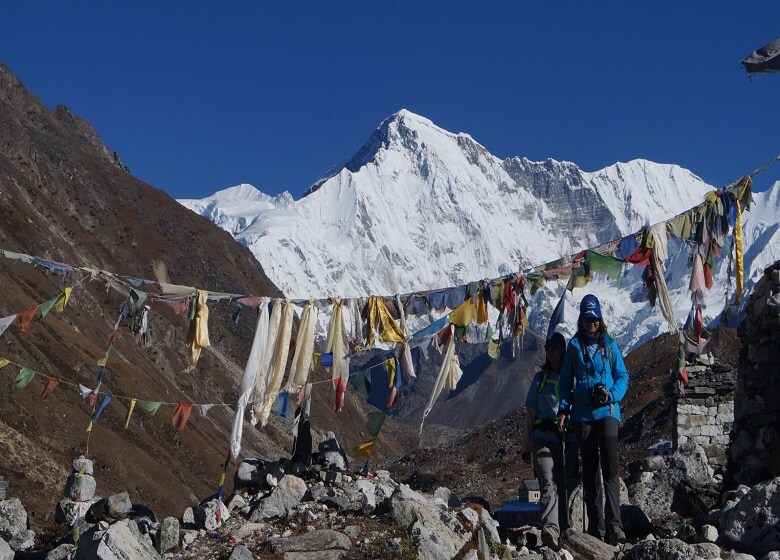
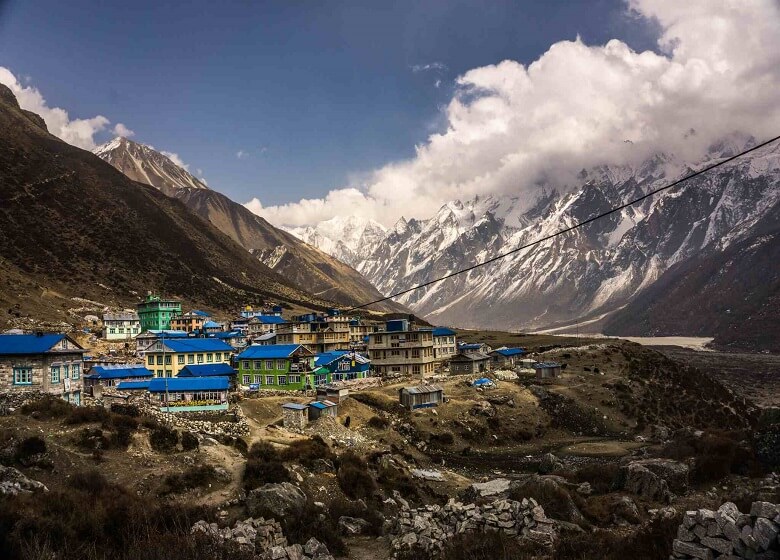
One of the defining aspects of the Langtang Valley Trek is its cultural richness. The region is predominantly inhabited by Tamang and Sherpa communities, both of which have maintained their unique traditions, languages, and lifestyles. Trekkers have the opportunity to interact with locals in their homes or tea houses, observe traditional farming practices, and witness religious practices linked to Tibetan Buddhism. Langtang village itself, the central hub of the valley, offers insight into local life, with its monasteries, prayer flags, and simple stone houses set against a backdrop of soaring peaks.
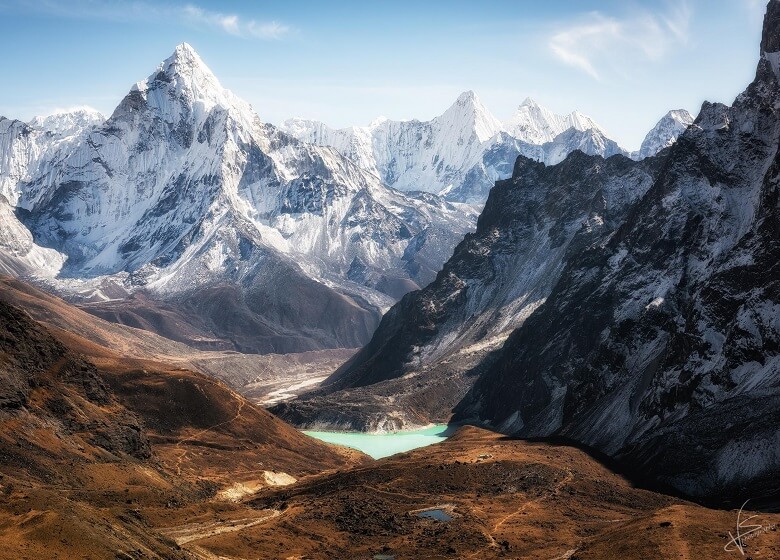
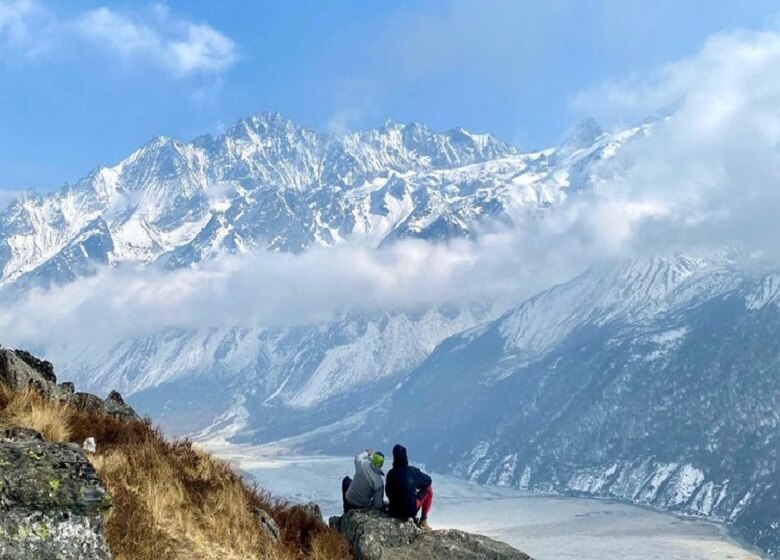
The natural beauty along the Langtang Trek is spectacular. As trekkers ascend higher into the valley, panoramic views of the surrounding mountains open up, including Langtang Lirung, which towers at 7,227 meters, Ganesh Himal, and other snow-capped peaks. The valley is flanked by glaciers, alpine meadows, and steep cliffs, creating dramatic landscapes that change with the seasons. Spring brings blooming rhododendrons, summer transforms the valley into lush greenery, autumn offers clear skies and crisp air, and winter blankets the region in snow, creating a serene and quiet environment.
The trek typically takes around 7 to 10 days, depending on the pace and chosen route, covering distances from 25 to 50 kilometers in total. Daily walking is usually 5 to 6 hours, which makes the trek moderate in difficulty, though the higher altitudes approaching Langtang village and Kyanjin Gompa can challenge those unaccustomed to mountainous terrain. One of the highlights of the trek is Kyanjin Gompa, a small village and Buddhist monastery situated at about 3,870 meters. From here, trekkers can undertake short side hikes to viewpoints or the nearby Tsergo Ri peak, offering panoramic views of Langtang Lirung and the surrounding Himalayan range.
Accommodation along the Langtang Valley Trek is primarily in teahouses or guesthouses, which provide basic but comfortable lodging. Meals are usually simple Nepalese fare, with staples like dal bhat (lentil soup with rice), momo (dumplings), noodles, and seasonal vegetables. Staying in local teahouses offers not only convenience but also a chance to engage with the community, sharing stories and learning about traditional ways of life. Despite being modest, these accommodations provide warmth, safety, and the opportunity to rest well for the next day’s trek.
One of the unique aspects of Langtang is its accessibility. Being close to Kathmandu, the trek does not require a long drive or domestic flight, unlike other popular treks. This proximity makes it feasible for travelers with limited time who still want a Himalayan experience. Additionally, the trail is well-marked, and the availability of guides and porters ensures that even first-time trekkers can complete the journey comfortably.
The Langtang Valley Trek also offers ecological and wildlife experiences. Langtang National Park is home to over 300 species of birds, including pheasants, Himalayan monals, and blood pheasants. Trekking through the forests, one may encounter musk deer, langurs, and even red pandas, though these elusive animals are rarely seen. The region is carefully protected, and trekkers are encouraged to follow responsible tourism practices, such as minimizing waste and respecting local customs and natural habitats.
The trek has both emotional and historical significance. In 2015, the Langtang Valley was heavily affected by the devastating earthquake, which destroyed much of Langtang village and surrounding areas. The community’s resilience and reconstruction efforts have been remarkable, and trekking in this region provides an opportunity to support local livelihoods while witnessing the recovery firsthand. Visiting the valley today, travelers can appreciate both the natural grandeur and the spirit of the local people who have rebuilt their homes and preserved their cultural heritage.
The best time to undertake the Langtang Valley Trek is during spring (March–May) and autumn (September–November). Spring offers rhododendron blooms and moderate temperatures, while autumn provides clear skies and excellent mountain visibility. Winter is colder but less crowded, and the landscape is often snow-covered, creating a quiet, serene trekking environment. Summer is less popular due to monsoon rains, which can make trails slippery and obscure mountain views.
Preparation for the trek requires moderate fitness and basic trekking gear. Proper hiking boots, layered clothing, a good quality sleeping bag, rain protection, and a daypack are essential. While trekking independently is possible, hiring a guide enhances safety, navigation, and cultural understanding. Porters are recommended for those who prefer to carry minimal loads and focus on enjoying the scenery.
In conclusion, the Langtang Valley Trek is an accessible, culturally rich, and visually stunning Himalayan trek. It combines the beauty of towering peaks, alpine meadows, and lush forests with deep cultural immersion among Tamang and Sherpa communities. The moderate difficulty, close proximity to Kathmandu, and variety of natural and cultural experiences make it a trek suitable for a wide range of travelers. Whether exploring the village life, hiking to panoramic viewpoints, or simply absorbing the quiet majesty of the Langtang region, this trek offers a memorable Himalayan experience that is both inspiring and deeply rewarding. For those looking for a journey that balances adventure with cultural and ecological insights, the Langtang Valley Trek remains one of Nepal’s most treasured trekking experiences.
Trip Highlights
- Stunning Himalayan Views
- Cultural Immersion
- Kyanjin Gompa Monastery
- Alpine Landscapes
- Wildlife Encounters
- Accessible Trekking
- Tsergo Ri Viewpoint
- Authentic Teahouse Experience
- Scenic Trails Along Rivers and Waterfalls
- Resilient Local Communities


