

Trip Info
-
Bus, Airline
-
3 Star hotel
-
Kathmandu
-
Feb-May
-
Eco-tour
-
All meal during trek
-
English, Spanish, Chinese
-
Easy to moderate
-
2-15
-
15
-
65
The Saipal Base Camp Trek is one of Nepal’s most remote and rewarding high-altitude trekking experiences. Nestled in the far western region of the country, in the Karnali Zone, this trek offers adventurers a chance to explore the untouched wilderness of the Saipal Himal, a less-visited mountain range that rises dramatically to 7,031 meters. Often overshadowed by Nepal’s more famous trekking regions like Everest and Annapurna, the Saipal region provides an extraordinary blend of solitude, natural beauty, and cultural immersion, making it ideal for trekkers seeking an authentic and off-the-beaten-path Himalayan experience.
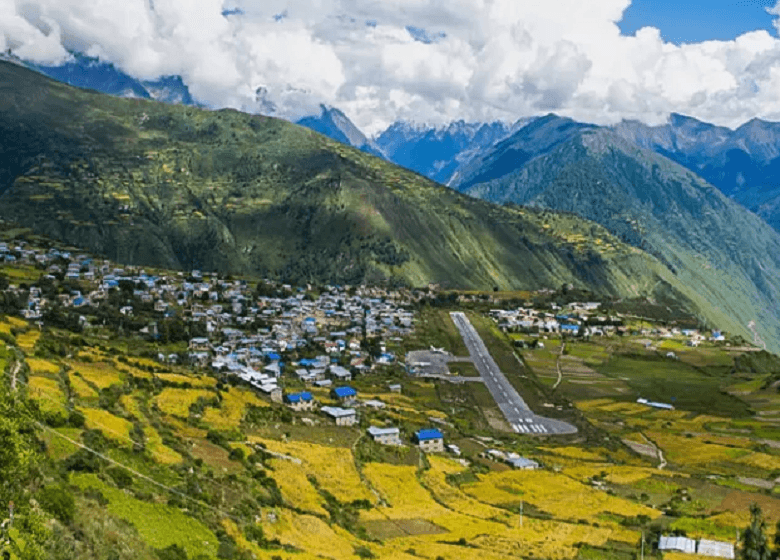
The trek typically begins with a flight to Dhangadhi or Nepalgunj, followed by either a road transfer or a short domestic flight to Darchula, the gateway to the trailhead. The journey into the Saipal region is in itself an introduction to the isolation and remoteness of far-western Nepal. The area remains largely untouched by commercial tourism, allowing trekkers to experience pristine landscapes, quiet villages, and traditional lifestyles that have changed little over generations. From the trailhead, the trek gradually ascends through subtropical forests, terraced farmland, and small rural settlements, offering a gentle introduction to high-altitude trekking while presenting the first glimpses of distant mountain ranges.
One of the most remarkable features of the Saipal Base Camp Trek is its diverse ecological zones. The lower valleys are lush with subtropical flora, including bamboo, rhododendron, and sal forests. As the trail climbs, the vegetation shifts to temperate pine and oak forests, then to alpine meadows dotted with wildflowers and medicinal herbs. Trekkers may encounter wildlife such as Himalayan monals, musk deer, snow leopards (rarely), and other endemic species, making this trek a haven for nature enthusiasts and photographers. The changing landscapes highlight Nepal’s ecological diversity, all within a region largely untouched by modern development.
The villages along the route offer cultural insights into the communities of far-western Nepal, including Chhetri, Thakuri, Dalit, and highland ethnic groups. These communities live in remote valleys, often relying on subsistence agriculture, livestock herding, and trade with neighboring regions. Tea houses and lodges are basic but welcoming, offering local meals and a chance to interact with villagers. The cultural experience is enriched by observing traditional architecture, local rituals, and seasonal festivals. These encounters provide a unique perspective on life in remote Himalayan settlements, where traditions have been preserved over centuries.
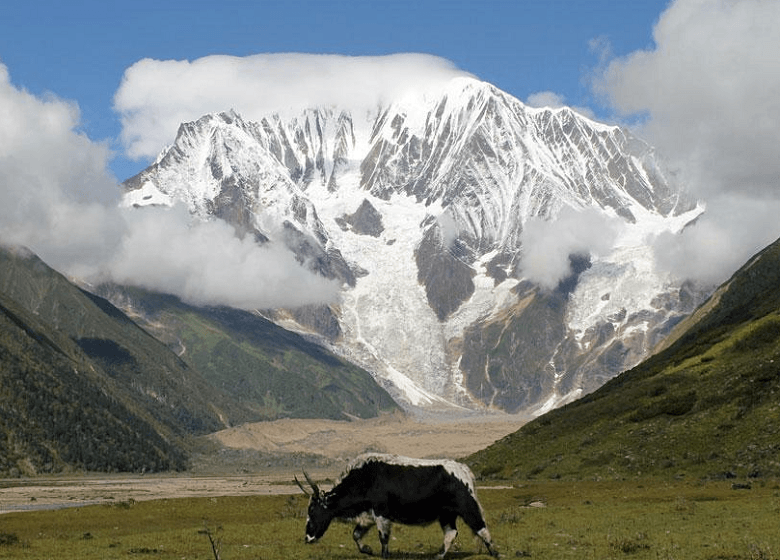
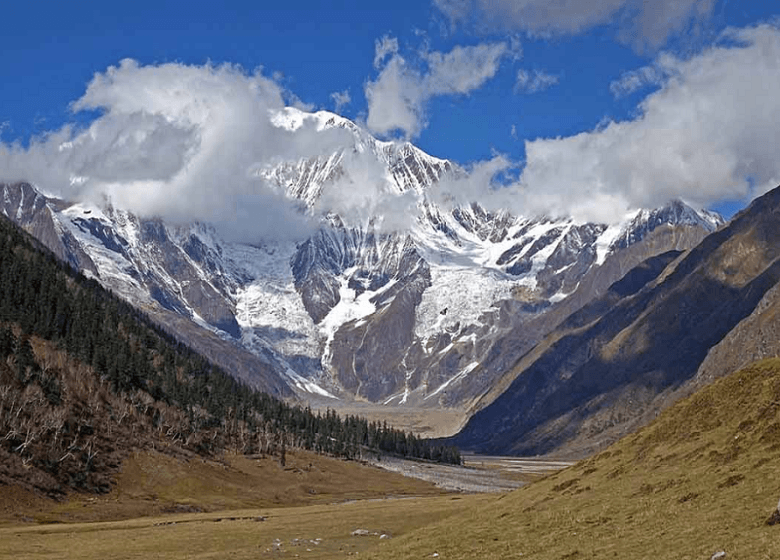
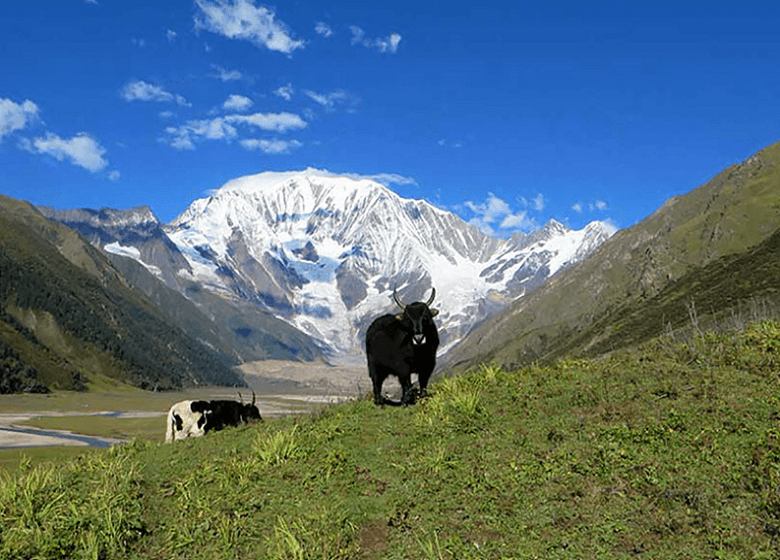
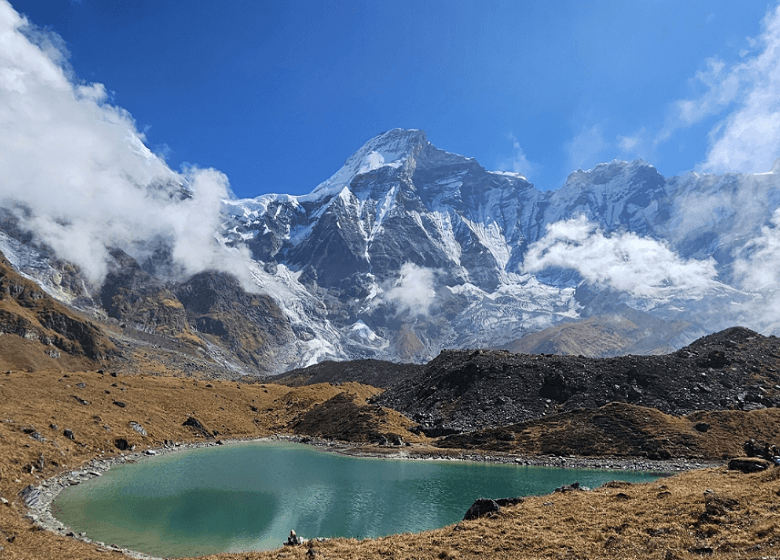
As the trek gains altitude, the scenery becomes more dramatic. Trekkers are treated to panoramic views of the Saipal, Api, and Nampa ranges, towering above deep valleys and glacial moraines. The trails traverse rocky ridges, alpine meadows, and glacial streams, creating a sense of adventure and discovery. Reaching the Saipal Base Camp at approximately 4,150 meters offers an unforgettable view of the massive north face of Saipal, surrounded by pristine glaciers and snowfields. The base camp serves as a vantage point to appreciate the scale and majesty of the mountain, as well as the surrounding peaks that form one of Nepal’s least-visited high-altitude regions.
Acclimatization is an important aspect of this trek. Although the trek does not reach extreme altitudes like Everest or Makalu, the gradual ascent allows trekkers to adjust to high-altitude conditions safely. Short acclimatization hikes near villages or along ridges help reduce the risk of altitude sickness while offering additional opportunities to enjoy sweeping mountain vistas. Trekkers must also be prepared for variable weather, including cold nights, sudden snow, and strong winds in the alpine zones. Proper gear, clothing, and preparation are essential for a safe and comfortable experience.
Descending from the Saipal Base Camp provides a new perspective on the journey. Trekkers often notice details that were missed on the ascent, from hidden waterfalls to secluded side valleys. Wildlife sightings and cultural encounters continue, and the descent allows for reflection on the challenges and rewards of navigating such a remote region. The return journey often retraces parts of the route while providing opportunities to explore villages and viewpoints along the way. The combination of physical effort and mental resilience required for the trek adds to the sense of accomplishment upon completion.
The Saipal Base Camp Trek is suitable for trekkers with moderate to high fitness levels and some prior trekking experience. It is considered moderately challenging due to the remote location, rugged terrain, and limited facilities. Despite these challenges, the trek is highly rewarding, offering solitude, natural beauty, and cultural immersion that are difficult to find on more popular routes. Unlike crowded trekking areas, the Saipal region allows trekkers to enjoy uninterrupted views of mountains, glaciers, and valleys, creating a deeply personal and memorable wilderness experience.
For photographers and naturalists, the trek offers extraordinary opportunities. The dramatic peaks, glacial valleys, and pristine alpine meadows provide endless subjects for photography. Sunrise and sunset over the Saipal and Api ranges cast striking light on the jagged peaks, while the wide-open valleys allow for panoramic shots that capture the scale of the Himalayas. Birdwatchers and wildlife enthusiasts will also find the trek rewarding, with chances to observe rare species in their natural habitat. The isolation of the region enhances the sense of discovery and adventure, making every moment in the landscape feel unique.
From a logistical standpoint, the best months for trekking are pre-monsoon (March to May) and post-monsoon (September to November), when skies are clear, temperatures are moderate, and the risk of heavy snow is lower. Trekking permits, including those for the Api Nampa Conservation Area, are required and are usually arranged in advance through trekking agencies. Guides and porters are strongly recommended, both for navigation and for enriching the trek with local knowledge about culture, terrain, and wildlife. The region’s remoteness makes experienced support essential for safety and efficiency.
The Saipal Base Camp Trek is not just about physical challenge; it is also a journey of personal discovery. The isolation, natural beauty, and cultural immersion foster reflection and a sense of connection with the Himalayan environment. Trekkers often remark on the feeling of being truly “away” from the modern world, with only the mountains, valleys, and local communities for company. This combination of adventure, serenity, and cultural richness makes the trek a unique and deeply rewarding Himalayan experience.
Trip Highlights
- Trek through the remote and pristine Api Nampa Conservation Area
- Reach the base camp of Saipal Mountain (7,031 m) with spectacular glacier views
- Experience solitude on one of Nepal’s least-traveled trekking routes
- Panoramic vistas of Saipal, Api, and surrounding Himalayan peaks
- Explore traditional villages of Chhetri, Thakuri, Dalit, and highland ethnic communities
- Pass through diverse landscapes from subtropical forests to alpine meadows and glacial moraines
- Spot rare Himalayan wildlife, including snow leopards, musk deer, and Himalayan monals
- Photograph dramatic sunrise and sunset over jagged high peaks
- Engage with local communities and experience far-western Nepalese culture and traditions
- Navigate challenging high-altitude trails for a rewarding adventure and sense of accomplishment


