

Trip Info
-
Bus, Airline
-
3 Star hotel
-
Kathmandu
-
Feb-May
-
Eco-tour
-
All meal during trek
-
English, Spanish, Chinese
-
Easy to moderate
-
2-15
-
15
-
65
The Dhorpatan Hunting Reserve Trek is one of those rare journeys in Nepal that still feels untouched. It’s not as famous as Everest or Annapurna, and that’s exactly what makes it special. Instead of busy trails and packed teahouses, you get quiet paths, raw Himalayan landscapes, and a chance to experience local life in a way that feels real and unfiltered. This trek takes you deep into western Nepal, where nature is still wild and traditions haven’t changed much over time.
Set in the Dhaulagiri range, Dhorpatan is Nepal’s only hunting reserve, spread across a large area that covers parts of Baglung, Myagdi, and Rukum. It was established in 1987 with a balance in mind, allowing controlled hunting while protecting wildlife and their habitats. Over the years, it has slowly gained attention among trekkers who are looking for something offbeat, somewhere they can disconnect and truly feel close to nature.
The trek usually takes around 9 to 14 days, depending on how you plan it. Most journeys start from Kathmandu with a drive or flight to Pokhara, followed by a road trip to Baglung or Beni. From there, you begin walking through villages, farmland, and forest trails. The climb is gradual, so you ease into the journey rather than being thrown straight into high altitude. As you move forward, the scenery keeps changing, from green hills and cultivated land to dense forests and eventually wide open alpine spaces.
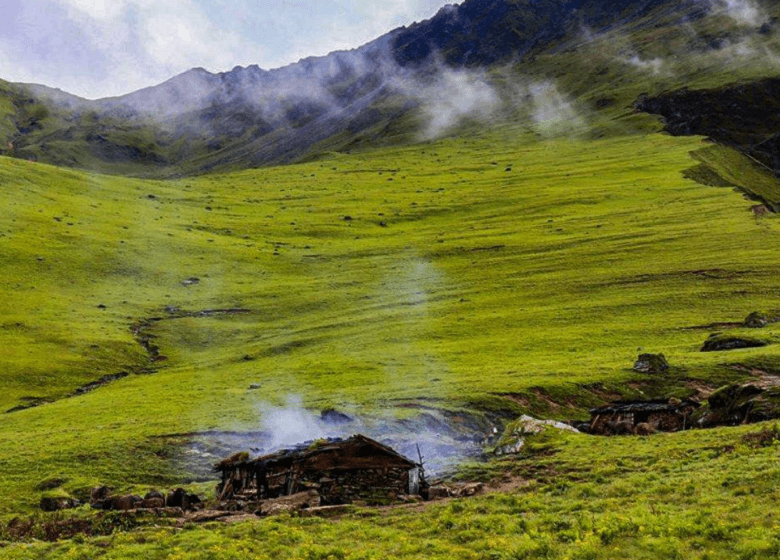
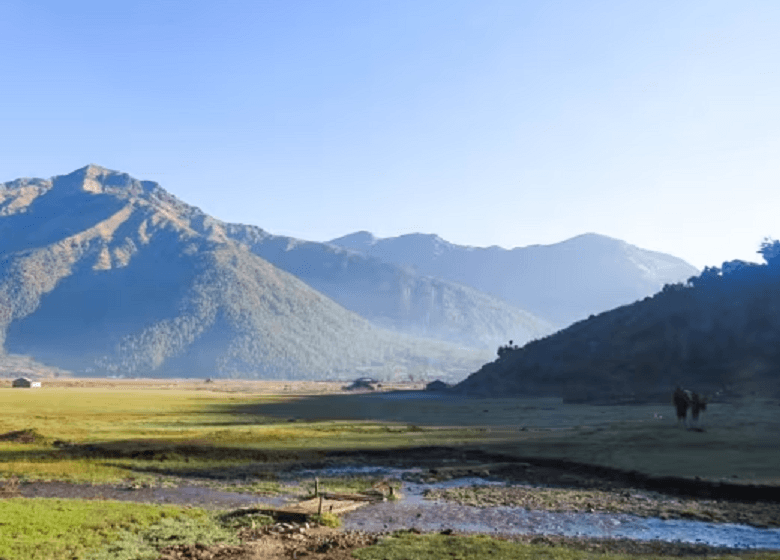
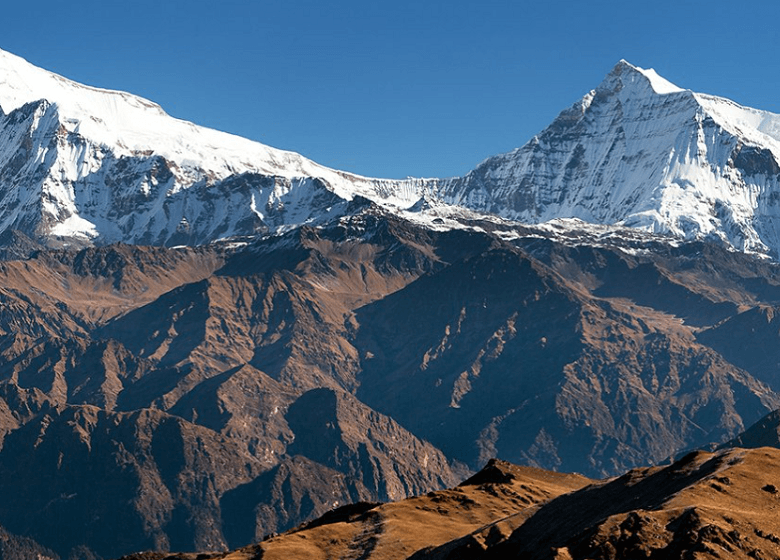
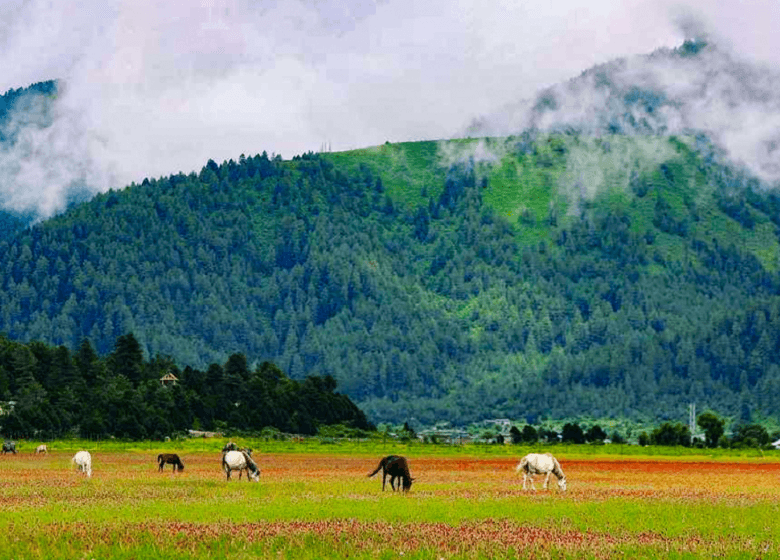
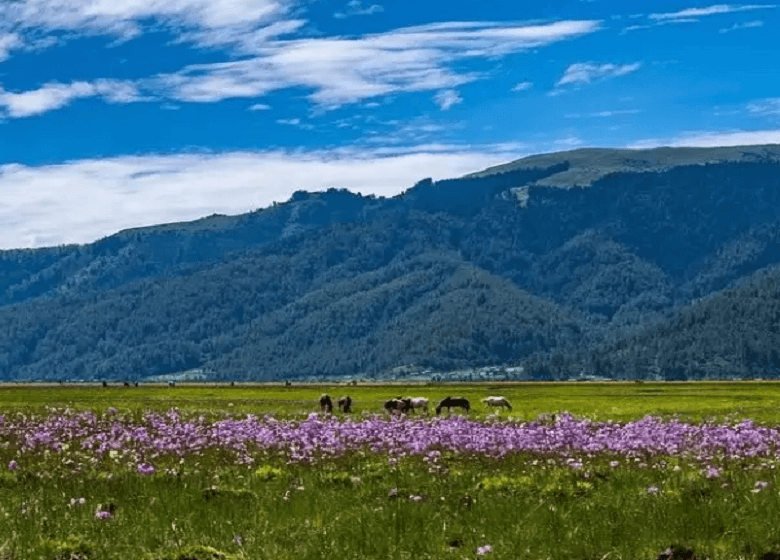
What really stands out on this trek is the variety in landscapes. One day you’re walking through thick forests filled with pine, oak, and rhododendron trees, and the next you’re out in open grasslands with huge views all around you. These high meadows, called “patans,” are a highlight. They feel vast and peaceful, with mountain ranges like Dhaulagiri and Gurja Himal rising in the distance. The altitude gain adds to the experience, making it both a visual treat and a bit of a physical challenge.
Wildlife is a big part of what makes this place special. Since the area is protected, there’s a good chance of spotting animals like blue sheep, Himalayan tahr, and musk deer. If you’re lucky, you might even hear about sightings of a snow leopard, though they are extremely rare to see. Bird lovers will also enjoy this trek, as the forests and hills are home to colorful species like the Himalayan monal and different types of pheasants.
Beyond the natural beauty, the cultural experience here is just as meaningful. The region is home to communities like the Magar and Gurung, and walking through their villages gives you a glimpse into a simpler way of life. People are welcoming, and while facilities are basic, the warmth you receive more than makes up for it. You’ll notice traditional houses, local farming practices, and a slower rhythm of life that feels refreshing compared to busy city environments.
A typical route might take you from Baglung or Beni to Burtibang, and then onward to the Dhorpatan Valley. Many trekkers spend an extra day there to rest and explore. From the valley, you can hike up to nearby ridges or highlands like Bukipatan for incredible views and better chances of spotting wildlife. Depending on your plan, you can return the same way or create a loop to see more of the region.
In terms of difficulty, this trek sits somewhere between moderate and challenging. You don’t need technical climbing skills, but you do need decent fitness and some trekking experience. The trails can be long, and the remote setting means you won’t find luxury stays or easy access to services. Accommodation is simple, and connectivity is limited, so it’s best to be prepared for a more basic lifestyle during the journey.
The best time to go is during spring or autumn. In spring, the forests come alive with blooming rhododendrons, adding bright colors to the trail. Autumn, on the other hand, offers clear skies and crisp air, making it perfect for mountain views. Both seasons give you stable weather, which is important in a region like this.
What really makes the Dhorpatan trek stand out is the sense of isolation. You won’t see crowds here. In fact, there may be days when you don’t come across any other trekkers at all. That quietness, combined with the natural surroundings, creates a very personal experience. You start to notice small things, the sound of the wind, the movement of animals, the stillness of the landscape.
Another interesting aspect of this area is how it balances conservation with controlled hunting. While it may sound unusual, the system is carefully managed, and the funds help support wildlife protection and maintain the ecosystem. It’s a different model, but one that shows how conservation can take different forms depending on the region.
Overall, the Dhorpatan Hunting Reserve Trek is perfect for those who want to step away from the usual trekking routes and experience something more raw and genuine. It’s not just about reaching a destination, but about enjoying the journey through quiet trails, meeting local communities, and spending time in a part of the Himalayas that still feels truly wild.
Trip Highlights
- Offbeat and uncrowded trail
- Nepal’s only hunting reserve
- Diverse landscapes
- Stunning Himalayan views
- Beautiful alpine meadows (Patans)
- Rich wildlife experience
- Authentic local culture
- Peaceful natural environment
- Flexible trekking routes
- Perfect for adventure seekers


