

Trip Info
-
Bus, Airline
-
3 Star hotel
-
Kathmandu
-
Feb-May
-
Eco-tour
-
All meal during trek
-
English, Spanish, Chinese
-
Easy to moderate
-
2-15
-
12
-
11
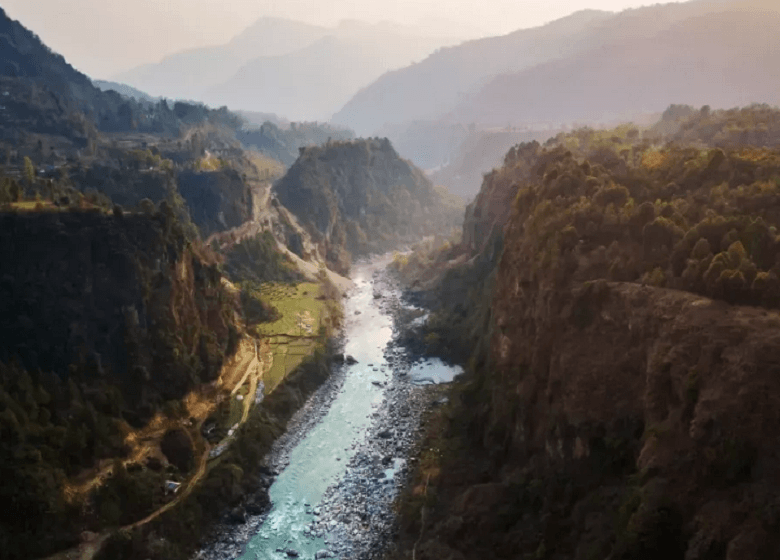
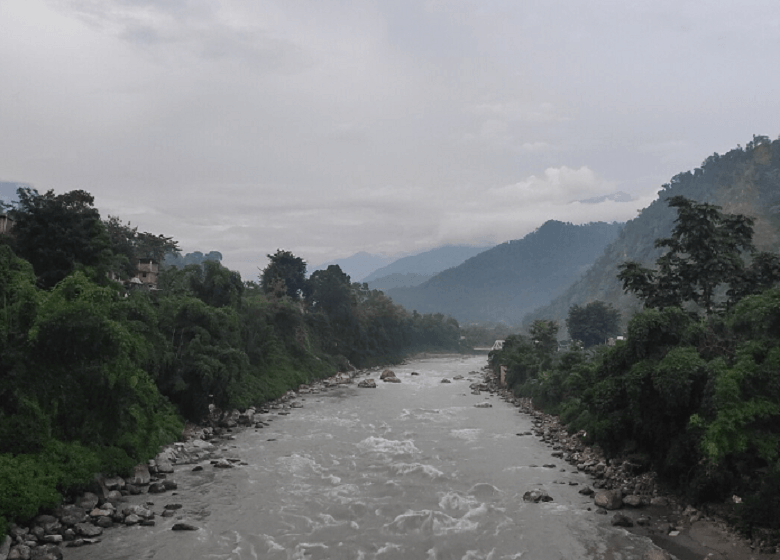
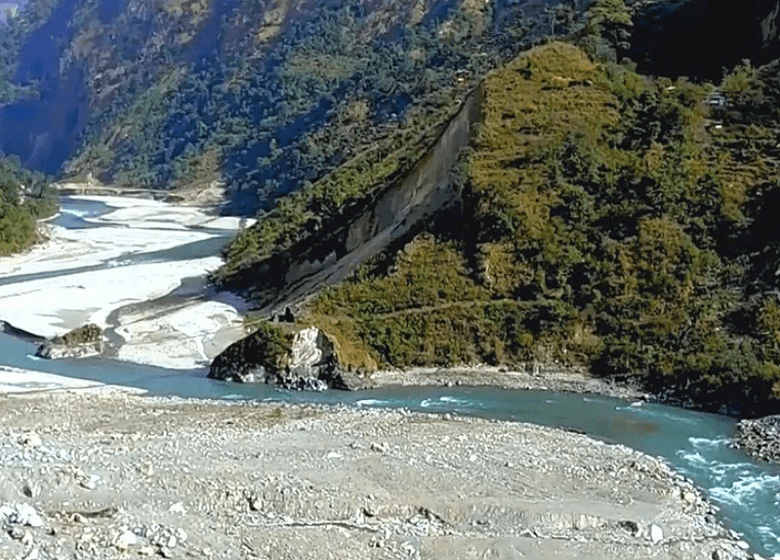
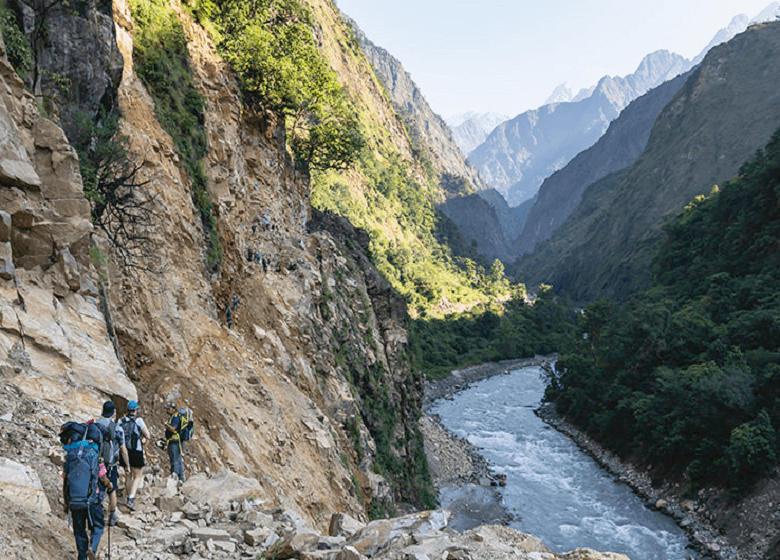
The Budi Gandaki Trek is one of those journeys that feels quietly powerful rather than overly dramatic. It doesn’t try to compete with the big-name routes like Everest Base Camp or the Annapurna Circuit, yet it offers something just as meaningful. This trek follows the course of the Budhi Gandaki River, winding through remote valleys, traditional villages, terraced fields, and deep gorges, eventually leading toward the Manaslu region. It’s a route that still feels authentic, where daily life unfolds naturally and the mountains reveal themselves slowly.
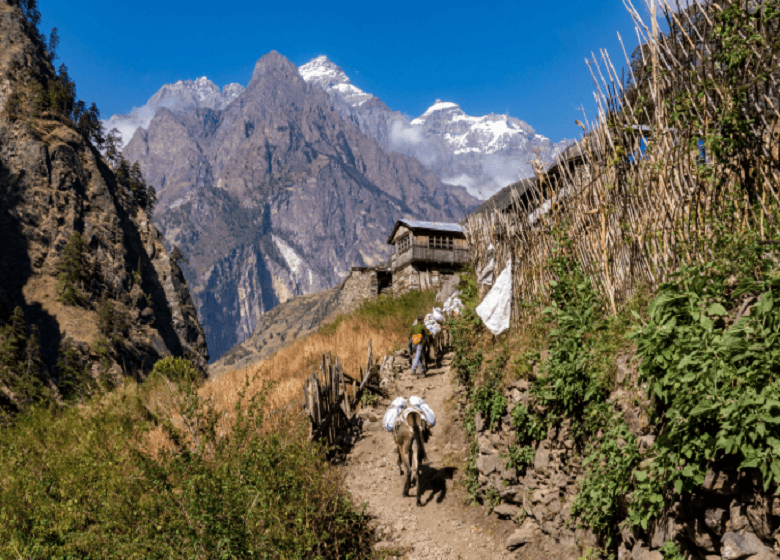
What makes this trek special is the sense of progression. You’re not just walking toward a viewpoint or a landmark. You’re moving through changing landscapes and cultures, step by step. The trail begins in the lower hills, where the air is warm and the terrain is lush. You’ll pass through small settlements surrounded by rice paddies and millet fields, where farmers are working the land and children greet you with curiosity. Suspension bridges cross the river at different points, giving you a constant connection to the Budhi Gandaki as it flows beside you.
As you continue, the scenery begins to shift. The forests grow denser, and the valleys narrow. The sound of the river becomes louder as it rushes through rocky gorges. The trail can feel more rugged here, with sections that climb steeply before descending again to the riverbanks. This constant up and down is part of the character of the trek. It’s not overly technical, but it does require steady energy and patience.
One of the most rewarding aspects of the Budi Gandaki Trek is the cultural experience. The route passes through a mix of ethnic communities, including Gurung and later Tibetan-influenced villages as you move higher. Each village has its own rhythm and personality. You’ll notice changes in architecture, clothing, and even the food. In the lower regions, meals are simple and familiar, while higher up you’ll start to see Tibetan-style dishes and Buddhist influences in daily life.
Monasteries, prayer flags, and mani walls begin to appear as you approach the upper sections of the trek. These elements aren’t staged for visitors. They’re part of everyday life, which gives the journey a grounded and genuine feel. It’s common to hear the low hum of prayer wheels or see locals spinning them as they pass. These small moments add depth to the experience and remind you that this is more than just a physical journey.
The natural beauty along the Budhi Gandaki is diverse and constantly changing. In the early days, the landscape is green and fertile, with waterfalls cascading down hillsides. As you gain altitude, the vegetation becomes sparser, and the views open up. Snow-capped peaks start to appear in the distance, offering glimpses of what lies ahead. The Manaslu region, in particular, brings a sense of scale that’s hard to describe until you see it for yourself.
Wildlife is another quiet highlight. While you’re unlikely to encounter anything dramatic, the forests are alive with birds and small animals. If you’re attentive, you might spot langurs moving through the trees or hear the distant call of Himalayan birds. These subtle encounters add to the feeling that you’re moving through a living landscape, not just a scenic one.
Accommodation along the route is generally in teahouses or simple lodges. These are basic but welcoming, offering a place to rest, eat, and connect with fellow trekkers and locals. Evenings are often spent around a stove, sharing stories and warming up after a long day on the trail. The simplicity of these stays is part of the charm. There’s no rush, no distractions, just the rhythm of the trek.
Food is hearty and designed to keep you going. Dal bhat is a staple, providing energy for the long walking days. You’ll also find noodles, soups, and occasional local specialties depending on the village. Meals are straightforward but satisfying, especially after hours on the trail.
The trek typically takes around 10 to 14 days, depending on the route and pace. It’s not a race, and taking your time allows you to fully absorb the experience. Altitude gain is gradual, which helps with acclimatization, but it’s still important to listen to your body and pace yourself. The highest sections bring cooler temperatures and thinner air, but they also offer some of the most rewarding views.
One thing to keep in mind is that the Budi Gandaki route is less developed than some of Nepal’s more popular treks. This means fewer crowds, which is a major advantage if you’re looking for a quieter experience. At the same time, it requires a bit more flexibility and preparation. Trails can be rough in places, and services are more limited, especially in remote areas.
The best time to undertake the trek is during spring and autumn. These seasons offer clear skies, stable weather, and comfortable temperatures. Spring brings blooming rhododendrons, adding color to the landscape, while autumn provides crisp air and some of the best mountain visibility.
What stays with most people after completing the Budi Gandaki Trek isn’t just the scenery, but the feeling of connection. It’s the conversations with locals, the rhythm of walking alongside the river, and the gradual transition from lowland villages to high mountain terrain. It’s a trek that rewards patience and curiosity rather than speed.
In many ways, this journey represents the essence of trekking in Nepal before it became widely commercialized. It’s about immersion rather than checklist achievements. You’re not just passing through; you’re part of the landscape for a while. And by the time you finish, you’ll likely feel like you’ve experienced something deeper than just a trek.
For those who value authenticity, cultural richness, and a sense of quiet adventure, the Budi Gandaki Trek offers a deeply satisfying experience. It may not be the most famous route, but that’s exactly what makes it memorable.
Trip Highlights
- Scenic trekking route following the Budhi Gandaki River through deep valleys and gorges
- Authentic cultural experience in traditional Gurung and Tibetan-influenced villages
- Gradual transition from lush green hills to rugged alpine landscapes
- Stunning views of Manaslu, Himalchuli, and surrounding Himalayan peaks
- Crossing multiple suspension bridges over fast-flowing mountain rivers
- Peaceful trails with fewer crowds compared to popular trekking routes
- Encounters with monasteries, prayer flags, and Buddhist heritage sites
- Diverse flora and fauna, including forests, waterfalls, and wildlife
- Warm hospitality in local teahouses and homestays along the route
- Opportunity to experience a raw and less-commercialized side of Nepal trekking


