

Trip Info
-
Bus, Airline
-
3 Star hotel
-
Kathmandu
-
Feb-May
-
Eco-tour
-
All meal during trek
-
English, Spanish, Chinese
-
Easy to moderate
-
2-15
-
15
-
65
The Limi Valley Trek is one of Nepal’s most remote and culturally rich journeys, tucked away in the far northwest near the Tibetan border. Unlike the more commercial trekking routes of Everest or Annapurna, Limi Valley offers a rare sense of isolation, raw Himalayan landscapes, and a deep connection to ancient Tibetan-influenced traditions. It’s not just a trek, it’s an expedition into a part of the world that has remained largely untouched by modern tourism.
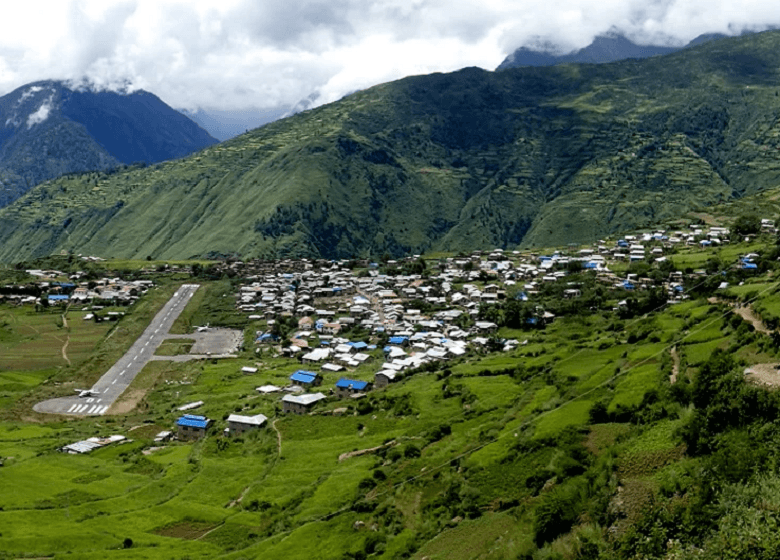
The journey typically begins with a flight from Kathmandu to Nepalgunj, followed by another flight to Simikot, the administrative center of Humla district. From here, the trek gradually unfolds through high-altitude terrain, traditional villages, and barren yet striking landscapes. Simikot itself sits on a ridge surrounded by green hills, offering a gentle introduction before the trail leads into more rugged and remote regions.
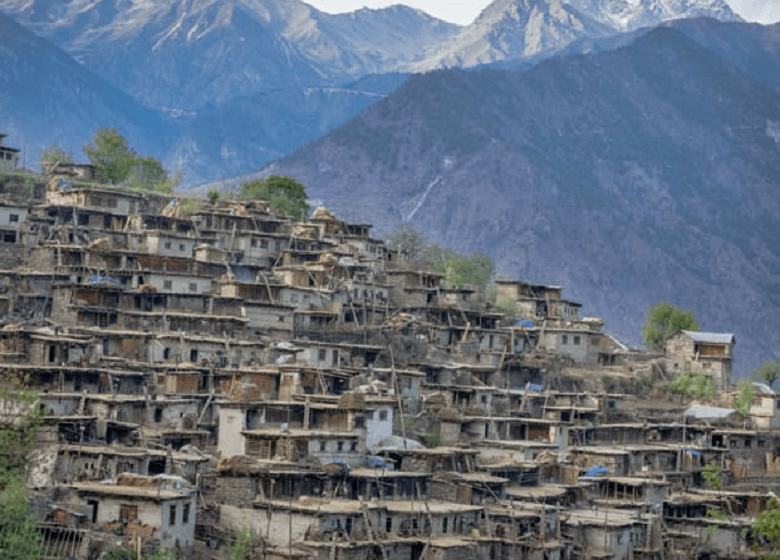
As you leave Simikot, the path descends toward the Karnali River, one of Nepal’s longest rivers. The trail winds through pine forests, small settlements, and suspension bridges, gradually gaining altitude. The early days of the trek involve moderate walking, allowing your body to acclimatize while you absorb the quiet rhythm of life in these isolated mountain communities. Villages like Dharapuri and Kermi provide glimpses into local culture, where stone houses, prayer flags, and terraced fields create a timeless atmosphere.
Kermi is especially notable for its natural hot springs and ancient monasteries. Spending time here allows trekkers to rest, recover, and explore centuries-old Buddhist traditions. The monasteries, adorned with murals and prayer wheels, reflect the strong spiritual identity of the region. From this point onward, the landscape begins to change dramatically. Vegetation becomes sparse, and the terrain takes on a more arid, Tibetan plateau-like character.
The trek continues toward Yalbang and Muchu, gradually gaining elevation. These villages are deeply rooted in Tibetan Buddhism, and interactions with locals often reveal a way of life that has remained consistent for generations. Farming and animal husbandry dominate daily routines, and the sense of community is strong. The remoteness of the area means that hospitality is genuine and unfiltered, offering trekkers a rare opportunity to connect with people in a meaningful way.
Crossing high passes is one of the defining features of the Limi Valley Trek. The Nyalu La Pass, standing at over 4,900 meters, is among the most challenging and rewarding sections. The ascent requires stamina and careful pacing, but the views from the top are unforgettable. Vast mountain ranges stretch in every direction, with snow-capped peaks contrasting against the stark, open terrain. Prayer flags flutter in the wind, marking the pass and symbolizing blessings for safe passage.
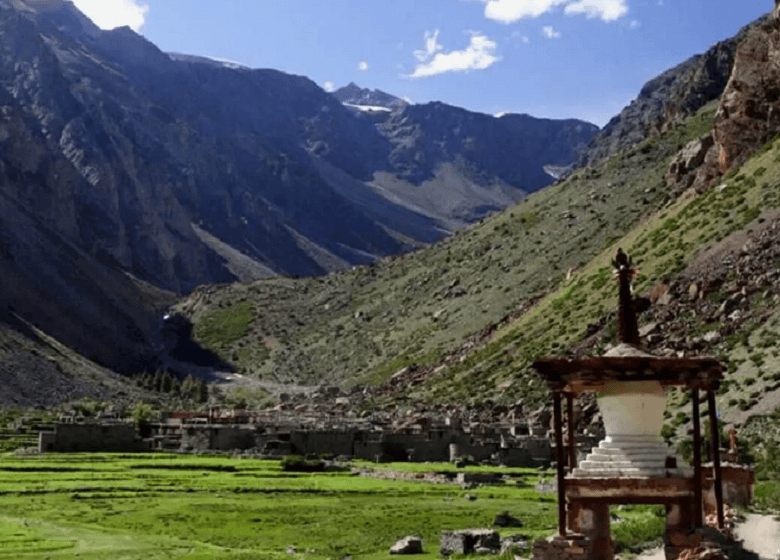
After crossing into the Limi Valley itself, the environment feels almost otherworldly. The valley lies close to the Tibetan border, and its cultural and geographical characteristics reflect this proximity. The villages of Halji, Til, and Jang are the main settlements in the valley, each offering a unique perspective on local life. Halji, the largest of the three, is home to the ancient Rinchhen Ling Monastery, believed to be over a thousand years old. Its architecture, artwork, and spiritual significance make it a highlight of the trek.
Life in Limi Valley is simple yet deeply connected to tradition. The people here follow Tibetan Buddhist practices, and their festivals, rituals, and daily routines are shaped by this heritage. You’ll see mani walls, chortens, and prayer wheels throughout the valley, each carrying spiritual meaning. The landscape itself, with its wide open spaces and dramatic mountains, seems to amplify the sense of peace and introspection.
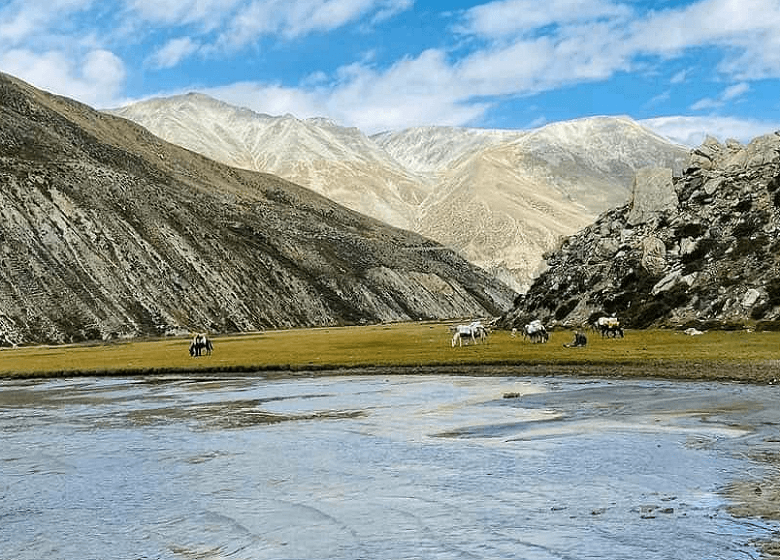
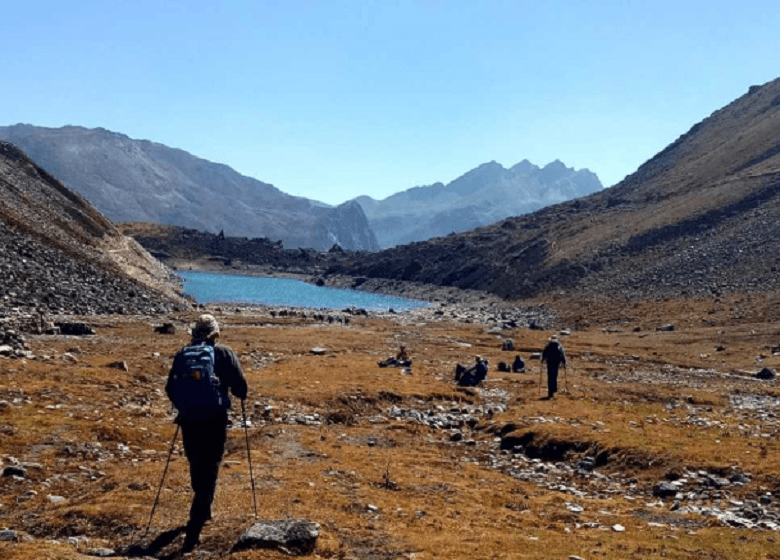
One of the most striking aspects of the Limi Valley Trek is the sense of scale. Unlike more forested trekking regions, this area features expansive views and open skies. The terrain ranges from rocky paths and river crossings to high-altitude deserts and alpine meadows. Wildlife sightings are possible, including blue sheep and, with luck, even the elusive snow leopard. The remoteness also means that trekkers often go days without encountering others, adding to the feeling of true wilderness.
The return journey typically involves crossing another high pass, the Nara La Pass, before descending back toward Simikot. This section can be physically demanding, but it offers a final opportunity to take in the grandeur of the region. As you descend, the landscape gradually shifts back to greener hills, signaling the end of the high-altitude adventure.
Logistically, the Limi Valley Trek is considered a restricted area trek, requiring special permits and a registered guide. This helps preserve the region’s cultural and environmental integrity while ensuring trekkers are properly supported. Due to its remoteness, the trek demands good physical fitness, prior trekking experience, and careful preparation. Altitude sickness is a real concern, so proper acclimatization and pacing are essential.
Accommodation along the route is basic, often in local teahouses or homestays. In some sections, especially within the valley, camping may be necessary. This adds to the expedition-like nature of the trek, requiring a support team that includes guides, porters, and possibly cooks. While the facilities are simple, the authenticity of the experience more than compensates for the lack of luxury.
The best time to undertake the Limi Valley Trek is during the spring (April to June) and autumn (September to November) seasons. During these periods, the weather is relatively stable, and the skies are clear, offering the best views of the surrounding mountains. Winter brings heavy snowfall, making the passes difficult to cross, while the monsoon season can make travel to the region challenging due to flight disruptions.
What truly sets the Limi Valley Trek apart is its combination of natural beauty and cultural depth. It’s not a trek for those seeking comfort or convenience. Instead, it appeals to travelers who are drawn to remote places, meaningful encounters, and the kind of silence that’s hard to find elsewhere. Every step feels like a journey back in time, where ancient traditions and untouched landscapes come together in a way that’s both humbling and inspiring.
In a world where many trekking routes are becoming increasingly crowded, Limi Valley remains a rare exception. It offers a chance to experience the Himalayas in their purest form, far from the noise of modern tourism. For those willing to take on the challenge, the rewards are profound: breathtaking scenery, genuine cultural connections, and the satisfaction of exploring one of Nepal’s last hidden corners.
Trip Highlights
- One of Nepal’s Most Remote Treks
- Unique Tibetan-Inspired Culture
- Ancient Monasteries
- High Mountain Passes
- Spectacular Himalayan Landscapes
- Authentic Village Life
- Natural Hot Springs at Kermi
- Wildlife Encounters
- Karnali River Valley Trekking
- True Off-the-Beaten-Path Adventure


