

Trip Info
-
Bus, Airline
-
3 Star hotel
-
Kathmandu
-
Feb-May
-
Eco-tour
-
All meal during trek
-
English, Spanish, Chinese
-
Easy to moderate
-
2-15
-
15
-
65
The Ganesh Himal Trek is one of Nepal’s most underrated and rewarding trekking experiences, offering a unique blend of natural beauty, cultural richness, and peaceful isolation. Named after the elephant-headed Hindu deity Ganesh, the Ganesh Himal range lies between the Langtang National Park and the Manaslu region, forming a rugged and less-explored section of the central Himalayas. Unlike the more popular trekking routes in Nepal, this region remains largely untouched by mass tourism, making it an ideal choice for trekkers seeking solitude, authenticity, and a deeper connection with nature.
The trek typically begins with a drive from Kathmandu to Syabrubesi, Betrawati, or other nearby starting points depending on the chosen route. The journey into the region offers scenic views of terraced hills, rivers, and traditional villages, setting the tone for the adventure ahead. From the very first day of trekking, the trail leads through lush forests, rolling hills, and rural settlements, gradually ascending into more remote and rugged landscapes.
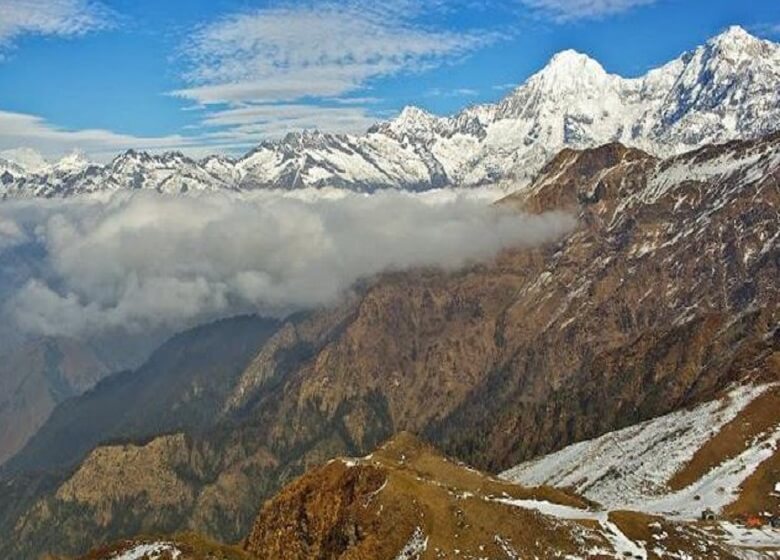
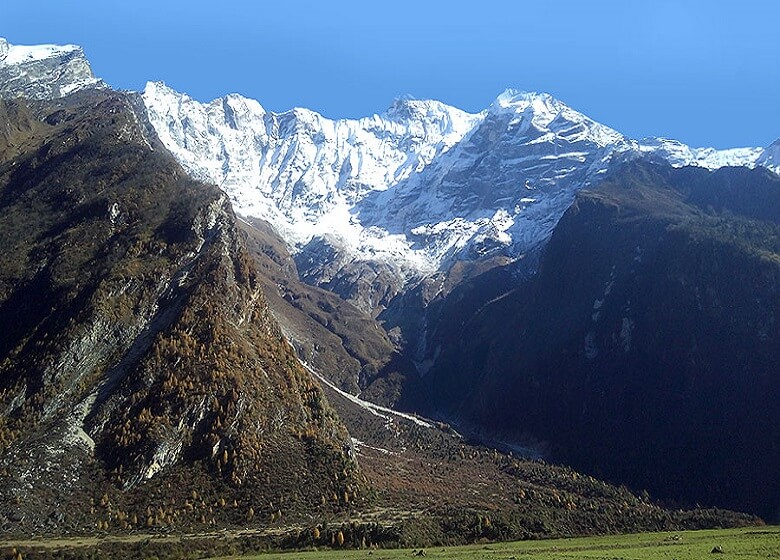
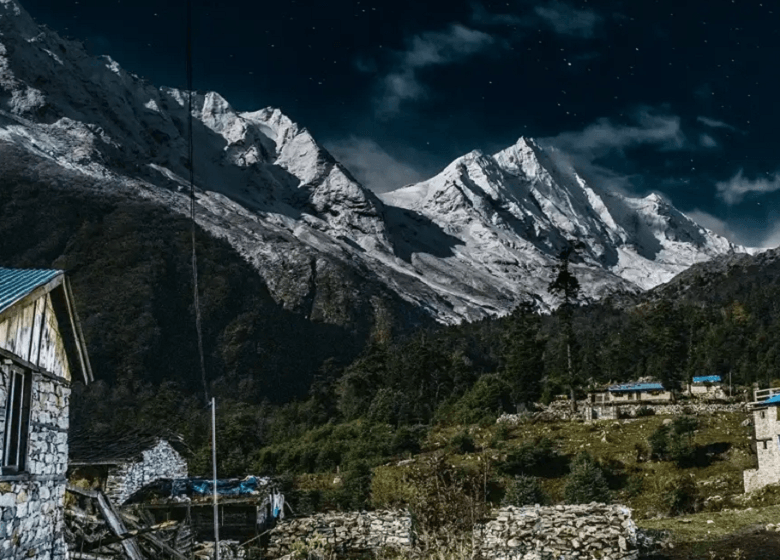
One of the defining features of the Ganesh Himal Trek is its incredible diversity of landscapes. The lower sections are characterized by subtropical forests filled with sal trees, bamboo groves, and terraced farmland. As trekkers gain altitude, the vegetation transitions into dense rhododendron and pine forests, especially vibrant during the spring season when rhododendrons bloom in a variety of colors. Higher up, the terrain opens into alpine meadows, rocky ridges, and panoramic viewpoints that offer breathtaking vistas of snow-capped peaks.
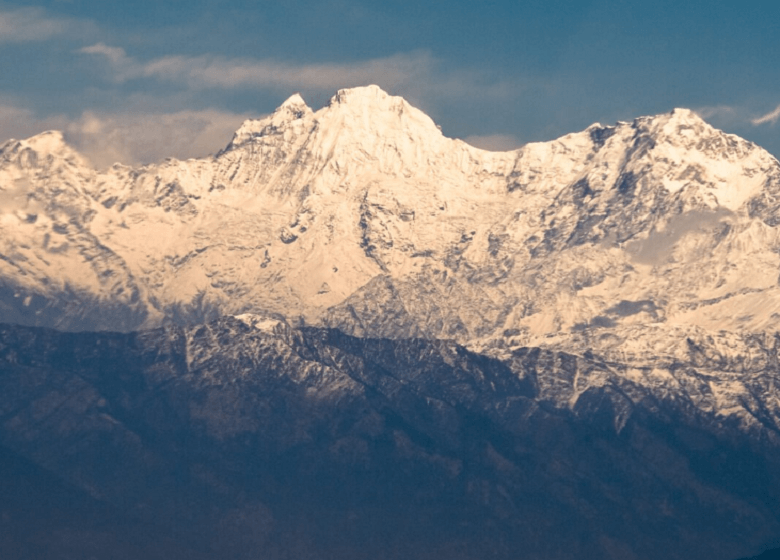
The Ganesh Himal range itself includes several prominent peaks, such as Ganesh I (7,422m), Ganesh II, III, and IV. Throughout the trek, trekkers are rewarded with stunning views of these peaks, along with neighboring mountains like Langtang Lirung, Manaslu, and even parts of the Annapurna range on clear days. The views are particularly striking from high passes and ridgelines, where the mountains seem to stretch endlessly across the horizon.
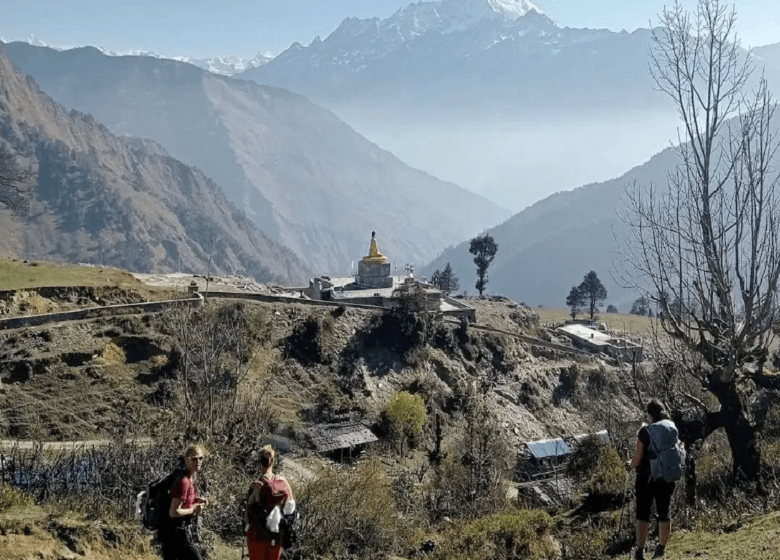
Culturally, the Ganesh Himal region is rich and diverse, home to various ethnic groups including Tamang, Gurung, and Brahmin communities. Each village along the trail offers a glimpse into traditional Himalayan life, where customs and daily routines have remained largely unchanged for generations. The Tamang people, in particular, have strong Tibetan influences, reflected in their language, dress, and religious practices. Trekkers will encounter monasteries, prayer flags, chortens, and mani walls, all of which contribute to the spiritual atmosphere of the region.
One of the highlights of the trek is the opportunity to experience authentic village life. Unlike more commercialized trekking areas, the Ganesh Himal region offers a more personal and genuine interaction with locals. Many trekkers stay in homestays or basic lodges, where they can share meals with host families and learn about their traditions and way of life. This cultural exchange adds a meaningful dimension to the trekking experience.
The route often includes crossing scenic high passes such as Sing La Pass (around 4,050 meters) and Pangsang La Pass (around 3,850 meters), both of which offer panoramic mountain views and a sense of accomplishment. These passes are among the most memorable parts of the trek, combining physical challenge with spectacular scenery. The trails leading to these passes pass through forests, meadows, and remote grazing lands, often with very few other trekkers in sight.
The Ganesh Himal Trek is also known for its rich biodiversity. The forests are home to a variety of wildlife, including langurs, Himalayan black bears, and possibly even red pandas, although sightings are rare. Bird enthusiasts will appreciate the wide range of Himalayan bird species found in the region. The combination of diverse flora and fauna makes the trek especially appealing for nature lovers.
Accommodation during the trek is generally simple, with a mix of basic tea houses and homestays. In more remote sections, camping may be required, depending on the itinerary and available infrastructure. Meals are typically traditional and locally prepared, with staples like dal bhat, vegetables, and simple soups providing nourishment after long days of trekking. While the facilities may be modest, the hospitality and warmth of the local people create a welcoming and comfortable environment.
The Ganesh Himal Trek usually takes around 10 to 14 days, depending on the route and pace. It is considered a moderate to challenging trek, suitable for those with a reasonable level of fitness and some prior trekking experience. Daily walking hours can range from 5 to 7 hours, often on uneven terrain with gradual ascents and descents. The relatively lower altitude compared to some high Himalayan treks makes it more accessible, though proper preparation is still essential.
The best time to undertake the Ganesh Himal Trek is during the spring (March to May) and autumn (September to November) seasons. During these months, the weather is generally stable, with clear skies and excellent mountain visibility. Spring offers the added beauty of blooming rhododendrons, while autumn provides crisp air and ideal trekking conditions. Winter trekking is possible but can be cold, especially at higher elevations, and the monsoon season may bring heavy rain and slippery trails.
One of the most appealing aspects of the Ganesh Himal Trek is its sense of remoteness and tranquility. The trails are far less crowded than those in Everest or Annapurna, allowing trekkers to fully immerse themselves in the natural surroundings. The quiet forests, open landscapes, and traditional villages create a peaceful atmosphere that is increasingly rare in popular trekking destinations.
Safety and preparation are important considerations for this trek. Due to its remote nature, medical facilities are limited, and communication can be inconsistent. Trekkers should carry a well-equipped first aid kit, appropriate clothing for varying weather conditions, and reliable trekking gear. Hiring an experienced guide is highly recommended, not only for safety but also for navigating the less-marked trails and gaining insights into local culture.
Trip Highlights
- Explore the remote and less-crowded Ganesh Himal region
- Stunning views of Ganesh Himal peaks along with Langtang and Manaslu ranges
- Cross scenic high passes like Sing La Pass and Pangsang La Pass
- Trek through diverse landscapes from lush forests to alpine meadows
- Experience authentic culture of Tamang and Gurung communities
- Stay in traditional villages with warm local hospitality
- Beautiful rhododendron forests, especially vibrant in spring
- Rich biodiversity with chances to spot wildlife and Himalayan birds
- Peaceful off-the-beaten-path trekking experience away from tourist crowds
- Perfect blend of nature, culture, and moderate adventure


