

Trip Info
-
Bus, Airlines
-
3 Star Hotel
-
Kathmandu
-
Feb-May
-
Eco-Tour
-
All meals during trek
-
English, Spanish, Chinese
-
Easy to moderate
-
2-15
-
15
-
65
The journey from Phaplu to Everest Base Camp is a quieter, more immersive alternative to the classic Lukla route, offering a deeper look into the landscapes and culture of the lower Solu region before gradually joining the main Everest trail. It is not just a trek to a destination, but a steady unfolding of terrain, altitude, and experience that feels earned every step of the way.
Phaplu, a small airstrip town in the Solu region of Nepal, serves as the starting point. Unlike Lukla, which drops trekkers directly into the busy Khumbu corridor, Phaplu introduces the Himalayas more gently. The first few days pass through rolling hills, terraced fields, and traditional Sherpa and Rai villages. The air feels warmer here, and the trails are quieter, often shared only with locals carrying supplies or tending livestock. This section gives you time to settle into the rhythm of trekking while absorbing a more grounded, everyday side of mountain life.
From Phaplu, the trail moves toward Salleri and then gradually ascends through villages like Ringmo and Junbesi. Junbesi is often considered one of the most beautiful villages in the lower Everest region, with its stone houses, monasteries, and surrounding peaks. A rest day here is worthwhile, not just for acclimatization but also to visit Thupten Chholing Monastery, one of the largest in the region. The cultural depth in this part of the trek is striking. You see fewer trekkers and more authenticity, with daily life unfolding naturally rather than being shaped around tourism.
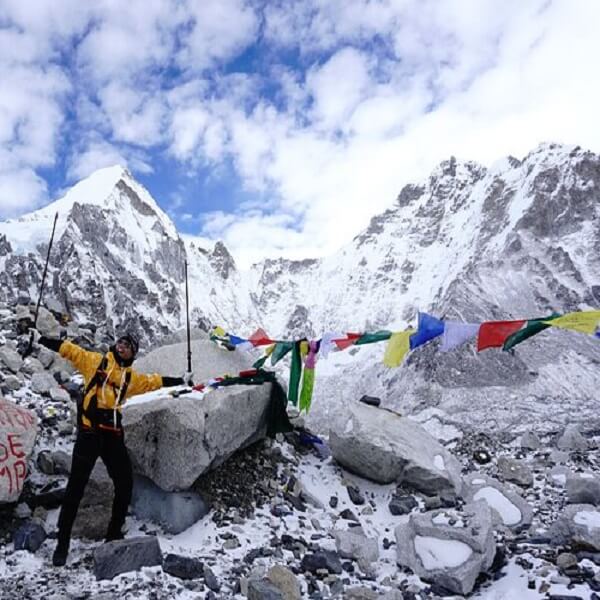
As you continue, the trail climbs toward Lamjura Pass, one of the highest points before joining the main Everest route. This section can be physically demanding, with steep ascents and dense forests of rhododendron and pine. In spring, these forests bloom with color, adding an unexpected vibrancy to the journey. Reaching the top of Lamjura Pass feels like a milestone. Prayer flags flutter in the wind, and on clear days, you begin to catch glimpses of higher peaks, hinting at what lies ahead.
Descending from Lamjura, the trail leads toward the Dudh Koshi valley and eventually connects with the classic Everest Base Camp route near Namche Bazaar. By the time you arrive in Namche, the contrast is noticeable. The quiet solitude of Solu gives way to a bustling hub filled with trekkers, shops, bakeries, and lodges. It feels almost like stepping into a different world. Namche is also a key acclimatization stop, where trekkers spend an extra day hiking to nearby viewpoints like Everest View Hotel or Khumjung village.
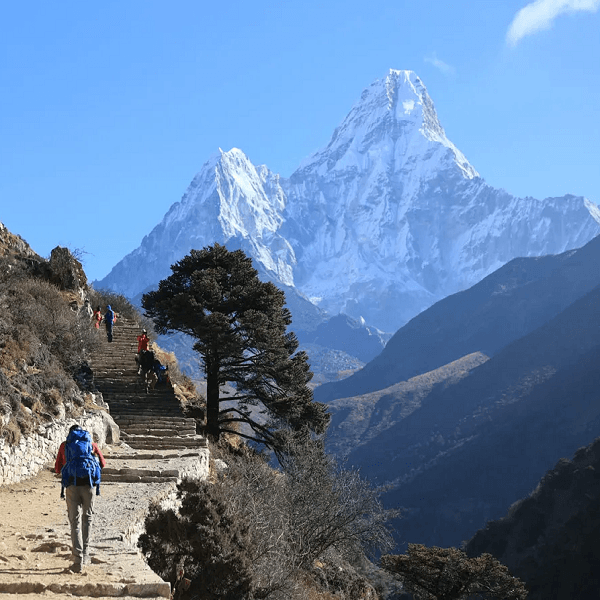
Beyond Namche, the landscape begins to change more dramatically. Trees thin out, and the terrain becomes more rugged and alpine. The trail passes through Tengboche, home to a famous monastery set against a backdrop of Ama Dablam, one of the most striking peaks in the region. The monastery is an important spiritual center, and attending a prayer ceremony here adds a meaningful dimension to the trek.
From Tengboche, the route descends and then climbs steadily through villages like Dingboche and Lobuche. Each step takes you higher into thinner air, where acclimatization becomes critical. The pace slows, and the focus shifts more toward managing energy and staying healthy. Side hikes to places like Nagarjun Hill or Chhukung Valley help with acclimatization while offering incredible views of peaks like Lhotse, Makalu, and Island Peak.
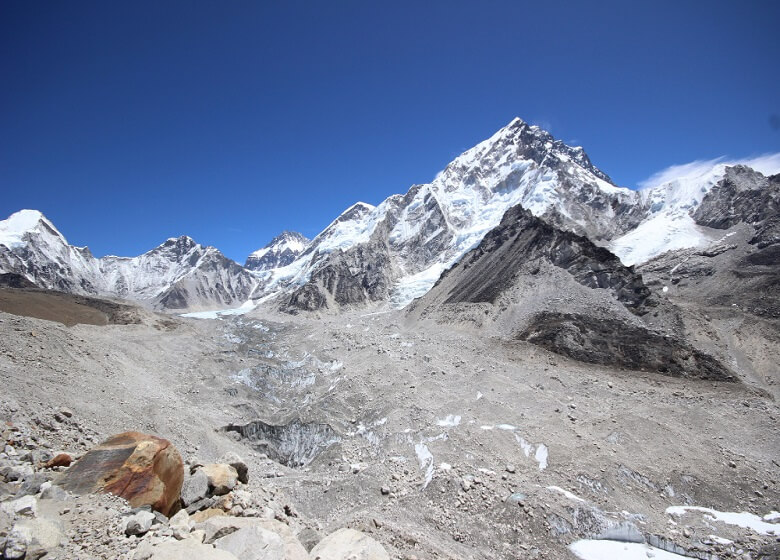
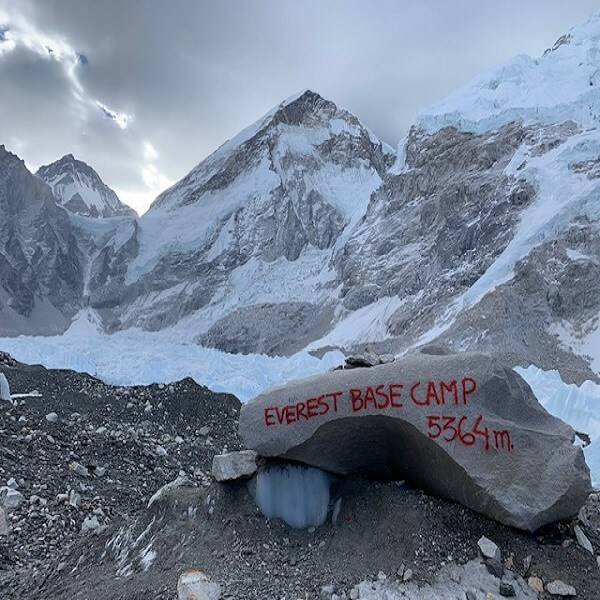
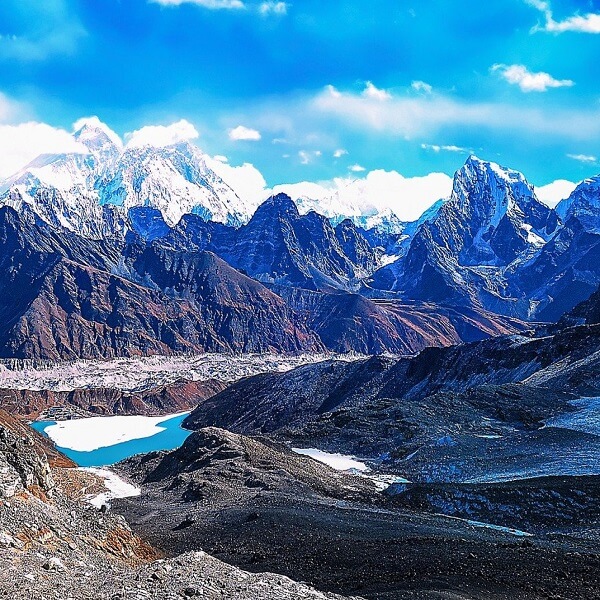
Reaching Gorak Shep, the last settlement before Everest Base Camp, feels both exciting and surreal. The landscape here is stark and dramatic, dominated by rock, ice, and glacier. From Gorak Shep, trekkers usually make two key excursions: a hike to Kala Patthar for sunrise or sunset views of Mount Everest, and the walk to Everest Base Camp itself. While Base Camp does not offer a direct view of Everest’s summit, standing there among the Khumbu Icefall and the tents of climbing expeditions is a powerful experience.
Kala Patthar, however, is where the visual reward truly comes together. Watching the first light hit the summit of Everest, along with Nuptse and Pumori, is often described as the highlight of the entire trek. It is a moment that captures the scale and beauty of the Himalayas in a way that feels both humbling and unforgettable.
The return journey typically follows the same route back to Lukla for a flight to Kathmandu, though some trekkers choose to retrace their steps back toward Phaplu for a more complete loop. Descending brings a different perspective, as the body adjusts to lower altitudes and the pressure eases. Villages that felt distant on the way up now feel familiar, and there is more time to reflect on the journey.
One of the defining features of the Phaplu to Everest Base Camp trek is its gradual acclimatization profile. Starting at a lower altitude reduces the risk of altitude sickness and allows for a more natural progression. It also spreads the experience across a wider range of environments, from subtropical hills to high alpine terrain. This makes the trek not just physically manageable but also more diverse and engaging.
Culturally, the route offers a richer experience than the standard approach. The Solu region is less influenced by tourism, and interactions with locals tend to feel more genuine. You see farming practices, local schools, and daily routines that are less visible on the busier sections of the trail. As you move into the Khumbu region, the influence of Tibetan Buddhism becomes more prominent, visible in monasteries, mani walls, and prayer flags that line the paths.
In terms of difficulty, the trek is considered challenging but achievable for those with a reasonable level of fitness and preparation. The longer distance compared to the Lukla route adds to the physical demand, but it also allows for better acclimatization and a more rewarding journey overall. Proper pacing, hydration, and attention to altitude are essential throughout.
Ultimately, the Phaplu to Everest Base Camp trek is about more than reaching a famous destination. It is about the transition from quiet villages to towering peaks, from green hills to glacial landscapes, and from everyday life to something that feels almost otherworldly. It offers a sense of progression that is often missing from shorter routes, making the arrival at Everest Base Camp feel not just like an achievement, but a culmination of everything experienced along the way.
Trip Highlights
- A quieter, more authentic start from Phaplu
- Exploring the Solu region
- Junbesi village and Thupten Chholing Monastery
- Crossing Lamjura Pass
- Gradual acclimatization advantage
- Namche Bazaar experience
- Tengboche Monastery with Ama Dablam backdrop
- High-altitude landscapes beyond Dingboche
- Kala Patthar viewpoint
- Reaching Everest Base Camp


