

Trip Info
-
Bus, Airline
-
3 Star hotel
-
Kathmandu
-
Feb-May
-
Eco-tour
-
All meal during trek
-
English, Spanish, Chinese
-
Easy to moderate
-
2-15
-
15
-
65
The Api Base Camp Trek is one of Nepal’s most remote and spectacular high-altitude trekking experiences. Located in the far western region of Nepal, in the Karnali Zone, this trek takes adventurers through isolated valleys, pristine forests, and rugged alpine terrain, culminating at the base of the dramatic Api Mountain, a peak rising to 7,132 meters. Unlike the more frequented trekking routes in Nepal, such as Everest or Annapurna, the Api Base Camp Trek offers a sense of solitude and adventure, drawing trekkers who seek off-the-beaten-path exploration and raw natural beauty.
The journey typically begins in Dhangadhi or Nepalgunj, from where travelers fly to Darchula or drive to the trek’s trailhead. This region is accessible only by small aircraft or long road journeys, which adds to the sense of remoteness and adventure. The trek passes through the Api Nampa Conservation Area, a protected region that preserves the unique flora and fauna of western Nepal. This area is home to snow leopards, Himalayan tahr, musk deer, red pandas, and a variety of rare birds, making it a paradise for wildlife enthusiasts and nature photographers.
From the trailhead, the trek begins with gentle ascents through subtropical forests, terraced farmland, and small rural villages. Trekkers immediately encounter a landscape that is largely untouched by mass tourism. The villages are inhabited by Chhetri, Thakuri, and Dalit communities, and later, as the trek ascends, by Rai and other highland ethnic groups. The local communities are warm and welcoming, offering simple accommodations and meals. Staying in these villages provides trekkers with a rare opportunity to experience traditional western Nepalese culture, including their food, festivals, and local customs, far from the commercialized trekking hubs in central Nepal.
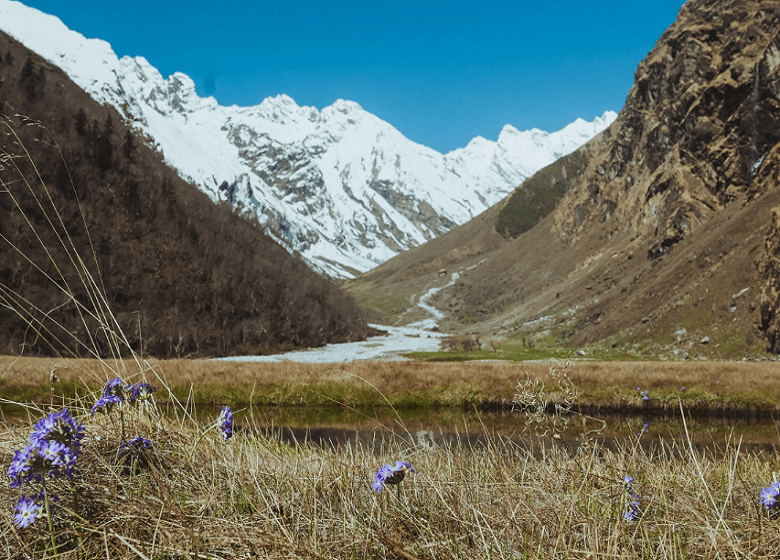
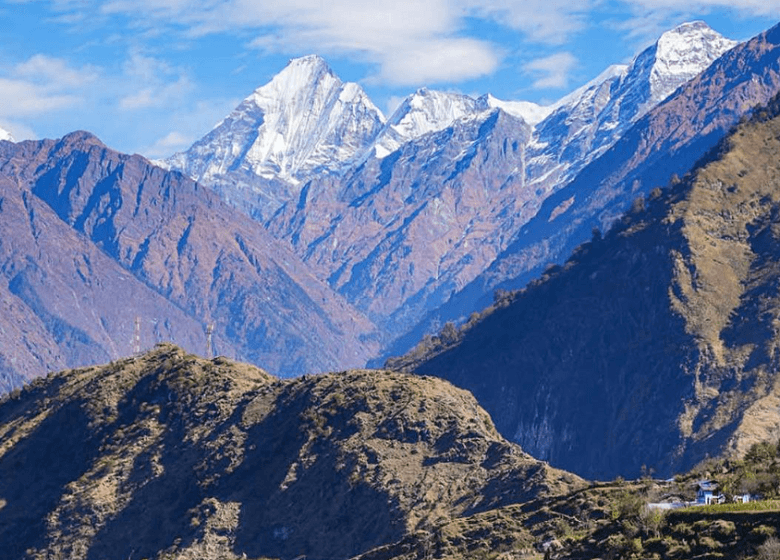
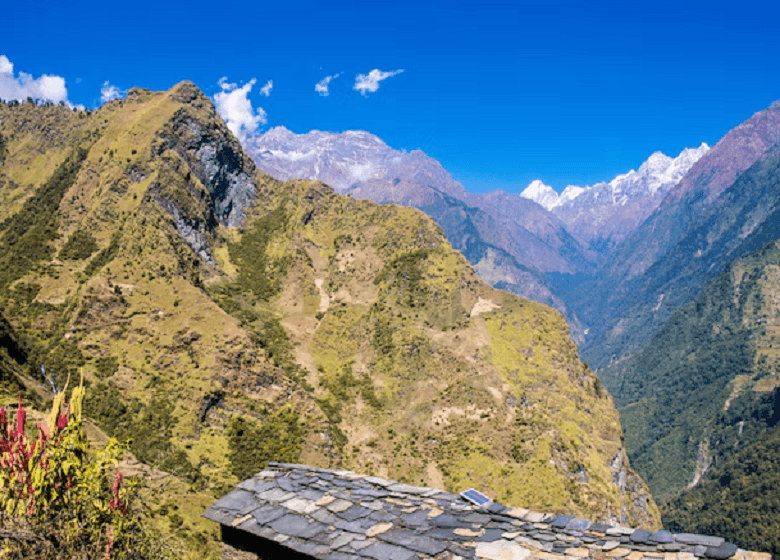
The trek steadily climbs through dense rhododendron and pine forests, crossing streams and small suspension bridges, and gradually enters more rugged alpine terrain. Midway along the trek, trekkers encounter higher passes and glacial streams, along with breathtaking views of the Api, Nampa, and Saipal ranges. These peaks, rising dramatically from the surrounding valleys, dominate the skyline and provide spectacular photography opportunities. The remoteness of the region means that trekkers can often enjoy these views in solitude, without the crowds found in more popular trekking areas.
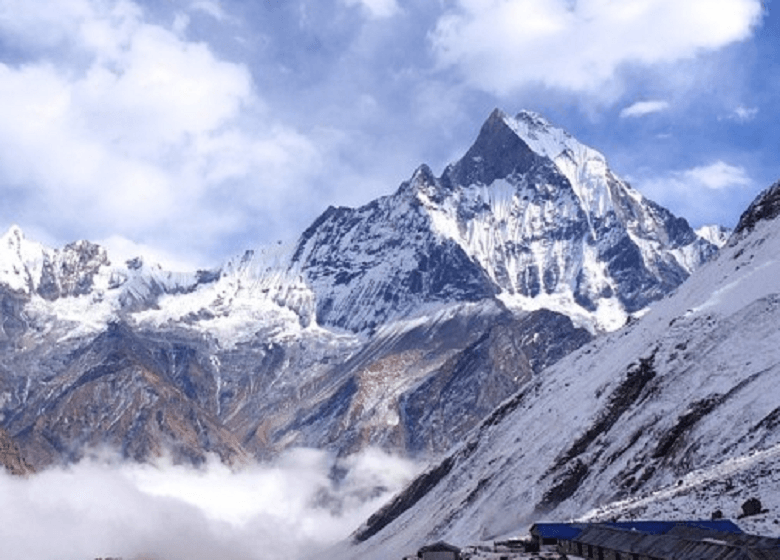
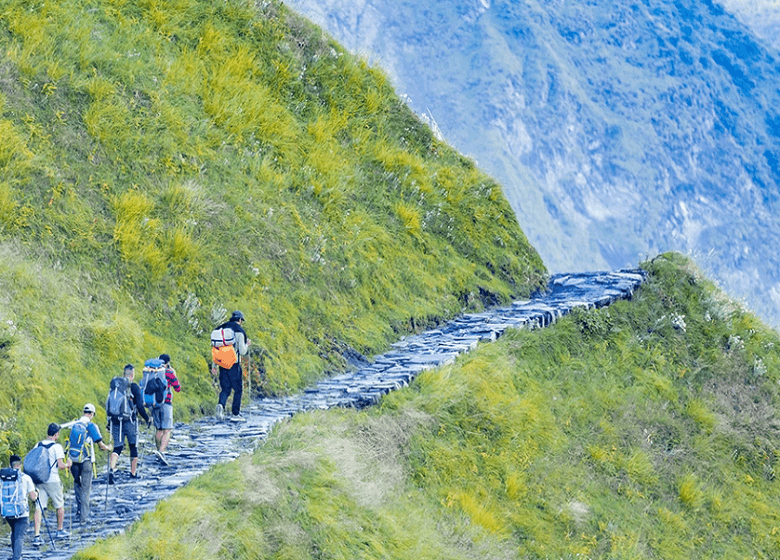
Acclimatization is critical on this trek, as daily elevations can reach above 4,000 meters. Unlike commercial trekking routes, facilities are limited, so careful planning is essential. Tea houses along the route provide basic shelter, hot meals, and rest, but trekkers must be prepared for simplicity. The journey to Api Base Camp involves navigating rocky paths, steep ridges, and sometimes snow-covered trails. Reaching the base camp at around 4,130 meters is an immensely rewarding experience, offering a close-up view of Api’s striking north face and the surrounding glaciers. The base camp serves as a vantage point to appreciate the scale and grandeur of the Api Himal, one of the most dramatic peaks in the region.
From the base camp, trekkers can enjoy panoramic views of neighboring peaks such as Nampa, Jethi, and Bobaye, all of which contribute to the rugged skyline of western Nepal. The area’s isolation means that wildlife sightings are common, and trekkers may observe blue sheep, Himalayan monals, and, with luck, even snow leopards in the higher alpine zones. The contrast between lush lower valleys and stark, glaciated highlands emphasizes the dramatic diversity of Nepal’s western Himalayas.
Descending from the base camp is as rewarding as the ascent, offering new perspectives on the valleys, rivers, and communities encountered along the trail. Trekkers often retrace parts of the route while discovering small side valleys, waterfalls, and viewpoints that were missed on the ascent. The journey back also provides opportunities for cultural exchanges with local villagers, who are generally hospitable and proud to share their traditions with visitors. These interactions highlight the cultural richness of the far-western Himalayan region, which is markedly different from central and eastern Nepal.
The Api Base Camp Trek is suitable for adventurous trekkers with moderate to high fitness levels and some prior high-altitude experience. It is considered moderately to highly challenging due to its remote location, limited facilities, and significant altitude gain. Despite the challenges, the trek is highly rewarding for those seeking solitude, adventure, and the opportunity to witness some of Nepal’s most dramatic mountains up close. The remoteness and low traffic of the trail mean that trekkers often have the mountains to themselves, creating an immersive wilderness experience that is hard to match elsewhere in Nepal.
The trek is also ideal for photographers and naturalists. The Api Himal is particularly striking at sunrise and sunset, when its jagged peaks glow with alpine light. The trail passes through diverse ecosystems, from subtropical forests to alpine meadows and glacial moraines. Rare flowers, medicinal herbs, and endemic plants are abundant along the trail, providing additional points of interest for botanists and nature lovers. The crisp, clean air and the vast, uninterrupted landscapes make this trek a photographer’s dream, capturing both the scale and intimacy of the Himalayas.
From a logistical perspective, the trek requires careful preparation. The best months for trekking are pre-monsoon (March to May) and post-monsoon (September to November), when skies are generally clear, temperatures are manageable, and the risk of heavy snowfall is lower. Proper gear for cold weather, potential snow, and long days of trekking is essential. Hiring a local guide and porter is highly recommended, both for safety and to enhance the experience with local knowledge of terrain, culture, and wildlife. Trekking permits, including those for the Api Nampa Conservation Area, are also required and are typically arranged in advance through trekking agencies.
One of the most striking aspects of the Api Base Camp Trek is the feeling of remoteness and exploration. Unlike popular trekking routes, the trail sees very few visitors, allowing trekkers to experience the mountains without the presence of large groups. The combination of high peaks, glaciers, alpine meadows, and traditional villages creates a unique experience that combines adventure, culture, and natural beauty. The trek’s isolation also fosters self-reliance and resilience, as trekkers navigate trails that are often rugged and minimally marked.
Trip Highlights
- Trek through the remote and pristine Api Nampa Conservation Area
- Reach the base camp of Api Mountain (7,132 m) for breathtaking close-up views
- Experience solitude and off-the-beaten-path trekking away from crowds
- Stunning panoramas of Api, Nampa, Bobaye, and Jethi peaks
- Explore traditional villages of Chhetri, Thakuri, Dalit, and highland ethnic communities
- Pass through diverse landscapes from subtropical forests to alpine meadows and glacial moraines
- Spot rare Himalayan wildlife, including snow leopards, red pandas, musk deer, and Himalayan monals
- Photograph dramatic sunrise and sunset over jagged high peaks
- Interact with local communities and experience western Nepalese culture and traditions
- Navigate challenging high-altitude trails for a rewarding adventure and sense of accomplishment


